
Your guacamole can definitely go bad, and you'll want to watch for key signs of spoilage. Fresh guacamole typically lasts 1-3 days when homemade and 3-5 days for store-bought versions when refrigerated properly. Look for obvious warning signs like brown or black discoloration, fuzzy mold, a sour smell, or slimy texture. To maximize freshness, store your guac in an airtight container at 35-40°F, smooth the surface, and consider adding a thin layer of water or lime juice on top to prevent oxidation. Proper storage techniques and knowing the warning signs will help you enjoy your guacamole safely and avoid food waste.
TLDR
- Yes, guacamole goes bad within 1-3 days for homemade and 3-5 days for store-bought when refrigerated properly.
- Brown or black discoloration indicates oxidation and spoilage, while bright green color suggests freshness.
- Fuzzy mold growth on the surface is a clear sign of spoilage and means the guacamole should be discarded.
- A sour or rancid smell, rather than fresh avocado scent, indicates the guacamole has gone bad.
- Slimy texture and excessive liquid separation are warning signs that the guacamole is no longer safe to eat.
Understanding Guacamole Shelf Life
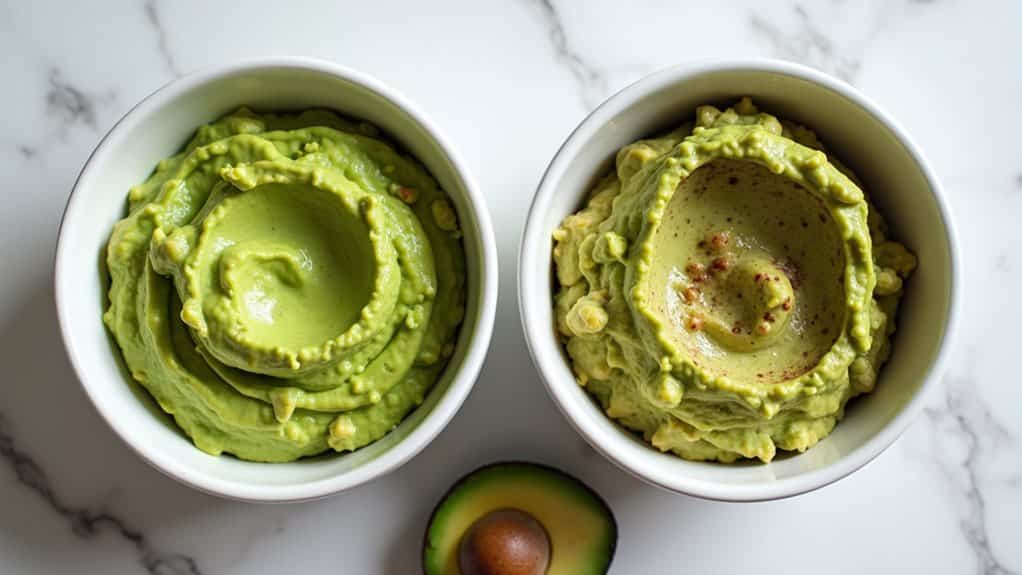
Understanding how long guacamole lasts can help you prevent food waste and maintain food safety in your kitchen.
Your homemade guacamole will typically last 1-3 days in the refrigerator, while store-bought versions can stay fresh for 3-5 days after opening. High-quality fresh ingredients like those used at Guac Shop help maximize shelf life. Additionally, proper storage practices can significantly extend the usability of your guacamole.
The shelf life largely depends on your ingredients, storage methods, and how you handle the dip during preparation.
Common Signs of Spoiled Guacamole
Knowing when your guacamole has gone bad can protect you from foodborne illness and guarantee you're enjoying this popular dip at its best.
Look for changes in color from bright green to brown or black, and watch for any fuzzy mold growth. It's important to remember that sour cream should not sit out for extended periods, as this can increase the risk of spoilage.
If you notice a sour or rancid smell, slimy texture, or excessive liquid separation, it's time to toss it out.
Fresh, safe guacamole needs to be stored at 35-40°F in the refrigerator to prevent bacterial growth.
Proper Storage Methods
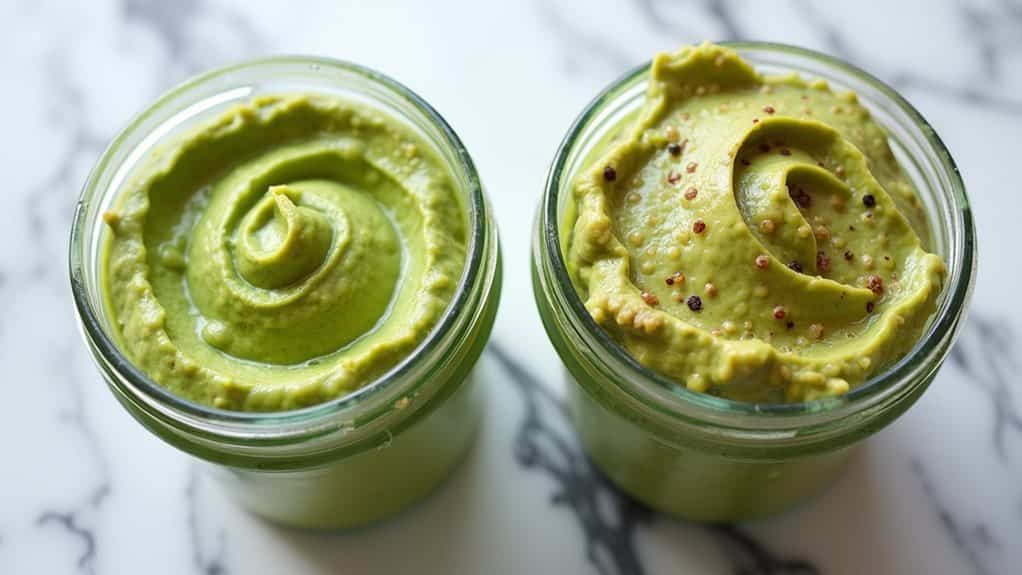
The proper storage of guacamole can dramatically extend its shelf life and maintain its fresh, lively flavor.
You'll want to store it in an airtight glass container or silicone bag, smoothing the surface to remove air pockets. To further enhance freshness, keep it in a cool, dry place to avoid temperature fluctuations.
Create a protective barrier by adding a thin layer of water, lime juice, or salsa on top. This method prevents oxidation from exposure to air, similar to how browning occurs in apples.
Keep it refrigerated immediately after preparation, and it'll stay fresh for up to three days.
Extending Your Guacamole's Freshness
With a few smart preservation techniques, you can keep your guacamole fresh and lively for several days.
Create an airtight barrier by adding a thin layer of water or citrus juice on top, and always press plastic wrap directly onto the surface. Additionally, storing guacamole in an airtight container can help prevent oxidation and maintain its vibrant color.
You'll also want to store it in a sealed container at 35-40°F, patting down the surface to eliminate air pockets before sealing. This method can keep your guacamole fresh for days when properly maintained.
Freezing Tips and Techniques
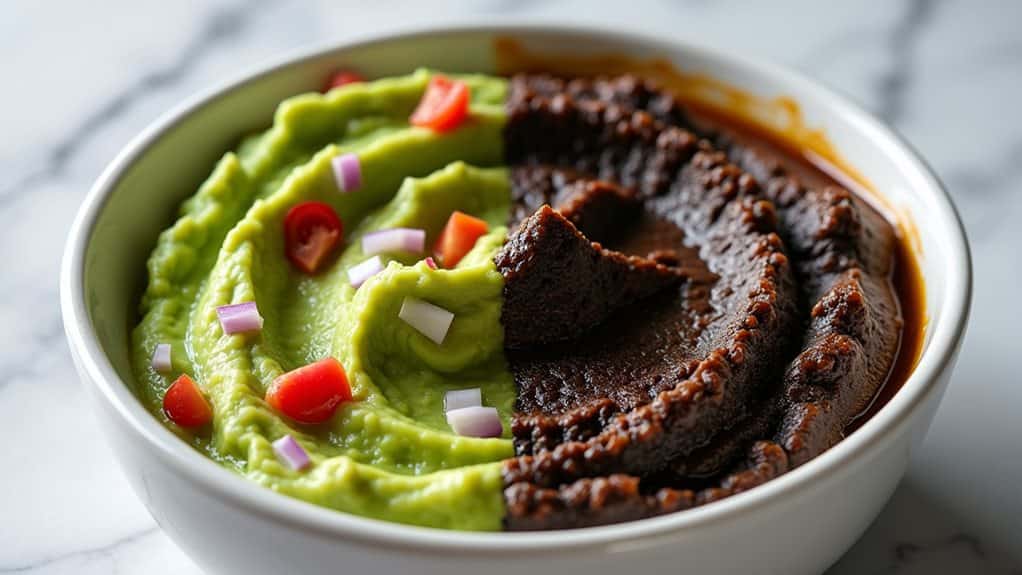
Freezing guacamole can extend its shelf life up to three months when you follow proper techniques. Start by mashing ripe avocados and adding lime juice to prevent browning. Store your guacamole base in airtight containers or freezer bags, removing as much air as possible. Proper storage at 40°F (4°C) is essential for maintaining quality. For best results, avoid adding watery ingredients like tomatoes and onions before freezing, and add them after thawing instead. When ready to use, thaw overnight in the refrigerator for optimal quality and texture.
Food Safety Guidelines
Maintaining proper food safety practices is essential when preparing and storing guacamole to prevent foodborne illness.
You'll need to refrigerate your guacamole within two hours of making it, or within one hour if it's above 90°F. Keep it below 40°F and always use clean utensils when serving.
Don't forget to store it in an airtight container or cover it with plastic wrap to prevent contamination.
Store-Bought Vs Homemade Longevity
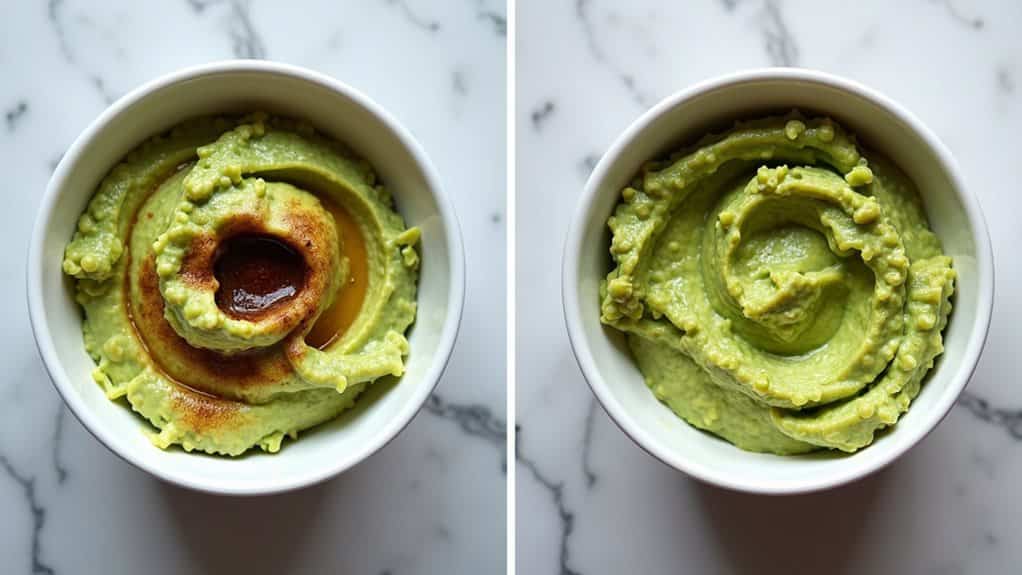
Ever wondered why store-bought guacamole seems to last longer than homemade?
Commercial versions contain preservatives and undergo special packaging processes, letting them stay fresh for up to a week past their expiration date when unopened.
Your homemade guac, however, will only last 1-3 days in the fridge.
Both varieties can be frozen for up to three months, though you'll notice slight texture changes after thawing.
And Finally
When it comes to guacamole safety and storage, you'll want to trust your senses and follow proper food handling guidelines. Remember to store your dip in an airtight container, keep it refrigerated, and consume it within 1-2 days for the best quality. If you're making larger batches, freezing is a viable option. By following these storage tips and staying alert to signs of spoilage, you'll enjoy fresh, safe guacamole every time.


