
When you taste pork, you'll notice a delicious, savory, and juicy flavor that comes from the type of pig, what it eats, and how it's stored. Some pigs like Berkshires have a stronger taste. The flavor is made better by umami, which adds a rich meaty taste. Cooking pork slowly makes it tender, and the right amount of fat gives it a tasty flavor. Keep exploring pork, and you'll find more ways to bring out its full flavor.
TLDR
- Pork tastes rich, savory, and juicy. The flavor can be different depending on the type of pig, what it eats, and how it's stored.
- The meaty taste of pork comes from umami and the Maillard reaction, while glutamate boosts the savory and meaty flavors.
- The fat in pork affects how it tastes and feels in your mouth. More marbled fat makes it tender and flavorful.
- Cooking pork slowly makes it soft, while searing it in a hot pan gives it a crispy outside and juicy inside.
- Pork has a mild flavor that goes well with many seasonings, making it great for all sorts of dishes.
Types of Pork Cuts Explained

When you're picking pork, you'll come across two main cuts: pork butt and pork shoulder. They have different qualities that suit specific cooking styles and flavors. Pork butt, from the top of the pig's shoulder, is great for slow cooking to make tender pulled pork because it has lots of connective tissue and fat. This fat enhances the meaty taste while cooking. On the other hand, pork shoulder usually has the skin on, making it perfect for recipes that need crispy pork skin. Knowing the distinctions between these cuts will help you pick the right one for your dish and ensure a tasty meal.
Pork's Unique Flavor Profile
What does pork taste like? Pork has a rich and savory flavor. It's juicy and firm when you bite into it. The taste can change based on the type of pig, what it ate, and how it was stored. Different cuts and cooking methods can also affect the flavor. Some breeds, like Berkshires, have a stronger pork flavor, especially in fatty cuts like bacon. Sometimes, male pigs that haven't been castrated can have a bad smell, called boar taint. Try different types of pork to see what you like best. Pork has a unique and delicious taste that's worth exploring in your cooking.
The Role of Fat in Pork
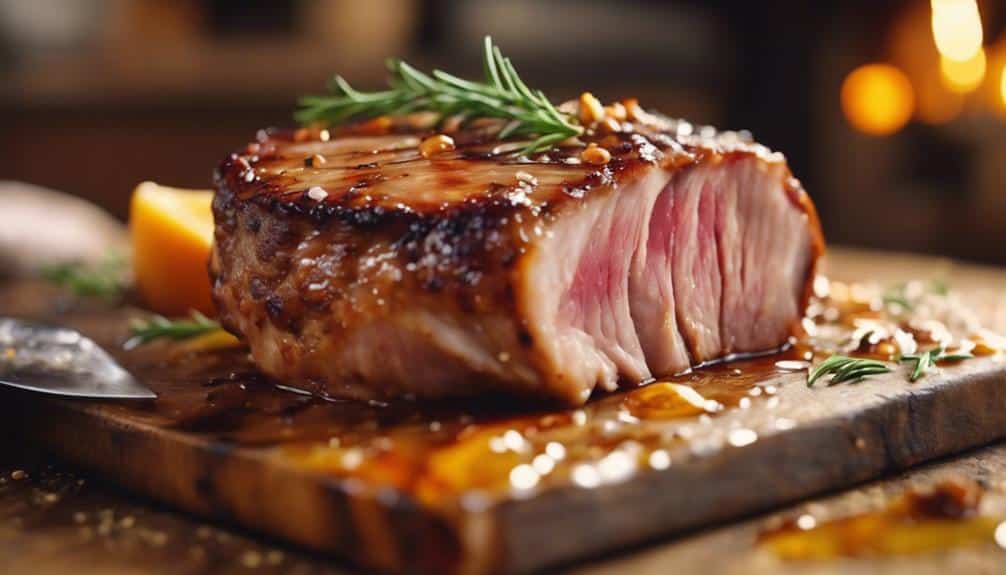
When you taste pork, you'll notice that the fat in it makes it juicier and tastier than lean meats. The fat marbled in pork cuts makes them tender and delicious, improving the overall flavor. Different pork cuts have varying amounts of fat, which affects how they taste and feel when you eat them. Cooking pork in ways that spread the fat evenly can make it taste better and feel nicer in your mouth. The fat in pork also helps carry and boost the flavors of the seasonings and marinades you use. Understanding how fat works in pork can help you enjoy all the different flavors it has to offer.
Umami Flavor in Pork Explained
When you taste pork, you'll notice it has a rich, savory flavor that's hard to miss. This delicious taste, called umami, is a big reason why pork is so tasty. Let's dive into the layers of flavor hidden inside pork's umami taste.
Savory Meaty Flavors Uncovered
When you bite into a juicy pork chop or bacon, the yummy meaty taste you enjoy comes from umami and the Maillard reaction when cooking. Pork's high protein and fat give it that rich flavor. Pulled pork is packed with umami, making it really satisfying. Cooking with the Maillard reaction boosts that flavor, making it even better. Try different pork dishes to see how the taste changes with different cooking styles and seasonings. Pork is a great ingredient for all kinds of cooking.
Rich Umami Taste Profile
When you eat pork, you taste a mix of savory, meaty, and slightly sweet flavors that make your taste buds happy. This special taste comes from amino acids and nucleotides found in pork, giving it a delicious umami flavor. Cooking pork slowly makes the taste even richer as the juices and fats blend together. Pork's umami taste goes well with sweet and tangy sauces, herbs, and spices. The flavors work together to create a yummy experience that will make you want more.
Depth of Flavor Explained
One big reason why pork tastes so good is because it has a lot of something called glutamate, which makes it extra savory and delicious. This special taste, known as umami, gives pork a rich and meaty flavor that gets stronger when you cook it. That's why pork is a popular choice for all kinds of recipes. Its umami taste goes well with sweet, salty, and tangy ingredients, making it a favorite in many different cuisines around the world. As you try out different pork dishes, you'll see how its unique flavor enhances your dining experience.
Cooking Methods for Tender Pork

Cooking pork slowly with a dry rub or marinade makes it super tender. For juicy pork, try braising or stewing it. Cook pork shoulder slowly over low heat or use a slow cooker for the best results. Make sure to check the meat's temperature with a thermometer to ensure it's safe to eat. You can also roast pork in the oven or grill it for a tasty, tender dish. With the right cooking methods, you'll have delicious, fall-apart pork ready in no time.
Crispy Bacon Vs. Juicy Pork
When it comes to pork, you have two delicious options: crispy bacon and juicy pork. You don't have to pick just one! Crispy bacon is salty, smoky, and crunchy, perfect for adding flavor to dishes. Juicy pork, like pork chops or tenderloin, is mild, slightly sweet, and moist when cooked right. Both are yummy in their own way, giving you a taste of real meat that's hard to resist. Treat yourself to the rich flavors of pork – your taste buds will be happy!
Pork's Versatility in Dishes

You can try pork in many different dishes, like spicy Korean BBQ or a cozy stew. Pork has a mild taste that works well with all kinds of seasonings, so you can get creative with your cooking. Whether you like tender meat or crispy bites, pork has cuts to suit your taste. Special pork breeds, such as Berkshire and Tamworth, bring unique flavors to dishes like tacos, curries, and roasts. Pork can soak up flavors and go great with sweet and savory ingredients, adding richness to any meal.
What Is Pork Butt and Why
When it comes to pork, the quality of the meat makes a big difference in how your dish turns out. Pork butt is a cut of meat where how it's trimmed and the fat content can really affect how tender and tasty it is. Let's see how the amount of fat in pork butt can change its flavor and texture.
Meat Quality Matters
Many pork fans think pork butt, also called Boston butt, is the best. It's got lots of fat, which makes it super tasty, especially when cooked slowly. When you cook it, the rich flavor gets even better, perfect for pulled pork dishes. People often use pork butt to make yummy sausage too, a favorite in many kitchens. Pork butt is special because it has a long history, especially in Southern cooking. It was important in the pork business in the 18th century, and now it's loved for its great taste and how you can use it in many ways.
Cutting and Trimming
Before cooking pork butt, it's important to cut and trim it right. Get rid of extra fat and tough bits so the meat cooks evenly and soaks up flavors nicely. Trimming helps soften the meat, making it tastier in your dish. This way, your final pork will be tender and juicy. The key is to expose the meat to heat and seasonings for the best taste. By taking care to cut and trim properly, you'll get a flavorful pork dish that will surely impress.
Fat Content Impact
When you buy a pork butt, you're getting a cut of meat known for its high fat content, which gives it a rich, flavorful taste. The fat in pork butt makes it juicy and tender because it melts when cooking, enhancing the meat's natural taste. This is especially true when using slow cooking methods like barbecuing or braising, which help break down the fat and bring out the meat's juices. Pork butt is often used for making pulled pork dishes, and its high fat content makes it great for dry rub recipes. Among pork cuts, pork butt is favored for its delicious flavor and marbled fat, making it a top choice for chefs and home cooks.
Pork Shoulder Vs. Pork Butt

You might be wondering how pork shoulder and pork butt are different, even though they both come from the same part of a pig. Pork butt, also called Boston butt, comes from the upper part of the shoulder and includes parts of the neck, shoulder blade, and arm. It's higher up on the leg, which makes it great for stewing and braising because it has more fat. Pork shoulder usually has the skin on, so it's perfect for recipes that need crispy pork skin. While both cuts can be hard to find in some places, they're worth it for the special flavors and textures they offer.
Rich Flavor of Slow-Cooked Pork
When you take a bite of slow-cooked pork, the delicious taste comes from the high fat content in cuts like pork butt. Long ago, people found that cooking tough meat slowly made it tender and tasty. Today, we enjoy the benefits of their cooking experiments. When you cook pork slowly, the fat melts and makes the meat juicy and flavorful. The pork flavor gets stronger, creating a dish that's tender and full of taste. Add some sweet and tangy barbecue sauce, and the flavor gets even better.
Pork's Texture and Mouthfeel

Pork can feel different in your mouth depending on how you cook it. Pork chops can be tender and juicy or lean and firm, depending on how you cook them. When you cook a pork chop in a hot pan, you get a nice crispy outside and a juicy inside. The fat in pork adds a rich and smooth feeling when you eat it. Slow-cooked pork is really soft, while grilled pork chops have a satisfying chew. Ground pork is a bit grainy, great for making meatballs or sausages. Whether you're making a pork tenderloin or pork tacos, you'll enjoy the different textures and mouthfeels of pork.
Cultural Significance of Pork
In many cultures worldwide, a roasted pig or pork dish is often the star of special occasions, symbolizing plenty and good luck. Pork is a common ingredient in many types of cuisine, like Chinese, European, and American dishes. When you go to the store, you'll see a variety of pork products that show how important it is in different cultures. Pork can be cooked in many ways and used in different dishes, showing how well it fits into various cooking traditions. Some cultures have rules about when and how pork can be eaten because it's connected to their religious beliefs. By understanding the cultural importance of pork, we can learn about the traditions, values, and food heritage of different societies.
Conclusion
When you try different pork dishes, keep in mind that the taste changes depending on the cut, fat, and how it's cooked. From the rich taste of slow-cooked pork to the juicy bite of a grilled chop, each mouthful is a treat for your senses. By learning more about pork, you can bring out its full flavor and enjoy every delicious bite.

