
While soy sauce doesn't technically spoil due to its high salt content, it can lose quality over time. Your unopened bottle will last indefinitely in the pantry, while opened soy sauce stays fresh for about six months at room temperature or up to three years when refrigerated. To maintain freshness, store your soy sauce in a cool, dark place, always replace the inner cap after use, and keep it away from direct sunlight. Watch for signs of spoilage like off-putting smells, color changes, or floating particles. Understanding proper storage techniques and different varieties can help you maximize your soy sauce's lifespan and flavor profile.
Quick Guide
- Unopened soy sauce lasts indefinitely, while opened bottles remain fresh for six months at room temperature or three years when refrigerated.
- Store soy sauce in cool, dark places and always replace the inner plastic cap after use to maintain freshness.
- Look for signs of spoilage like off-putting smells, color changes, floating particles, or unusual tastes.
- Proper storage techniques include keeping bottles upright, using clean utensils, and avoiding contamination with other ingredients.
- While soy sauce rarely spoils due to high salt content, refrigeration is recommended for optimal flavor preservation.
Understanding Soy Sauce Shelf Life
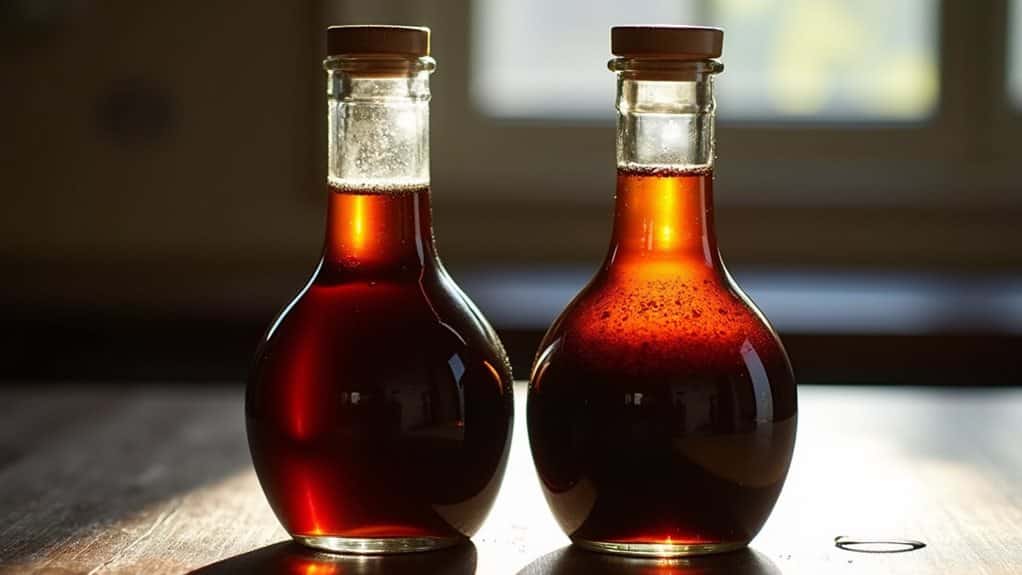
When you're storing soy sauce, it's important to understand how long it'll stay fresh and what factors affect its shelf life.
While unopened bottles can last indefinitely, opened soy sauce maintains peak flavor for about six months in the refrigerator and up to three years when properly stored. Proper storage techniques are essential to extend its freshness and quality.
High salt content acts as a natural preservative, but exposure to air, heat, and humidity can speed up deterioration. For optimal flavor preservation, store soy sauce in cool, dark places away from direct sunlight.
Unopened Vs Opened Storage Times
Storage times for soy sauce vary considerably between unopened and opened bottles. Your unopened soy sauce can last indefinitely in the pantry, while an opened bottle stays fresh for about six months at room temperature. If you want to extend its quality, refrigeration is your best option, keeping it fresh for up to two to three years with proper sealing and storage. Remember to always replace the inner plastic cap after each use to maintain optimal freshness. Additionally, proper storage practices can help prevent spoilage and maintain the flavor profile of the sauce.
Signs Your Soy Sauce Spoiled
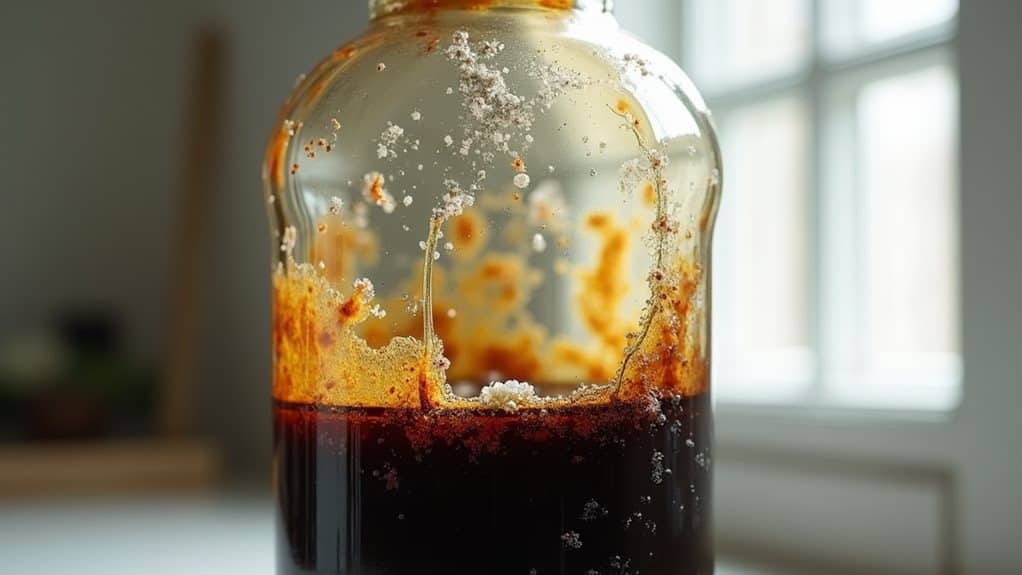
Keeping track of your soy sauce's freshness isn't difficult once you know what to look for.
Check for any off-putting smells, as fresh soy sauce should have a rich, savory aroma. Signs of spoilage include unusual odor or texture changes.
Watch out for color changes or cloudiness in the liquid, and be wary of floating particles or mold.
Properly stored soy sauce can stay fresh for up to six months when kept at room temperature. If you notice a strange taste, sour flavor, or weakened umami profile, it's time to replace your bottle.
Proper Storage Methods
To maximize your soy sauce's shelf life and flavor, you'll need to choose between room temperature storage and refrigeration.
While both options are safe due to soy sauce's high salt content, refrigeration helps preserve quality longer and prevents oxidation. Experts like Kikkoman recommend refrigeration to maintain optimal freshness. Additionally, like pepperoni, soy sauce can benefit from proper storage methods to avoid degradation over time.
For the best results, keep your soy sauce in a cool, dark place, replace the inner cap after use, and avoid adding other ingredients to the bottle.
Different Types and Longevity
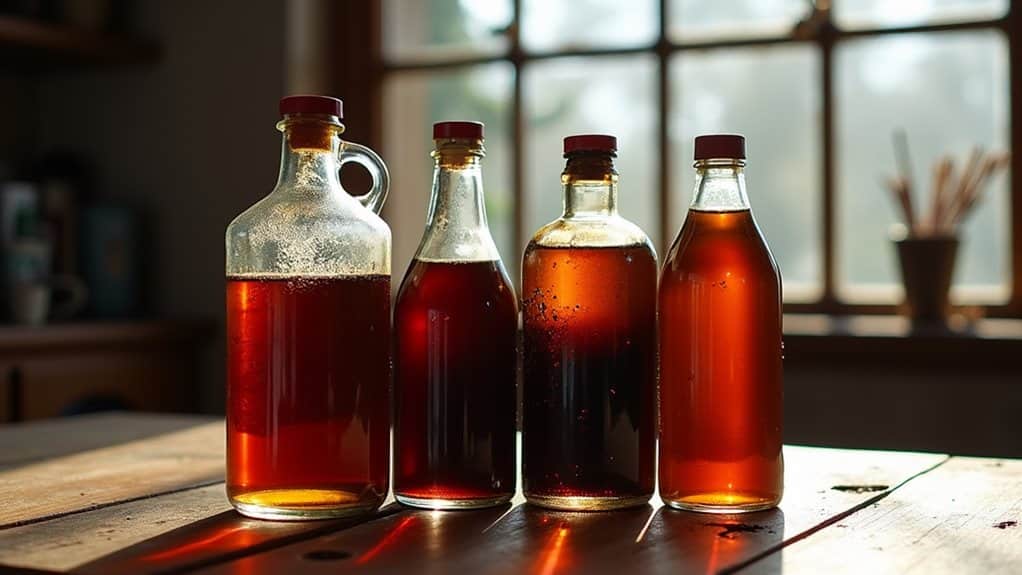
Soy sauce comes in several distinct varieties, each with its own shelf life and storage requirements.
Regular soy sauce keeps indefinitely when unopened and lasts 6 months at room temperature once opened. To maximize soy sauce shelf life, ensure you store it in a cool, dark place away from direct sunlight.
Japanese shoyu and tamari maintain peak flavor for about three months after opening, while Chinese-style varieties, especially dark soy sauce, can last longer due to their higher sugar content. Low-sodium options provide a healthier alternative for those watching their salt intake.
Extending Your Soy Sauce Lifespan
Maximize your soy sauce's shelf life by implementing proper storage techniques and monitoring its condition regularly.
Keep unopened bottles in a cool, dry pantry away from heat sources and sunlight for up to three years.
Once opened, you'll extend freshness by refrigerating the sauce and ensuring tight lid closure after each use.
Watch for signs of spoilage like floating particles or foul odors.
Common Storage Mistakes
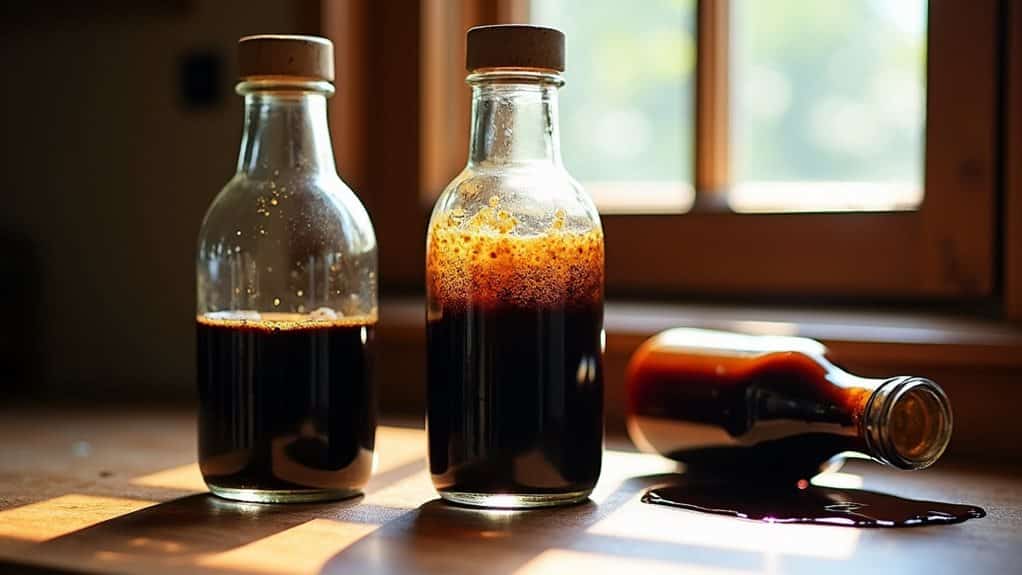
Many home cooks unknowingly compromise their soy sauce's quality through common storage mistakes.
You might be placing your bottle near a sunny window or next to the stove, where heat and light can degrade its flavor.
Leaving bottles unsealed, using contaminated utensils, or ignoring storage guidelines on the label can also reduce shelf life and affect taste.
Don't forget to check for proper sealing and signs of spoilage.
Temperature and Environment Effects
Understanding temperature's impact takes proper storage practices to the next level.
While you can keep unopened soy sauce indefinitely in your pantry, refrigeration extends opened bottles' peak quality from six months to two years.
High sodium content prevents spoilage at room temperature, but heat and light can affect flavor through oxidation, so you'll want to choose a cool, dry storage spot away from appliances.
Best Practices for Daily Use
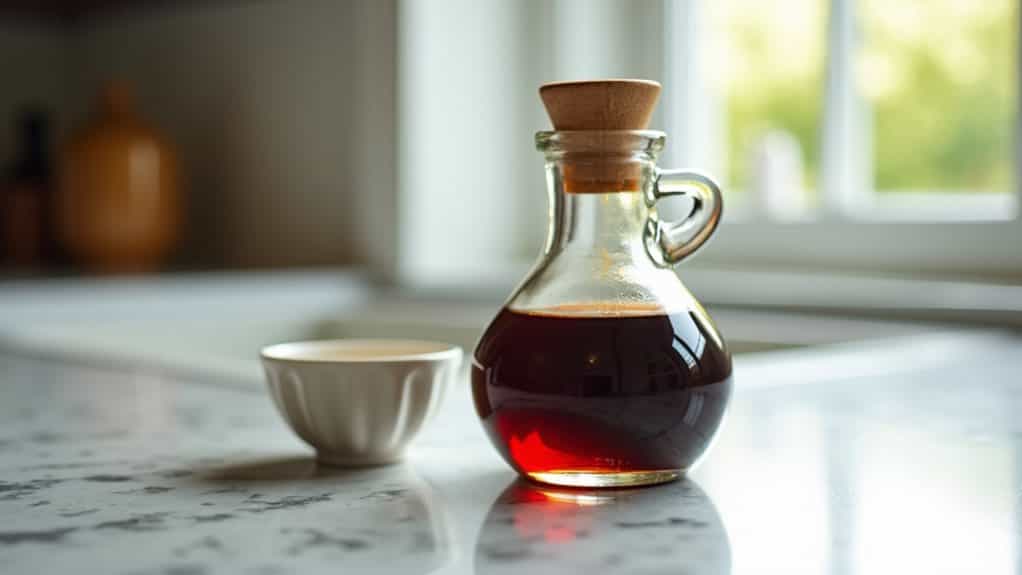
Proper daily handling of soy sauce guarantees you'll get the most out of every bottle.
Keep the inner plastic cap in place after each use, and store your bottle upright in the fridge.
When serving, use clean utensils to prevent contamination, and don't leave the bottle uncapped.
For the freshest taste, try to use your soy sauce within one month of opening.
Safety and Quality Guidelines
Maintaining your soy sauce's quality requires attention to key safety indicators and storage practices.
While soy sauce rarely spoils due to its high salt content, you'll want to watch for signs like mold, floating particles, or foul odors.
You can safely consume your soy sauce after its best-before date if it's properly stored, but remember that refrigeration will help preserve its peak flavor longer.
Wrapping Up
You'll find that proper soy sauce storage isn't complicated, but it's crucial for maintaining quality and safety. Keep your bottle sealed when not in use, store it in a cool, dark place, and always check for signs of spoilage before using. While soy sauce has a long shelf life due to its high salt content, following these storage guidelines will help guarantee your condiment stays fresh and flavorful for months to come.


