
Yes, horseradish does go bad, and you’ll know it’s spoiled if it feels soft, looks dark or slimy, or smells sour, musty, or like ammonia instead of sharp and spicy. Fresh roots last 1–2 months in the fridge when wrapped in a damp towel, while prepared versions keep 1–4 months refrigerated. Mold, browning, or a weak flavor also mean it’s time to toss it. Freezing helps preserve it, but texture changes after thawing. You’ll want to keep checking how yours looks and smells over time. There’s more to learn about keeping it fresh longer.
Quick Guide
- Yes, horseradish goes bad; fresh roots last 1–2 months refrigerated, while prepared versions last 1–4 months.
- Check for mold, dark spots, softness, or sliminess—these are clear signs of spoilage.
- Spoiled horseradish often has a sour, musty, or ammonia-like odor instead of a sharp, spicy smell.
- Homemade prepared horseradish lasts up to 3 months with vinegar; without it, only about 2 weeks.
- Freezing extends freshness up to six months, but thawed horseradish may become soft and mushy.
Understanding Fresh Horseradish Shelf Life
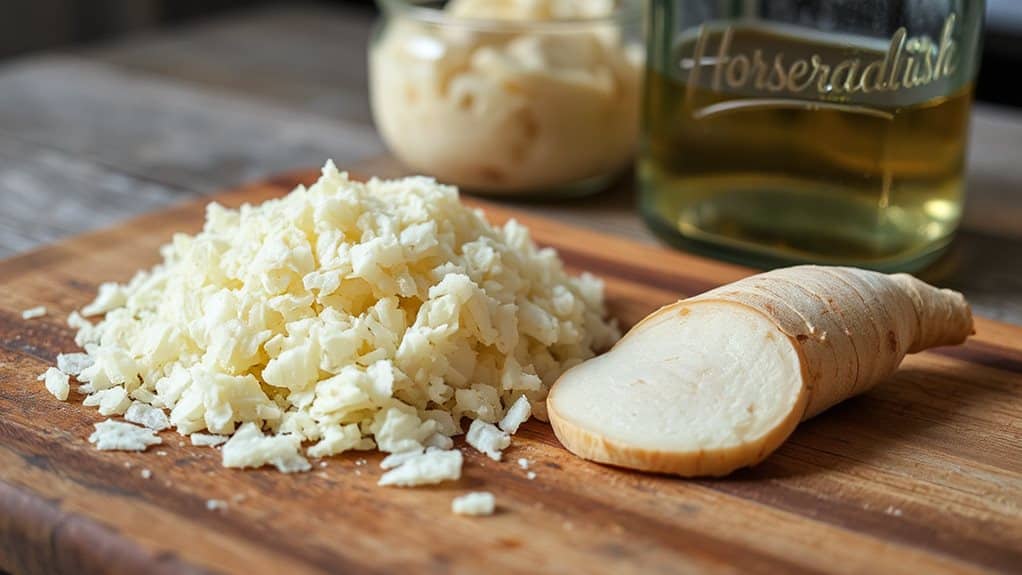
How long can that knobby root in your crisper drawer actually last?
Fresh horseradish stays good for 1–2 months if stored in a closed plastic bag.
Keep it cold, between 34–45°F, and wrap it in a damp paper towel to lock in freshness.
Once cut, use it quickly—flavor fades fast.
Don’t wait too long, or you’ll lose that bold kick.
If you freeze horseradish, avoid extreme temperature changes by chilling it first and sealing it well to help preserve quality.
It can also be frozen for long-term storage, maintaining quality for at least six months when sealed properly in a freezer-safe bag.
How Long Does Prepared Horseradish Last?
You’ll want to keep your prepared horseradish refrigerated after opening, since it typically lasts 1–4 months in the fridge depending on whether it’s store-bought or homemade.
Store-bought versions last longer thanks to preservatives, while your homemade batch should be used within 2 weeks for best quality. Store it in a cool place away from sunlight to minimize oxidation effects and keep its flavor and texture more stable.
If you notice darkening, off smells, or mold, it’s time to toss it.
Adding vinegar can significantly extend the shelf life of homemade horseradish, with some mixtures lasting up to 3 months when refrigerated in an airtight container (adding vinegar).
Freshly Prepared Shelf Life
Ever wonder why your homemade horseradish seems to lose its kick so quickly?
Freshly prepared horseradish lasts 3–4 weeks in the fridge, with peak flavor during that time.
Store it in an airtight container at 34–45°F to slow spoilage.
Even with proper storage, its spicy punch fades fast—use it soon after grating for the best taste.
Homemade vs. Store-Bought Longevity
While homemade horseradish packs the freshest punch, it doesn’t last nearly as long as store-bought unless you take extra steps. You can extend its life to three months with vinegar or up to a year by pickling.
Store-bought lasts 3–4 months opened in the fridge, often longer.
Always use airtight containers and trust your nose—off smells or mold mean it’s time to toss it.
Store-Bought Horseradish: Pantry vs. Fridge
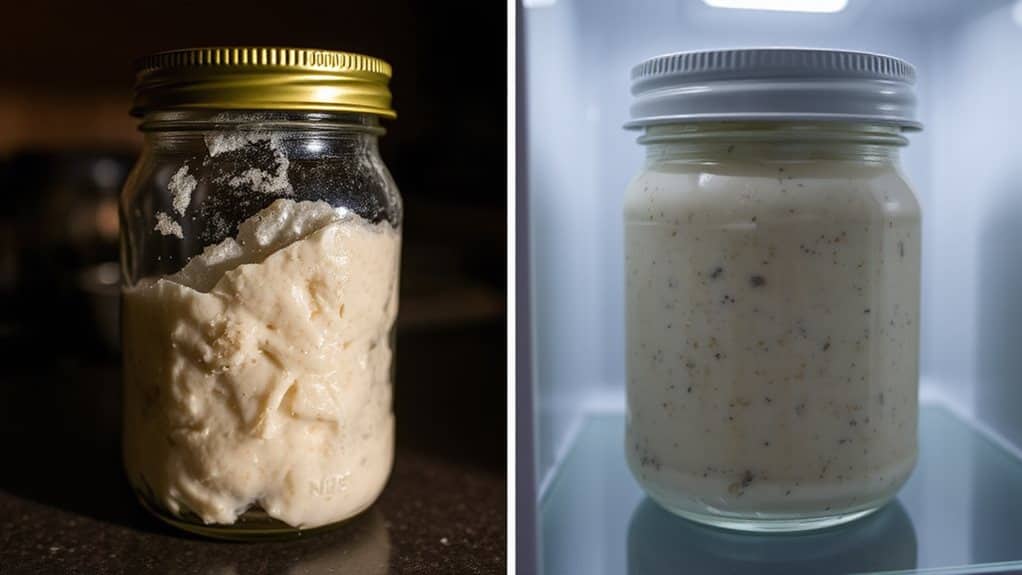
How long your store-bought horseradish lasts depends heavily on whether it’s opened and where you store it. Unopened, it’s fine in a cool, dry pantry for up to 9 months.
Once opened, refrigerate it immediately—keeping it in the fridge extends freshness to 3–4 months.
Leaving it out leads to quick flavor loss and spoilage, so don’t skip the fridge after opening. Keep it sealed tightly to limit air exposure and help preserve its flavor longer.
Proper Storage for Maximum Freshness
Once you’ve decided where to keep your store-bought horseradish, the next step is making sure it stays fresh as long as possible.
Store it in the fridge at 32°F to 40°F with about 90% humidity.
Wrap roots in a slightly damp paper towel, then place them in a perforated bag to balance moisture and airflow, preventing both drying and mold.
If you’re portioning meals, remember that 1 pound equals 16 ounces, which can help you store horseradish in consistent amounts.
Freezing Horseradish: Tips and Trade-Offs
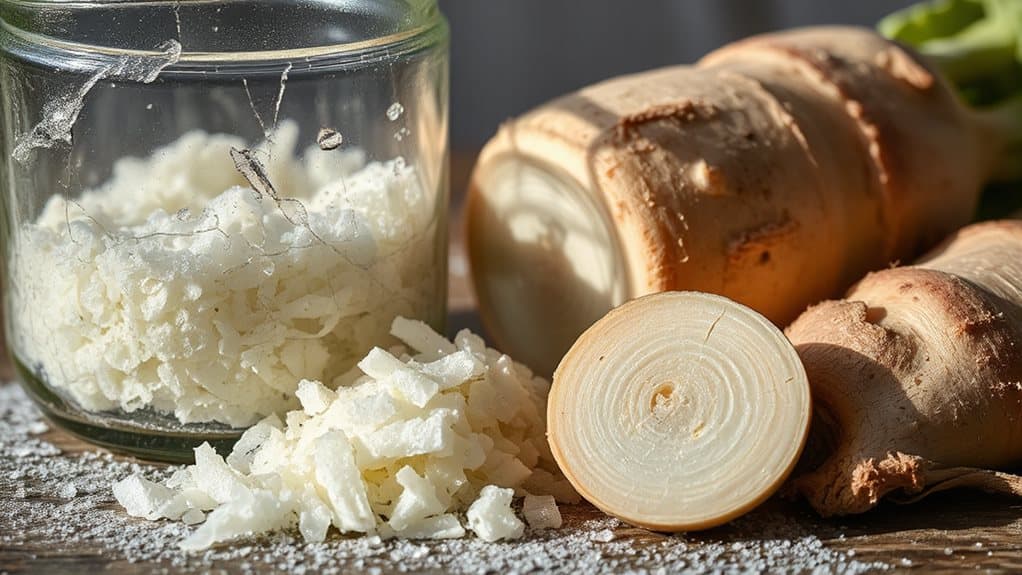
You can freeze fresh horseradish root, but only after grating it first—never freeze whole roots.
Once thawed, expect a softer, mushier texture that works better in cooked dishes than raw applications.
While freezing preserves it for up to six months, the flavor loses its sharp bite over time, so use it sooner for the best results.
For longer freezer storage with less risk of freezer burn, a countertop vacuum sealer like the Precision Pro uses double heat seal technology to help maintain vacuum integrity.
Freezing Fresh Roots
Why bother with complicated preservation methods when freezing fresh horseradish roots keeps them tasting lively and sharp for months?
Soak roots to loosen dirt, trim leaves, then scrub and cut into thumb-sized pieces.
Dry well, then vacuum seal or use airtight bags.
Lay flat for easy portioning.
Frozen roots last up to a year and retain fresh, zingy flavor when grated as needed.
Texture After Thawing
While freezing keeps horseradish safe and flavorful for months, it doesn’t play nice with texture—once thawed, the root turns soft and mushy due to ice crystals rupturing its cell walls during freezing.
You’ll notice separated fibers and a watery feel, especially in prepared horseradish.
Thawing in the fridge helps slightly, but don’t expect crispness.
Use it cooked, not raw.
Signs Your Horseradish Has Spoiled
How can you tell when horseradish has gone bad? Look for mold on the surface—it means toss it.
If it feels soft, mushy, or slimy, it’s spoiled.
Dark spots or browning show it’s past its prime.
A sour, musty, or ammonia-like smell means it’s off.
If it tastes bitter or lacks its usual kick, it’s time to discard it.
When to Discard Horseradish Safely
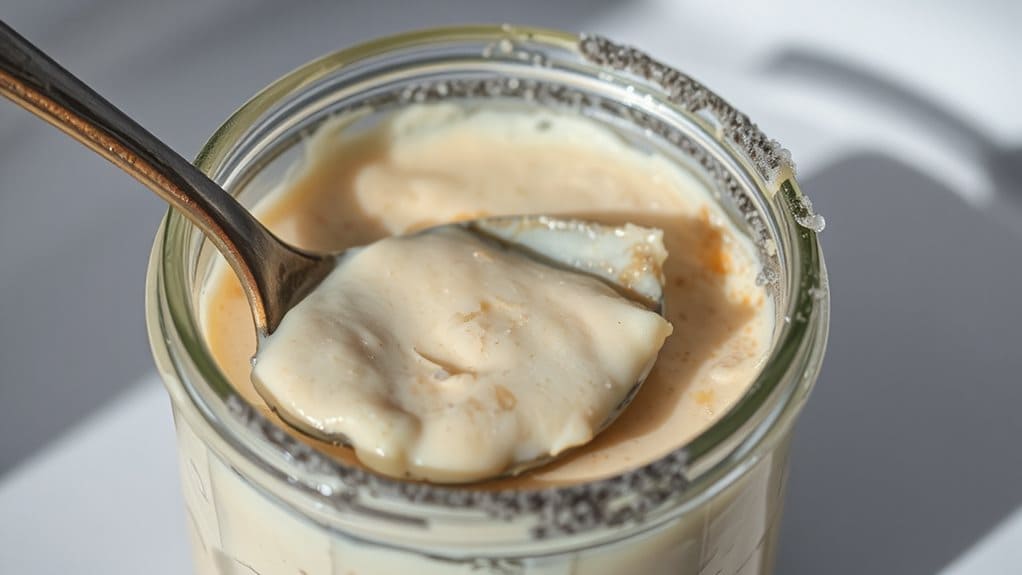
Ever wonder when it’s time to let go of that jar of horseradish sitting in the back of your fridge?
Toss it if it’s past 3–4 months opened, smells off, or wasn’t refrigerated.
Even before the date, discard if moldy or discolored.
Homoemade? Ditch it after two weeks.
Never risk it—when in doubt, throw it out.
Preserving Horseradish at Home
Now that you know when to toss horseradish, it’s time to learn how to make it last longer at home. Wrap fresh roots in a damp paper towel and store them in a sealed bag in the fridge for up to a month.
For longer storage, freeze grated horseradish with cream or vacuum-seal whole roots.
Use glass jars with plastic lids for prepared batches, and add extra vinegar if needed.
How Vinegar Affects Horseradish Longevity
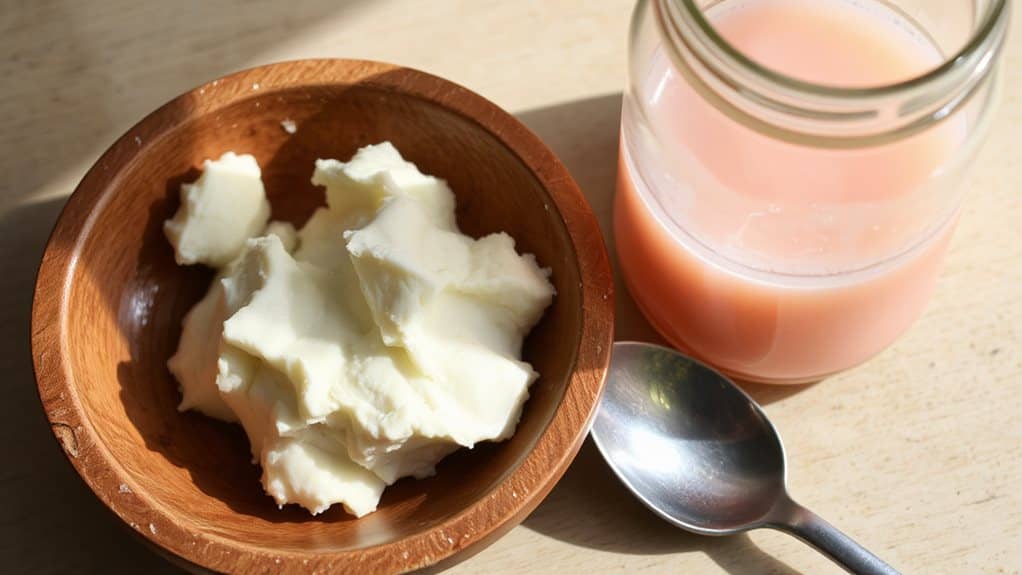
While you might think vinegar’s only role is to preserve, it actually plays a key part in shaping both the flavor and shelf life of your horseradish. You’ll notice it stops enzymatic heat right away, so timing matters.
Adding vinegar later enhances spiciness, but over time, even refrigerated, the kick fades.
Pack jars full to limit air and preserve punch longer.
Maintaining Flavor and Potency Over Time
How do you keep horseradish sharp and flavorful for as long as possible? Grate it fresh in small batches to preserve its kick, using a microplane for best results.
Freeze portions in airtight bags or ice cube trays for up to a year.
Store whole roots in the fridge with a damp towel, and always use refrigerated grated horseradish before thawing frozen stock.
Wrapping Up
You now know how to keep horseradish fresh and when to toss it. Store fresh roots in the fridge, keep prepared versions sealed and cold, and consider freezing for long-term use. Vinegar helps preserve flavor and potency, but quality still fades over time. Check for color changes, off smells, or texture issues to stay safe. With proper care, you’ll get the most from your horseradish—flavorful, sharp, and just as it should be.


