
Cut avocados brown because exposed cells release polyphenol oxidase, which reacts with oxygen to turn phenols into brown melanin. To stop this, brush the cut surface with lemon or lime juice, which lowers the pH and slows the enzyme, then cover the flesh with a thin layer of neutral oil to block oxygen. Wrap the avocado tightly in plastic wrap and refrigerate, keeping the pit in place for extra protection. If you keep these steps in mind, you’ll uncover even more tricks.
Quick Guide
- Squeeze a thin layer of lemon or lime juice over the cut surface to lower pH and inhibit polyphenol oxidase.
- Cover the avocado tightly with plastic wrap pressed directly onto the flesh, then store in an airtight container.
- Refrigerate the treated avocado at 35‑40 °F; cold temperatures slow enzymatic browning.
- Apply a light coat of neutral oil (e.g., avocado or canola oil) to create an oxygen‑blocking barrier.
- For short‑term storage, submerge the cut half in cold water with a splash of lemon juice, then seal and refrigerate.
Why Avocados Turn Brown After Cutting
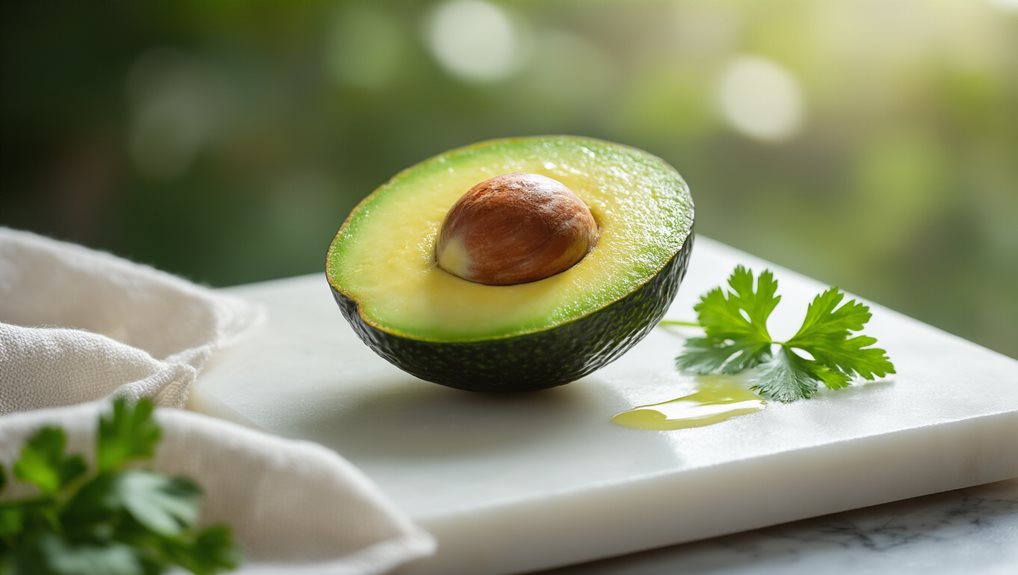
Why does an avocado turn brown the moment you slice it?
When you cut it, you damage cells and release polyphenol oxidase (PPO) along with phenolic compounds. PPO meets atmospheric oxygen, oxidizing phenols into quinones that polymerize into brown melanin. The reaction speeds at ambient temperatures (15‑35 °C) and neutral pH, while the fruit’s high fat content and sturdy PPO make browning especially rapid. Keeping the cut surface in an airtight container helps limit oxygen exposure and slow the reaction. PPO denatures at temperatures above 70 °C, which is why heat can halt the process.
Why Lemon or Lime Juice Stops Avocado Browning
When you slice an avocado, the exposed flesh quickly turns brown because polyphenol oxidase (PPO) reacts with oxygen to form melanin. Lemon or lime juice adds citric acid, which drops the pH into a range where PPO works poorly. This acidic environment slows quinone formation and melanin polymerization, effectively halting the browning cascade if applied right after cutting. Restricting exposure to air further delays oxidation. Similar to how cooking can reduce bitterness in eggplant seeds, changing a food’s conditions can noticeably alter its flavor and chemistry.
Step‑by‑Step: Apply Citrus Juice to Prevent Avocado Browning
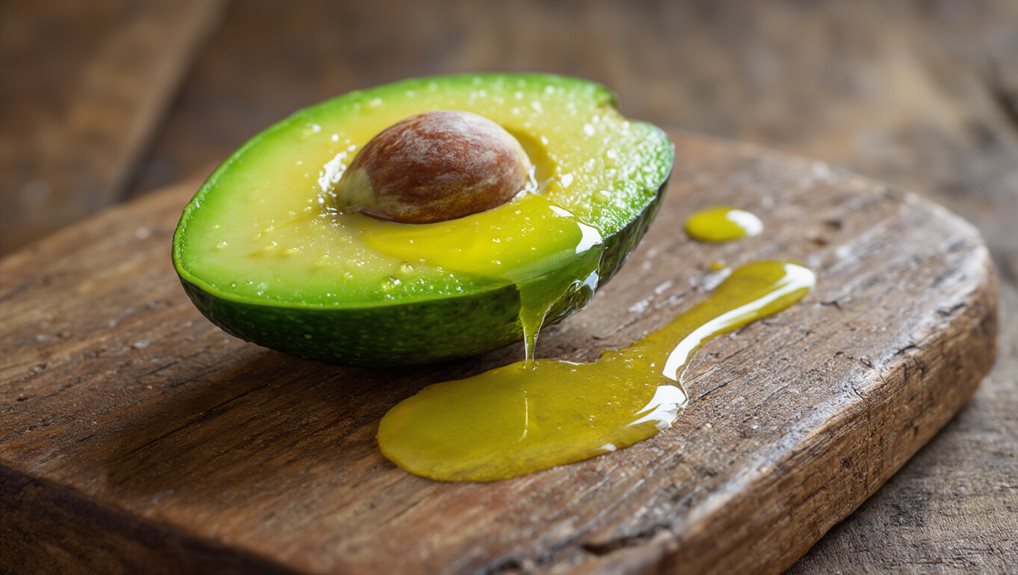
Pick a fresh lemon or lime and squeeze 1‑2 teaspoons of juice over every exposed avocado surface, spreading it lightly with a spoon or your fingers. Make sure the coating is even but thin, so the fruit stays bright without getting soggy.
Then wrap the avocado tightly and refrigerate right away to keep oxidation at bay. For best results, store it in an airtight container to help maintain freshness.
Choose Fresh Citrus
A splash of fresh citrus juice is the simplest way to keep a cut avocado from turning brown, because the acid in lemon or lime quickly lowers the fruit’s surface pH below the level where polyphenol oxidase (PPO) can function.
Choose ripe, firm lemons or limes; their citric and ascorbic acids are strongest when the fruit is bright, juicy, and free of mold.
Fresh juice supplies enough acid to drop pH below three, halting PPO activity and blocking oxygen. This natural preservative works better than many store‑bought chemicals.
Apply Evenly, Lightly
How do you make sure the citrus juice you’ve just squeezed actually protects the avocado flesh instead of just sitting on top? Immediately after slicing, drizzle a thin layer over the entire exposed surface. Use your fingers or a spoon to spread it evenly, covering every spot, including the pit area. Lightly rub for penetration, then wipe any pooling so the juice forms a thin, uniform barrier.
Store Immediately, Refrigerated
Preserving the fresh green of avocado starts the the moment you finish slicing, and the quickest way to lock in that color is to chill the fruit right away. After brushing lemon or citric‑acid juice, place the avocado in a sealed container and refrigerate immediately. The cold slows enzymatic activity, and the juice’s low pH enhances any bisulfite you added, keeping the puree bright for several hours.
Brush the Cut Avocado With Oil to Keep Air Out
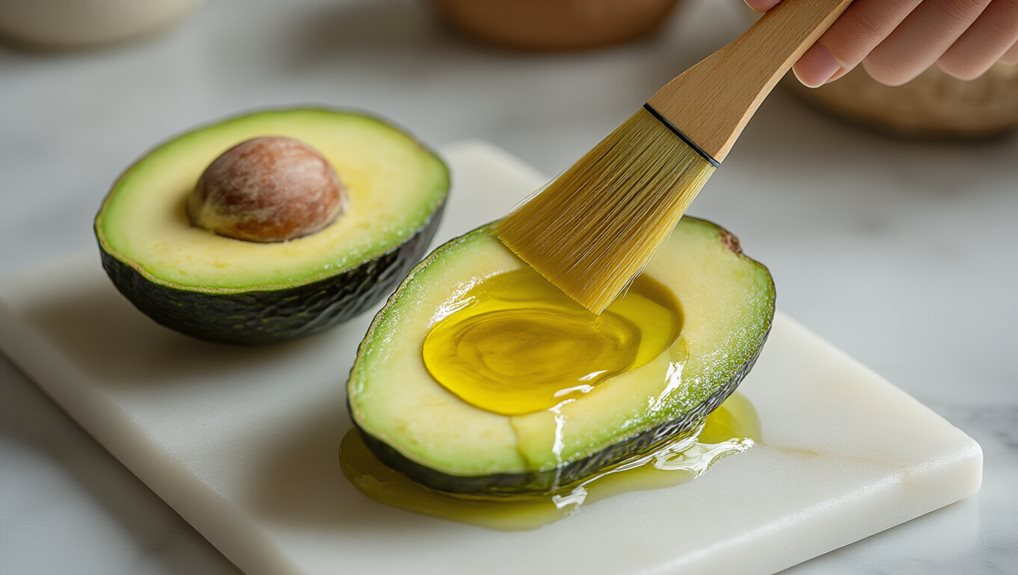
Lightly spraying or brushing a thin layer of cooking oil onto the exposed flesh of a cut avocado creates a barrier that blocks oxygen, which is the main trigger for the polyphenol oxidase enzyme that causes browning.
Use a neutral oil like canola or avocado oil, spreading it evenly with a brush or your fingers. The coat seals the surface, slowing oxidation while keeping flavor intact.
Refrigerate the treated half in an airtight container, keeping the pit in place for extra protection. This simple step can preserve slices for a few days.
Storing it in an airtight container also helps block air and moisture that can speed up quality loss.
Create an Airtight Seal With Plastic Wrap
You’ll want to press the plastic wrap directly onto the avocado’s flesh, smoothing it into every dip so no air pockets remain.
By eliminating those gaps, you block oxygen and stop the enzymatic browning reaction that turns the surface brown.
This tight, airtight seal can keep the green color fresh for up to a day in the fridge.
Seal Wrap Tightly
How can you keep an avocado’s green flesh from turning brown? Press plastic wrap directly onto the exposed side, smoothing it flat so it contacts every inch of flesh. Then place the wrapped half in an airtight container and snap the lid tightly. Store it at 35‑40°F, checking the seal before use. This dual barrier blocks oxygen, keeping the avocado fresh for up to 48 hours.
Eliminate Air Gaps
Ever wonder why a sliced avocado turns brown so quickly? You eliminate air gaps by pressing plastic wrap directly onto the flesh, creating an airtight seal that blocks oxygen. Smoothly stretch the wrap, ensuring no pockets form, and press it firmly. This barrier, combined with refrigeration, dramatically slows oxidation, keeping the avocado green longer without relying on citrus or submersion.
Soak Your Cut Avocado in Water to Keep It Green
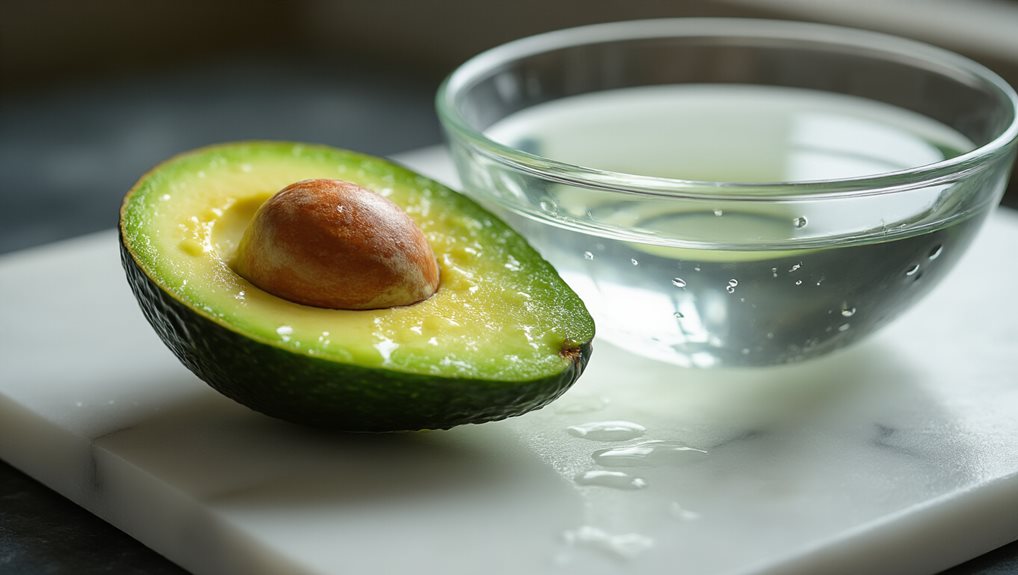
A simple cold‑water bath can keep a cut avocado green by blocking the oxygen that triggers browning. Fill a bowl with cold water, submerge the halved fruit, and add a splash of lemon juice or a pinch of salt to slow oxidation. Refrigerate the container, then use the avocado within four hours. Rinse and pat dry right before serving to remove excess liquid. Just as instant ramen is pre-cooked by steaming before dehydration, a quick rinse and proper storage can help keep foods in their best condition.
Myth: The Pit Stops Avocado Browning (Why It Doesn’t)
Ever wondered why the avocado pit doesn’t keep the whole fruit green? The pit only blocks air on the spot it touches, so the rest of the flesh oxidizes. Experiments show no slowdown in browning when the pit is added, and the enzyme polyphenol oxidase still reacts with oxygen. In short, the seed is a physical barrier, not a chemical protector.
Combine Techniques for the Longest Avocado Browning Prevention
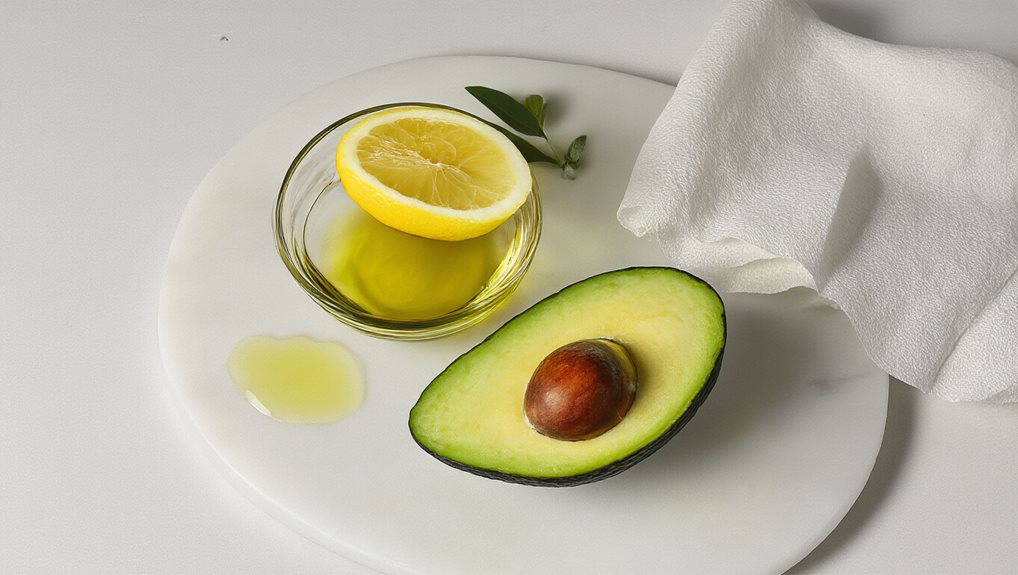
If you layer a thin coat of lemon juice on the cut surface, then wrap the avocado tightly in plastic and store it in the fridge, you’ll combine three proven defenses against browning.
Add a brush of oil before sealing to block oxygen, and place the wrapped fruit in an airtight container.
For extra protection, submerge a second half in coconut water briefly, then refrigerate.
This layered approach maximizes shelf life.
Troubleshooting: Why Browning Still Happens and How to Fix It
Even with a lemon‑juice coat, tight plastic wrap, and a splash of oil, many avocados still turn brown, and the culprit is often the stubborn polyphenol oxidase enzyme that keeps working as soon as oxygen reaches the flesh.
The enzyme reacts within minutes, and even acid or a single wrap layer only slows it.
Gaps, incomplete barriers, and the limited protection of a pit let oxygen in, so double‑wrap, airtight containers, and refrigeration are necessary to extend freshness beyond a day.
Quick Cheat Sheet for Stopping Avocado Browning
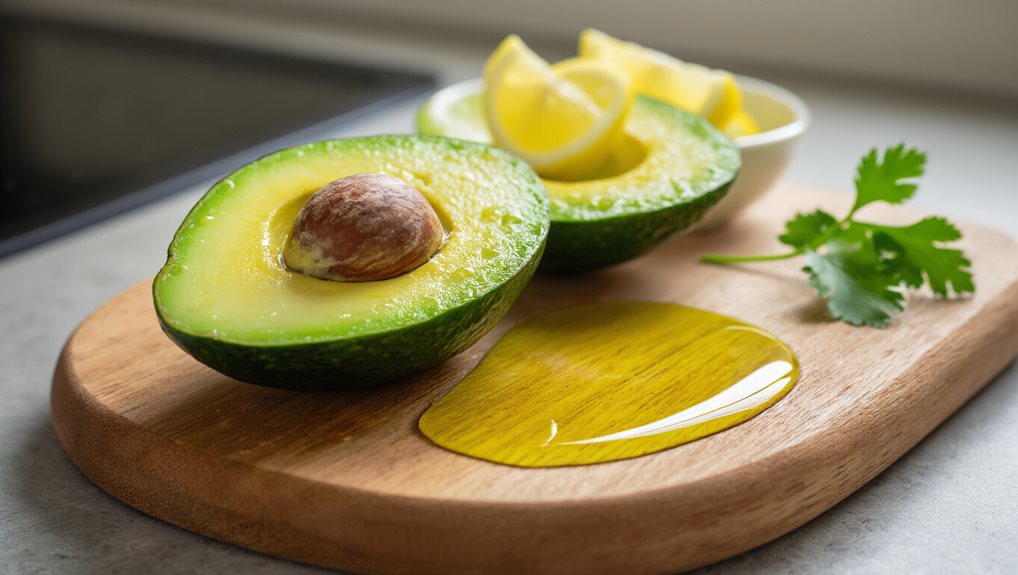
You can keep avocado flesh bright by brushing a thin layer of lemon juice on the cut surface, which creates an acidic barrier that slows oxidation. If you prefer a neutral taste, a light coating of olive oil or cooking spray works the same way, sealing out air while adding a glossy finish.
For bulk prep, submerge the halves in cold water, then store them in a sealed container for up to four hours, and the water blocks oxygen and keeps the fruit from turning brown.
Lemon Juice Barrier
A thin layer of lemon juice can seem like a quick fix for keeping avocado flesh green, but the data show it actually speeds up browning during the first four hours and offers no lasting benefit beyond eight hours.
In tests, 2 % and 4 % lemon juice accelerated discoloration, matching control levels after a day.
It underperforms sodium bisulfite and ascorbic acid, and only helps when combined with bisulfite, which neutralizes the early browning effect.
Oil Surface Coating
Why not try a thin oil coating to keep your avocado green? Choose olive oil or cooking spray; both create a barrier that blocks oxygen and mimics citrus juice. Spray or rub a ⅛‑inch layer over the cut surface, ensuring full coverage. The oil seals the flesh, slows enzymatic browning, and drains easily before you eat. Store in a zip‑lock bag or airtight container for extended freshness.
Water Submersion Storage
Ever wondered how a simple splash of water can keep your avocado green? Submerge the cut half in clean water, cut side down, then seal it in an airtight container.
The water creates a barrier that blocks oxygen, slowing the browning enzymes.
Store the sealed jar in the fridge; the cold plus the barrier keeps texture and nutrients intact longer than room‑temperature methods.
Wrapping Up
By using citrus juice, a light oil coating, and a tight plastic‑wrap seal, you can keep sliced avocados green for hours. Remember the pit alone won’t stop browning, so combine the methods for the best results. If you still see spots, check for excess air or moisture and re‑seal promptly. These simple steps let you enjoy fresh‑looking avocados in salads, toast, or guacamole without waste.


