
Yes — chocolate syrup can go bad. Unopened bottles last about 2–3 years in a cool pantry, and opened syrups kept refrigerated usually stay good around 12–18 months. Watch for mold, separation, unusual cloudiness, off or sour smells, and strange tastes; any of those mean toss it. Dairy-based or homemade fudges spoil faster. You can sometimes revive crystallized syrup with gentle warming, and below you’ll find more tips on storage and safety.
Quick Guide
- Yes—store-bought chocolate syrup can lose quality over time but is usually safe for months to years if unopened and stored properly.
- After opening and refrigerating, expect best quality for about 12–18 months; homemade syrups spoil much faster.
- Throw it out if you see mold, unusual discoloration, separation that won’t re-emulsify, or cloudy sediment.
- Bad or sour odors, off tastes, or persistent bubbles (without shaking) indicate spoilage or contamination.
- If appearance and smell are normal but thick/crystallized, gently warm or shake to revive before using.
How Long Does Chocolate Syrup Last Unopened and Opened?
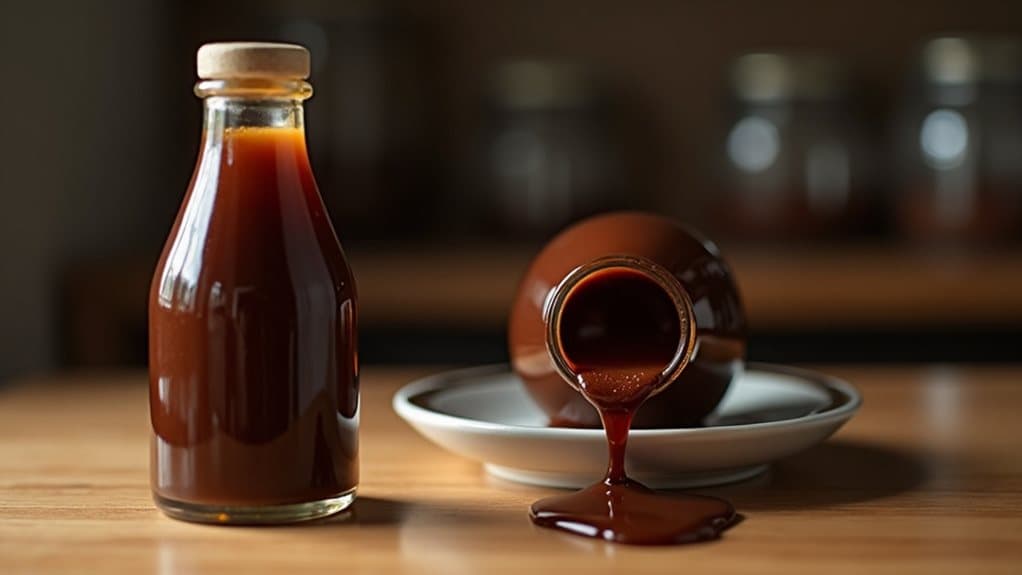
Generally, unopened chocolate syrup will keep for about 2 to 3 years if you store it in a cool, dry place, and many brands will still be fine for a year or two after the printed “best-by” date; once opened and refrigerated, expect the best quality to last roughly 12 to 18 months (some sources say up to 2 years) as long as you reseal the bottle and avoid contamination. Proper storage methods should be noted, as glass bottles can preserve quality slightly longer than plastic, and frequent exposure to air or moisture shortens usable life. Commercial syrups often contain preservatives that slow quality loss, so they typically degrade in flavor before becoming unsafe slowly over months to years.
Proper Storage to Extend Shelf Life
To keep your chocolate syrup at its best, store unopened bottles in a cool, dark place like a pantry away from heat and sunlight. Once opened, refrigerate the syrup and always use clean utensils to avoid introducing contaminants. Proper storage methods can also help minimize oxidation effects that may alter the flavor over time. Make sure the cap is tightly closed after each use to limit air exposure and preserve flavor. Proper storage can help prevent spoilage and extend shelf life, as noted by food safety sources USDA.
Store Unopened Coolly
When you store unopened chocolate syrup, keeping it cool and dark is the single most effective step to preserve flavor and texture for as long as possible.
Place bottles in a pantry away from heat, sunlight, and strong odors, maintaining about 50–70°F. Keep packaging sealed and upright, avoid temperature swings and humidity, and check dates and container integrity to maximize shelf life.
Refrigerate After Opening
Because refrigeration slows both microbial growth and chemical changes, you should put chocolate syrup in the fridge as soon as you open it to extend its usable life and keep the texture consistent.
Store it at 34–40°F, away from the door, in a clean airtight container; this preserves flavor, prevents crystallization, and especially protects homemade syrup that lacks preservatives.
Keep Cap Tightly Closed
Regularly keeping the cap tightly closed is one of the simplest but most effective steps you can take to extend your chocolate syrup’s life and preserve its quality.
Tight sealing limits air contact and oxidation, prevents dust and microbes from entering, and keeps moisture steady so the syrup stays pourable.
Clean threads, use the original cap, tighten firmly, and inspect for cracks to avoid spoilage.
Differences Between Store-Bought and Homemade Syrups
When you compare commercial and homemade chocolate syrups, the biggest differences come down to ingredients and how long they’ll last.
Store-bought bottles often contain preservatives, stabilizers, and sweeteners that help them sit unopened for years and stay good about a year after opening in the fridge, while homemade syrup—made from sugar, cocoa, and water—usually needs refrigeration and only keeps for a couple months. To maximize the shelf life of your homemade chocolate syrup, ensure it is stored in a sealed container to prevent exposure to air and moisture.
Knowing these ingredient and storage differences helps you decide whether to make a small fresh batch or rely on a commercial jar for longer-term use.
Commercial vs. Homemade Ingredients
Although store-bought chocolate syrups and homemade versions both aim to sweeten and flavor your desserts and drinks, their ingredient lists tell very different stories: commercial syrups commonly rely on high fructose corn syrup, artificial vanillin, preservatives like potassium sorbate, and emulsifiers to guarantee consistent taste, texture, and shelf life, while homemade recipes stick to simple pantry items—sugar or unrefined cane sugar, cocoa powder, water, vanilla extract, and a pinch of salt—so you get a purer cocoa flavor and the flexibility to control sweetness, texture, and dietary needs.
Commercial options add stabilizers and multiple sweeteners for uniformity, while homemade syrups offer ingredient transparency and easier customization for dietary preferences.
Shelf Life and Storage
Often the biggest difference between store-bought and homemade chocolate syrup is how long each will keep and where you should store it to maintain quality.
Store-bought unopened can last 2–3 years; opened, refrigerate for 12–18 months.
Homemade needs refrigeration and lasts about 2–3 months.
Always seal lids, use clean utensils, and freeze if you need longer storage, though texture may change.
Signs Your Chocolate Syrup Has Spoiled
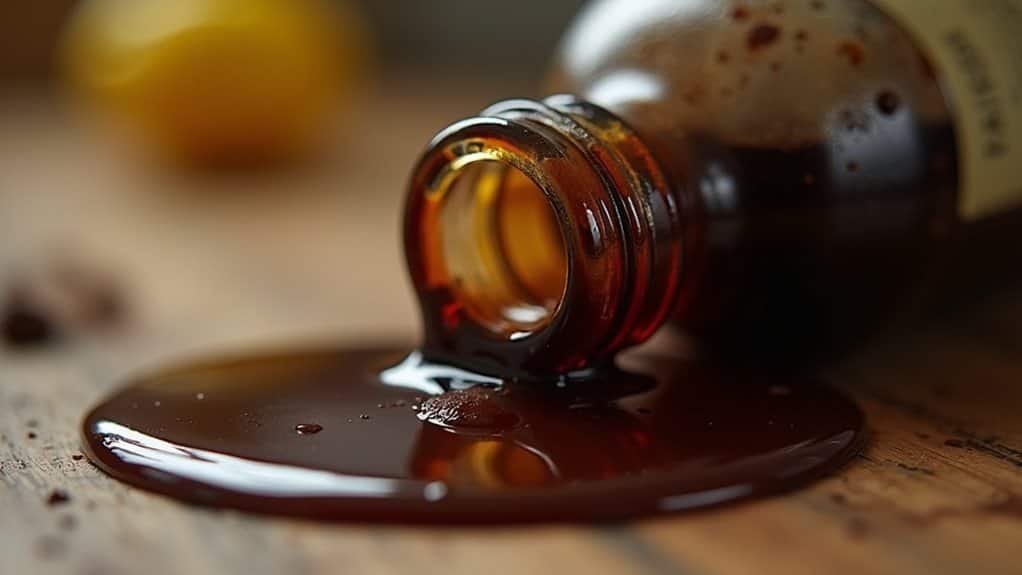
You should inspect your chocolate syrup carefully for several clear signs that it’s gone bad, since appearance, smell, taste, and texture all give useful clues.
Look for mold, discoloration, separation or cloudy sediment, and unusual bubbles.
Sniff for sour, rancid, or chemical odors.
Taste only a tiny amount if all else seems fine; gritty, bitter, or flat flavors mean toss it. It’s also important to be aware that expired food can pose health risks, including foodborne illness.
Safety: When It’s OK to Use Syrup Past the Date
When stored the right way, chocolate syrup can often remain safe to use well after its “best before” date, but you’ll want to check a few things before pouring it on dessert.
Inspect for mold, off-odors, or obvious separation; unopened jars kept cool can last years, opened bottles do better refrigerated, and contamination from utensils raises spoilage risk regardless of the date. Regular checks for spoilage signs ensure that your chocolate syrup remains safe and enjoyable to use.
Effect of Ingredients on Durability (Hot Fudge, Dairy, Sugar-Free)
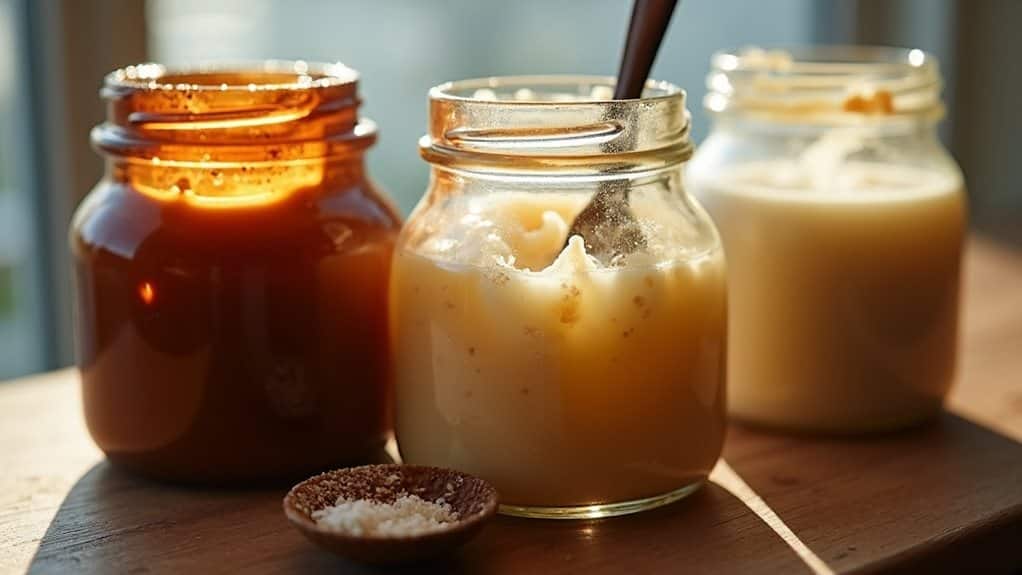
Because the ingredients you find in chocolate toppings directly determine how long they stay good, it’s useful to compare syrups, hot fudge, dairy-based sauces, and sugar-free versions side by side.
Corn syrup and cocoa-based syrups last longest; dairy and hot fudge spoil faster and need refrigeration once opened. Sugar-free varieties vary, often needing preservatives or cooler storage to match shelf life.
Tips for Reviving or Repurposing Older Syrup
Got a bottle of chocolate syrup that’s lost its smooth pour or show signs of age? Gently warm it in a microwave or double boiler, stirring constantly to loosen thickness and dissolve crystals; add a teaspoon of warm water if it’s clumpy. Shake separated syrup to recombine.
Use revived syrup for pancakes, baking, drinks, sauces, or freeze portions for later rather than discarding.
Wrapping Up
You can usually keep unopened chocolate syrup for many months, and opened bottles for several months if you store them tightly sealed in a cool, dark place or the refrigerator. Check for off smells, mold, separation, or strange texture before using. If it looks and smells fine, it’s generally safe past the date but use judgment, especially with dairy-containing or homemade syrups. Repurpose slightly aged syrup in baking or milkshakes rather than use it straight.

