
Yes — teriyaki sauce can go bad. Unopened bottles usually keep 1.5–3 years; once opened and refrigerated expect several months to a year for best quality. Toss it if you see mold, fuzzy growth, sliminess, persistent cloudiness, or a sour or off odor. Wipe caps, use clean utensils, and refrigerate after opening to slow spoilage. Check best-by dates and production codes for guidance, and continue below to learn practical storage and safety tips.
Quick Guide
- Yes — teriyaki sauce can spoil; unopened lasts 1.5–3 years, opened refrigerated bottles usually remain good for several months.
- Check for visible mold, fuzzy growth, swelling, bubbles, or a slimy film—discard immediately.
- Off, sour, rancid, or chemical odors are strong indicators the sauce is unsafe to use.
- Changes in color, persistent cloudiness, thickening, separation, or unusual sediment suggest spoilage.
- Store unopened in a cool, dark pantry; refrigerate after opening, use clean utensils, and label the open date.
How Long Does Unopened Teriyaki Sauce Last?
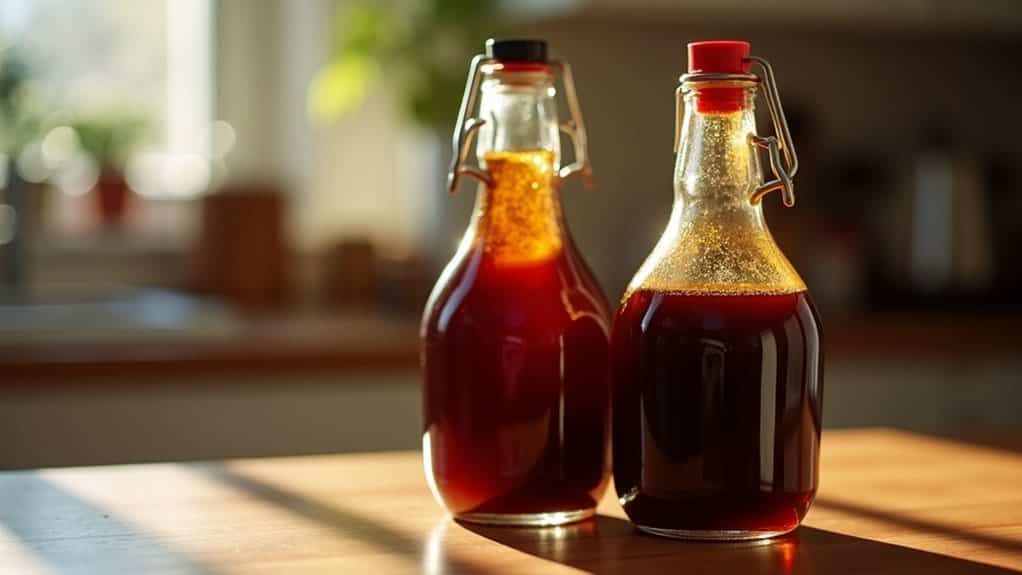
Although brands and packaging differ, unopened teriyaki sauce typically keeps its best quality for about 1.5 to 3 years when stored properly. Proper storage techniques can help maintain the flavor and quality of the sauce for a longer period. You should follow the printed best-by date, store bottles upright in a cool, dry place, and watch packaging type—plastic often lasts about two years while aseptic cartons can last longer. Check seals and appearance before use. Teriyaki refers to the cooking technique (teri = lacquered sheen; yaki = grilling/broiling).
Shelf Life After Opening: What to Expect
Once you open a bottle of teriyaki sauce and put it in the fridge, expect it to stay good for several months—commonly around 6 months to a year for safety, though many makers recommend using it within 1 to 2 months for best flavor. Proper storage methods can significantly extend the shelf life of sauces and other condiments. Keep an eye out for spoilage signs like mold, off-odors, significant color changes, or an unpleasant taste, because any of those mean you should throw it away. Store the bottle tightly sealed and use clean utensils so the sauce keeps its taste and texture as long as possible. Sealing the container tightly helps maintain airtight conditions.
Refrigerator Storage Time
Typically, you can expect opened teriyaki sauce to keep well in the refrigerator for several months, often around 3 to 12 months depending on the brand and ingredients. Store it tightly sealed and refrigerate immediately; commercial bottles often last longer, while homemade versions keep about a week.
Watch for texture and flavor changes, follow label guidance, and avoid introducing contaminants with utensils.
Signs of Spoilage
When you open a bottle of teriyaki sauce, pay close attention to what you see, smell, and feel, because these sensory cues are the quickest way to tell if the sauce has gone bad.
Look for mold, unusual cloudiness, separation, bubbles, or color change; sniff for sour, rancid, or fermented odors; and note thickening, sliminess, or off tastes — discard if any appear.
Key Signs Your Teriyaki Sauce Has Spoiled
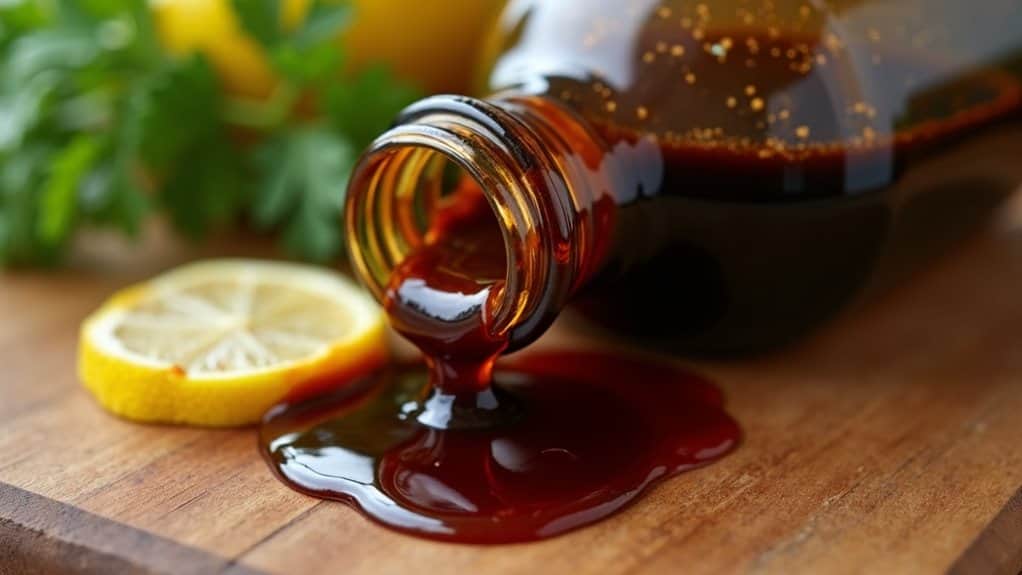
You’ll want to check three clear warning signs before using teriyaki sauce: an off or sour smell, changes in color or clarity, and any mold or texture alterations.
If the sauce smells fermented, sour, or otherwise different from its usual sweet-savory aroma, don’t taste it—discard it.
Also watch for darkening or cloudiness, visible mold spots, or thick separation and flakes, since those indicate the sauce has likely spoiled. Additionally, proper storage conditions can help extend shelf life and maintain quality, so always keep your teriyaki sauce in a cool, dark place.
Off or Sour Smell
How can you tell if teriyaki sauce has gone bad?
Smell it first: teriyaki should be slightly sweet and savory, not sharp or acidic.
A sour, rancid, fermented, or musty odor usually means bacterial or mold growth from poor storage, and it often precedes taste changes.
If it smells off, discard it immediately to avoid potential foodborne illness.
Color and Clarity
Because teriyaki sauce normally looks like a clear, dark brown liquid, any noticeable change in color or clarity is one of the quickest visual clues that something’s wrong.
Check for paler tones, green or gray hues, or marked cloudiness and sediment.
Minor darkening from air is normal, but dramatic discoloration or persistent murkiness usually means you should discard the sauce.
Mold and Texture Changes
After checking color and clarity, keep an eye on mold and texture, since these changes are some of the most obvious signs of spoilage.
If you see fuzzy mold, bubbling, swelling, or a slimy film, toss the bottle immediately. Texture that becomes watery, grainy, or overly thick often means microbial growth from bad seals, poor storage, or contamination, posing health risks.
How to Store Teriyaki Sauce for Maximum Freshness
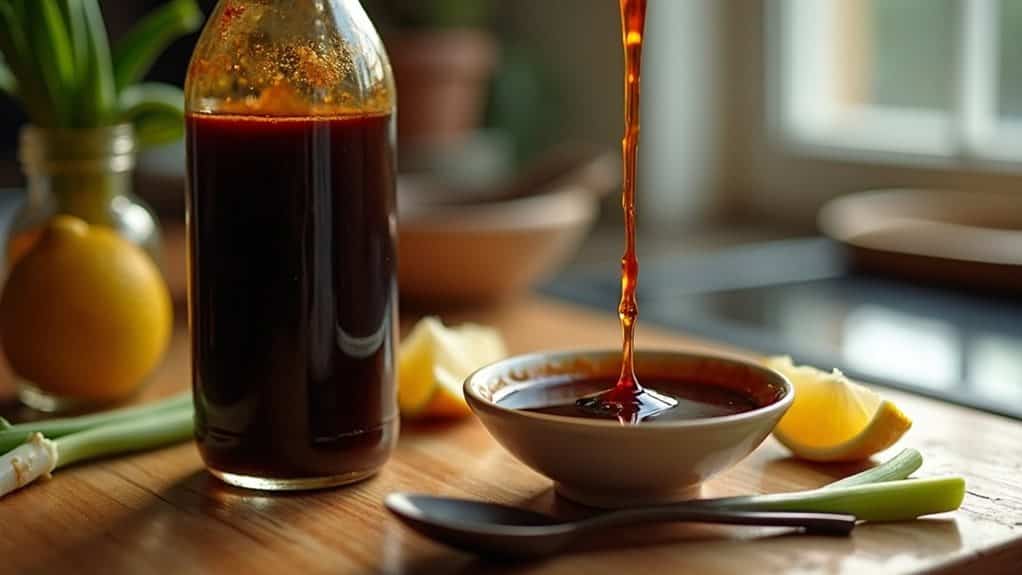
To keep teriyaki sauce tasting its best, store unopened bottles in a cool, dry pantry away from heat and direct sunlight, and put the sauce in the refrigerator as soon as you open it. Once opened, Chick-Fil-A sauce should be refrigerated within 2 hours to maintain optimal freshness and flavor. Use airtight containers, seal lids tightly, and wipe rims after each use. Keep refrigerated at 35–40°F, avoid door shelves, label dates, and freeze portions for longer storage.
Ingredient Factors That Affect Longevity
When you check teriyaki sauce, start by noting the sugar and salt levels since high sugar reduces water activity and salt, especially from soy sauce, helps inhibit microbes. Also look for preservatives listed on the label and the presence of acidic ingredients like vinegar or mirin, because these lower pH and can markedly extend shelf life. Together, these factors — sugar, salt, acidity, and added preservatives — determine how long your sauce will stay safe and retain its flavor. Proper storage conditions are essential for maximizing the longevity of your teriyaki sauce.
Sugar and Salt Content
A few key ingredients—mainly sugar and salt—play a major role in how long teriyaki sauce stays good, because they both reduce the water available to microbes and slow spoilage; sugar acts as a humectant and creates a less hospitable environment for bacteria and mold, while salt lowers water activity and directly inhibits microbial growth.
You’ll notice crystallization, viscosity changes, or fermentation over time, so refrigerate after opening.
Preservatives and Acidity
Although teriyaki sauces rely heavily on flavor, their shelf life is shaped just as much by preservatives and acidity, so you should pay attention to ingredient lists and storage instructions.
Preservatives like sodium benzoate or potassium sorbate, plus natural antioxidants and alcohol, slow microbial growth. Mild acidity from vinegar and soy fermentation also inhibits spoilage, but effectiveness varies by formulation and drops after opening.
Packaging Matters: Glass vs. Plastic Bottles
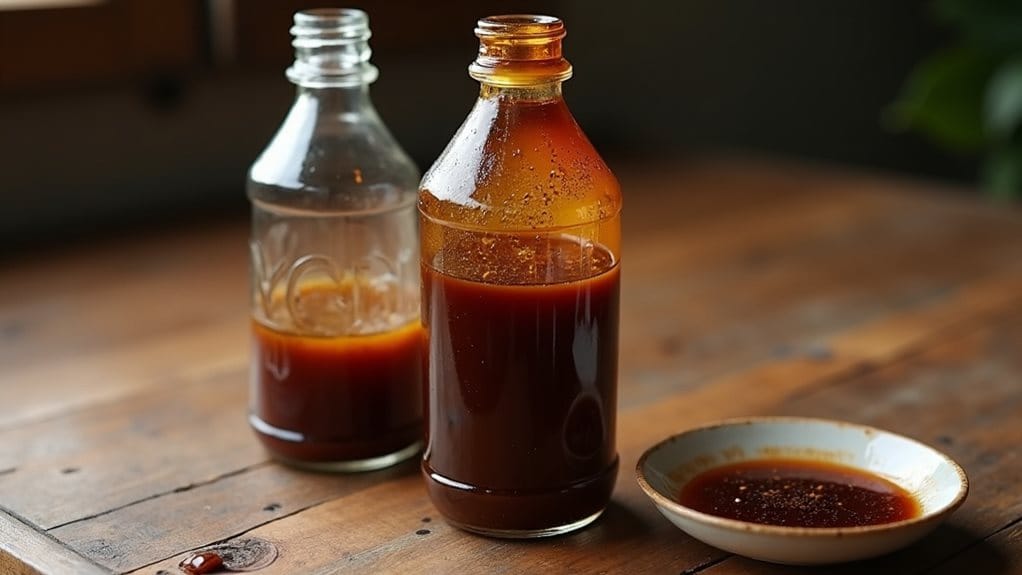
Many shoppers face a simple trade-off when choosing glass or plastic bottles for teriyaki sauce: glass offers a tighter barrier against air and moisture, while plastic is lighter and tougher to handle.
You’ll get better long-term flavor and less risk of odor transfer with glass, but plastic resists breakage, is more convenient, and may slightly accelerate oxidation after repeated openings.
Interpreting Best-By Dates and Production Codes
When you’re checking a bottle of teriyaki sauce, the best-by date and the small production code tell two different stories about quality and traceability, so it’s useful to know what each one means and how to use them.
The best-by shows peak quality timing, not safety; sealed sauce can be fine afterward.
Production codes help manufacturers track batches—contact them to decode specifics.
Safe Handling Practices to Prevent Contamination
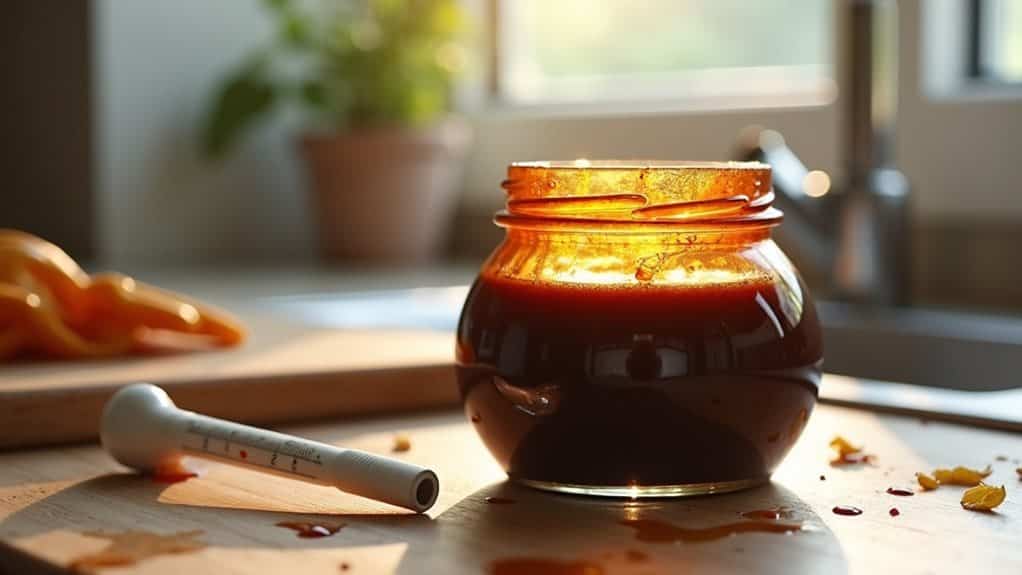
Proper handling cuts the risk of contamination, so you should treat teriyaki sauce like any other perishable or ready-to-eat product and follow clear storage, hygiene, and inspection rules.
Keep opened bottles refrigerated, store unopened ones cool and dry, avoid cross-contact with raw meats, wash hands and use clean utensils, inspect packaging for damage, and rotate stock to maintain safety and quality.
What to Do If Your Sauce Smells or Looks Off
If your teriyaki sauce looks or smells off, don’t risk tasting it to find out—trust your senses and act promptly to protect your health. Discard any bottle with unusual colors, lumps, slime, visible mold, or foul, sour, or chemical odors.
Check the date and storage history, avoid tasting, and when in doubt throw it out to prevent foodborne illness.
Tips for Extending Flavor and Shelf Life
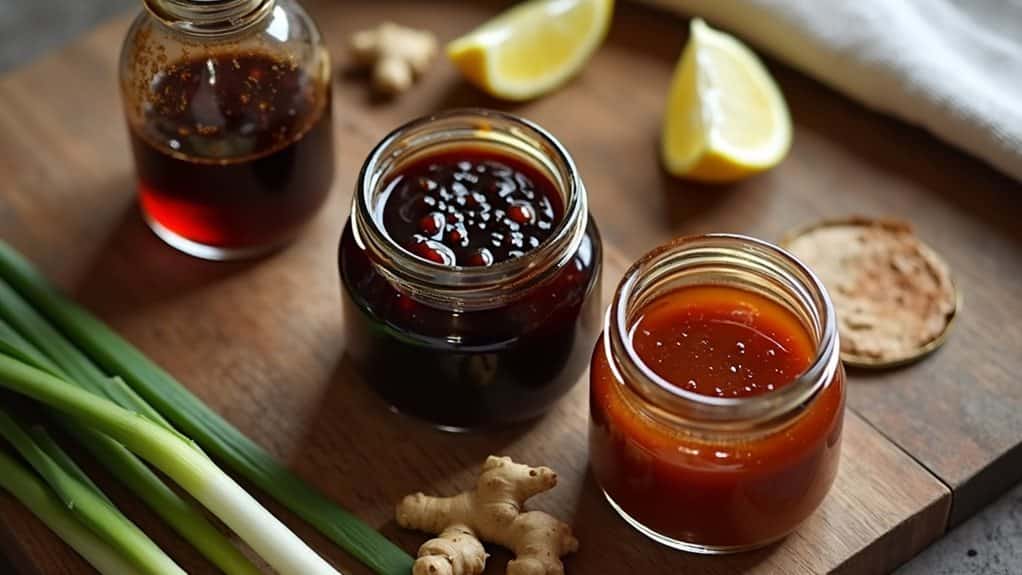
You’ve already learned when to toss a bottle that smells or looks off, and now you can take steps to keep good teriyaki sauce tasting fresh longer.
Refrigerate opened bottles, clean caps, and seal tightly; store unopened jars in a cool, dark pantry. Freeze extra portions in airtight containers, thaw in the fridge, and portion sauce to avoid repeated contamination and temperature swings.
Wrapping Up
You can usually keep unopened teriyaki sauce for many months, but once you open it you should refrigerate and expect quality to decline after a few months. Check for off smells, cloudiness, mold, or gas when opening, and discard if anything seems wrong. Store the bottle tightly closed in the fridge, use clean utensils, and note the best-by date. When in doubt, throw it out—food safety matters more than saving a few ounces.

