
You can freeze cottage cheese to extend its shelf life and preserve most protein and nutrients, though the texture will change as curds shrink and whey separates. Choose full-fat, small-curd varieties, portion into airtight freezer bags or containers, remove excess air, and label with the date; keep for 2–3 months. Thaw in the fridge 13–24 hours, stir or drain before using, and use within 1–2 days—best in cooked or blended dishes for texture. More tips follow.
Quick Guide
- Yes — you can freeze cottage cheese, but expect texture changes like whey separation and graininess after thawing.
- Full-fat, small-curd varieties freeze and thaw with better texture than low‑fat or nonfat options.
- Portion into ½–1 cup containers or ice-cube trays, remove excess air, and label with the freezing date.
- Freeze for best quality 2–3 months; thaw in the fridge 13–24 hours and use within 1–2 days.
- Thawed cottage cheese is best used in cooked, blended, or mixed dishes (dips, pancakes, casseroles, smoothies).
Why Freezing Cottage Cheese Works

Because freezing slows down spoilage and locks in most of the cheese’s nutrients, you can turn a rapidly perishable tub of cottage cheese into a usable ingredient for months. Freezing halts microbial growth and preserves protein, while water and curds separate, altering texture. To maintain food safety, ensure that cottage cheese is properly packaged and dated before freezing. You’ll use thawed cottage cheese best in cooking, baking, or blended recipes, and you should package and date portions to maintain quality. Full-fat varieties freeze better than low-fat ones.
How Long Can You Freeze Cottage Cheese?
Now that you know freezing slows spoilage and preserves most nutrients while changing texture, you’ll want to know how long cottage cheese will keep in the freezer. Freeze it for best quality for 2 to 3 months; beyond that texture and flavor decline and spoilage risk rises. Thaw and use within 1 to 2 days, don’t refreeze, and label containers. Be sure to choose full-fat varieties when possible to help minimize texture changes after thawing, as proper storage practices are crucial for maintaining food quality and safety.
Which Types Freeze Best
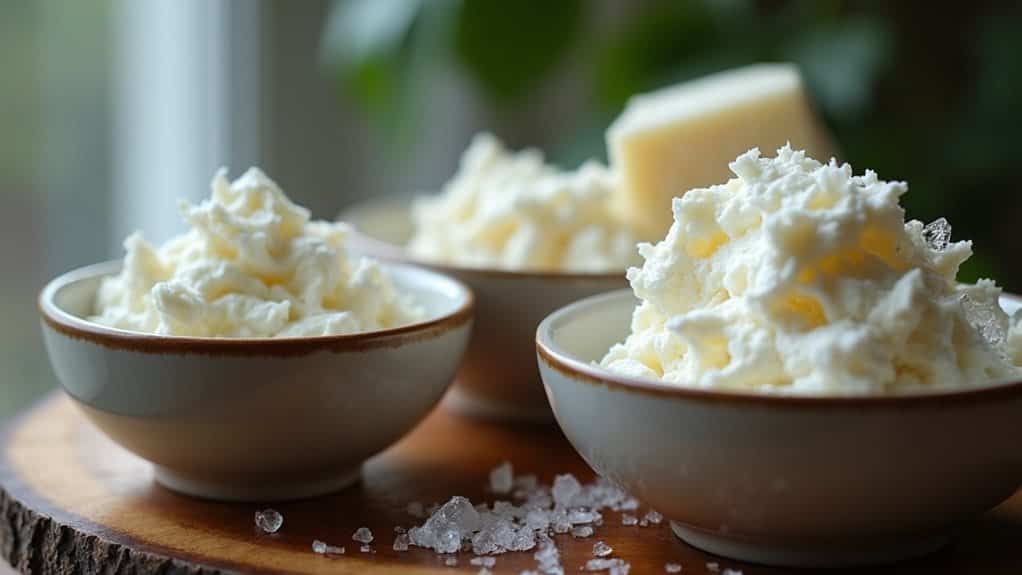
When you’re choosing cottage cheese to freeze, fat content, curd size, and overall quality make the biggest difference in how well it holds up; full-fat varieties and those with smaller, uniform curds generally survive freezing and thawing with less separation and a creamier texture.
Choose higher-quality or homemade full-fat options, avoid nonfat types, and prefer smaller curds or cooking-style formulations for best results. Additionally, proper storage methods are important to ensure the quality of the cheese during freezing.
Step-by-Step Freezing Guide
Start by portioning cottage cheese into recipe-sized amounts, like ½ cup or smaller, so you only thaw what you need and reduce waste.
Pack each portion into airtight, freezer-safe containers or bags, press out excess air, and spread the cheese thin for faster, more even freezing.
Label every package with the date and freeze flat at 0°F (-18°C) or below to preserve quality and make storage simple. Additionally, be mindful that food safety guidelines recommend not leaving dairy products at room temperature for extended periods.
Portion and Pack
If you want to freeze cottage cheese so it’s ready for recipes later, portioning and packing it correctly will make the biggest difference in quality and convenience.
Divide into ½–1 cup portions for cooking, or use ice cube trays for 1–2 tablespoon servings. Spread flat in freezer-safe bags, remove air, seal tightly, and group smaller bags inside a larger one for protection.
Label and Freeze
You’ve portioned and packed your cottage cheese, so now label each package clearly and seal it for the freezer.
Write the freezing date, product type, and any thawing notes with a permanent marker or pre-printed label, after removing excess air.
Lay bags flat to freeze, double-bag or foil-wrap for extra protection, and store in a consistent freezer zone, using older packages first.
Best Containers and Packaging Tips

When freezing cottage cheese, pick containers that block moisture and seal tightly so the product keeps its flavor and texture. Use freezer-safe bags or airtight rigid containers, squeeze out excess air, and leave ¾ inch headspace in glass. Portion in silicone trays for small servings, then transfer to bags. Wrap original plastic tubs in foil or place them inside a freezer bag. Label with dates. For best results, avoid moisture interference to maintain puff pastry longevity.
How to Thaw Cottage Cheese Safely
Thaw frozen cottage cheese in the refrigerator, allowing about 13 to 24 hours depending on the size of the container and your fridge temperature.
Once softened, stir or drain off excess liquid to restore a more consistent texture, since separation is common after freezing.
After thawing, keep it refrigerated and use within 24 hours to minimize spoilage and food-safety risks.
Refrigerator Thawing Time
Because gradual, cold thawing keeps bacteria growth to a minimum, you should always plan to defrost frozen cottage cheese in the refrigerator rather than on the counter or in the microwave.
Place the sealed container on the bottom shelf; small portions thaw within 24 hours, larger ones may take longer.
Check for off odors or discoloration, use within 24 hours after thawing, and discard if spoiled.
Stirring and Texture Repair
Expect to see a layer of clear whey resting on top of firmer curds after cottage cheese has been frozen and then chilled; this separation is a normal physical change from ice crystal formation and doesn’t automatically mean the cheese is spoiled.
Gently stir with a spoon to reincorporate moisture, draining excess whey if needed, and use stirred cottage cheese in cooked or blended dishes where texture is less critical.
Safe Storage After Thawing
When you bring frozen cottage cheese out of the freezer, handle it slowly and keep it chilled in the refrigerator so bacteria have little chance to grow; plan on up to 24 hours for a full thaw and leave the container sealed to prevent contamination and moisture loss.
After thawing, check smell, color, and texture, keep it refrigerated, label the date, and discard after 24 hours.
Texture and Flavor Changes to Expect
If you freeze cottage cheese, you’ll notice a fairly predictable change in texture and a slight softening of flavor after it thaws.
The curds often clump and the mixture turns chunkier and grainier, with whey separating and collecting at the bottom.
The mild tang stays mostly intact but may seem muted, so you’ll usually stir, drain, or cook it rather than eat it plain.
Best Uses for Thawed Cottage Cheese

Thawed cottage cheese is best put to work in cooked, blended, or mixed dishes rather than eaten straight from the container, because thawing changes its texture and makes it grainier with some separated whey.
Blend or whip it for dips and sauces, fold into casseroles, bake into lasagna or cornbread, add to smoothies, pancake batter, salads, or meatloaf for extra protein and moisture.
When You Shouldn’t Freeze Cottage Cheese
Because freezing changes both safety and quality, you shouldn’t freeze cottage cheese in several common situations: avoid freezing containers that are near or past their expiration date, ones that have been left out at room temperature for too long, or any tubs that have already been thawed once.
Also skip freezing if you need a creamy texture, with high-moisture styles especially prone to separation and off-flavors.
Wrapping Up
You can freeze cottage cheese, but expect some texture changes; it’ll thaw crumbly and slightly watery because ice crystals break the curds’ structure. Freeze in airtight containers, remove excess air, and keep it for up to three months for best quality. Thaw in the fridge and stir gently, using it in cooked dishes, casseroles, or blended recipes where texture matters less. Don’t freeze delicate, fresh-style varieties you plan to eat plain.

