
Yes, rice milk can go bad. When stored properly, unopened shelf-stable rice milk typically lasts 3-4 weeks past its expiration date. Once opened, it should be consumed within 7-10 days for safety and quality.
Signs of spoilage include a sour smell, chunky texture, discoloration, or mold growth. To extend its shelf life, store unopened cartons in a cool, dry place and keep opened containers refrigerated at 33°F to 38°F.
Proper storage techniques, like sealing containers tightly and shaking them before use, can help maintain freshness. While rice milk can be frozen for up to 6 months, the texture may change upon thawing. Understanding these factors can help you make the most of your rice milk.
Quick Guide
- Rice milk can go bad, with opened containers typically lasting 7-10 days when refrigerated properly.
- Signs of spoilage include sour smell, chunky texture, discoloration, mold growth, and off taste.
- Unopened shelf-stable rice milk can last 3-4 weeks past the expiration date if stored correctly.
- Proper storage in the refrigerator at 33°F to 38°F (0.5°C to 3.3°C) is crucial for maintaining freshness.
- Freezing rice milk can extend its shelf life up to 6 months but may affect texture upon thawing.
Understanding Rice Milk
Many people turn to rice milk as a popular non-dairy alternative. This lactose-free, gluten-free option is made by blending cooked rice with water, resulting in a slightly sweet flavor.
Rice milk’s shelf life and spoilage are important considerations, similar to other milk alternatives like evaporated milk, which also require attention to storage and freshness.
It’s often fortified with nutrients like calcium and vitamins A and D, offering a beneficial nutritional profile. It can be used in cooking as a dairy-free option for various recipes.
Shelf Life of Rice Milk
When it comes to rice milk, there are significant differences in shelf life between unopened and opened containers.
Proper storage techniques can greatly affect the freshness of your rice milk, similar to how fresh lemon juice can spoil quickly.
Various factors, including storage conditions, processing methods, and exposure to air and light, can affect the freshness of rice milk.
Unopened vs. Opened Lifespan
Understanding the lifespan difference between unopened and opened rice milk is essential for maintaining its quality and safety.
When stored properly, unopened shelf-stable rice milk can last 3-4 weeks past its expiration date. Once opened, it should be consumed within 7-10 days.
Watch for signs of spoilage, such as off smells, texture changes, or discoloration. Proper storage, including refrigeration and using airtight containers, helps keep rice milk fresher longer.
Factors Affecting Freshness
Several key factors influence the shelf life and freshness of rice milk. When stored properly, unopened rice milk can last beyond its expiration date, while opened rice milk has a shorter lifespan.
Proper storage conditions, including refrigeration for opened containers, are essential. You’ll want to check for signs of spoilage, such as color, smell, or consistency changes.
Extending Shelf Life Tips
Knowing how to extend the shelf life of rice milk can help you minimize waste and save money.
- Store unopened cartons in a cool, dark place to maximize shelf life beyond the expiration date.
- Once opened, keep refrigerated rice milk in a tightly sealed container at 33-38°F.
- For longer storage, consider freezing rice milk in airtight containers.
- Always check for signs of spoilage before consuming, especially if it’s nearing or past its recommended consumption period.
Signs of Spoiled Rice Milk
Detecting spoiled rice milk is essential for your health and safety. Proper storage practices can help prolong its freshness, but be vigilant for clear signs of spoilage, such as a sour smell or unpleasant taste.
A chunky texture or discoloration is a visual indicator that it’s unsafe to drink. If you spot mold growth or an unusual film on the surface, it’s time for disposal.
Trust your senses to identify these signs and avoid consuming spoiled rice milk. For more safe-consumption information, refer to hummus shelf life and spoilage indicators.
Proper Storage Techniques
You’ll want to follow proper refrigeration practices to guarantee your rice milk stays fresh.
Once opened, store your rice milk in the refrigerator at temperatures between 33°F to 38°F (0.5°C to 3.3°C), and consume it within 7 to 10 days for peak quality.
You can extend the shelf life of unopened shelf-stable rice milk by keeping it in a cool, dry place below 95°F (35°C), but remember to always shake the container before use to maintain consistency.
Refrigeration Best Practices
Proper refrigeration is essential for maintaining the quality and safety of your rice milk.
To prolong shelf life, store refrigerated rice milk between 33°F and 38°F (1°C —3°C). Once opened, seal the container tightly and keep it chilled. Always shake well before use.
While unopened shelf-stable varieties can be stored at room temperature, don’t exceed 95°F (35°C).
For freezing rice milk, use an airtight container and leave space for expansion.
Extending Shelf Life
Extending the shelf life of your rice milk is achievable with proper storage techniques.
To maximize shelf life beyond the expiration date, keep unopened cartons in a cool, dry place away from sunlight.
Once opened, store rice milk in an airtight container in the refrigerator and consume within 7-10 days.
For longer storage, you can freeze rice milk, but watch for signs of spoilage before use.
Extending Rice Milk’s Freshness
For ideal freshness, you’ll want to store your rice milk properly. Keep unopened containers in a cool, dry place to extend the shelf life of store-bought rice milk.
Once opened, refrigerate at 33°F-38°F and consume within 7-10 days for best quality.
Check for spoilage signs before use. You can also freeze rice milk in airtight containers, leaving room for expansion, to further extend its freshness.
Homemade vs. Store-Bought Longevity
When comparing homemade and store-bought rice milk, you’ll notice a significant difference in longevity.
Homemade rice milk lasts 3-5 days refrigerated, while store-bought varieties can last 7-10 days once opened. Unopened shelf-stable rice milk can last 3-4 weeks past the expiration date.
Store-bought options are often fortified with nutrients and have a longer shelf life. To maximize freshness, store homemade rice milk in airtight containers and refrigerate it.
Freezing Rice Milk
Freezing rice milk offers a practical solution to extend its shelf life up to 6 months. When freezing, use an airtight container and leave room for expansion.
To thaw frozen rice milk, place it in the refrigerator and shake well before use. Be aware that the texture may change and become grainy.
Always check for signs of spoilage, such as off odors, unusual flavors, or changes in appearance, before consuming thawed rice milk.
Risks of Consuming Expired Rice Milk
While proper storage can extend rice milk’s shelf life, it’s important to understand the risks associated with consuming expired products.
Don’t consume expired rice milk past the expiration date printed, as it can pose health risks. Watch for signs of spoilage like off taste or unusual texture.
Unopened rice milk may last slightly longer, but opened rice milk shouldn’t be consumed after 7-10 days. Those with compromised immune systems, young children, and pregnant women should be especially cautious.
Using Rice Milk Past Expiration
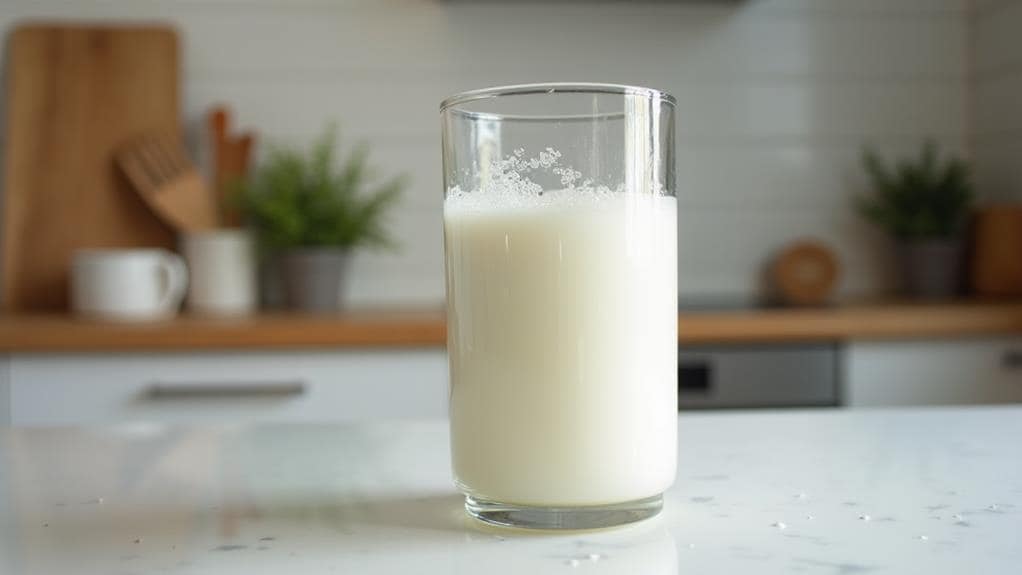
Despite the expiration date printed on rice milk cartons, you might still be able to use the product safely under certain conditions.
Trust your senses to detect signs of spoilage, such as off odors or unusual textures. For best freshness, consume opened rice milk within 7-10 days.
If rice milk is nearing expiration but shows no signs of spoilage, you can use it in cooking for added safety. Always discard rice milk if you suspect minor spoilage.
Wrapping Up
You’ve learned that rice milk can spoil, but you can extend its shelf life with proper storage and attention to expiration dates. Always check for signs of spoilage before consuming, and remember that homemade rice milk typically has a shorter lifespan than store-bought versions.
While freezing is an option, it may affect texture. Following these guidelines guarantees you’re drinking fresh, safe rice milk and avoiding potential health risks associated with expired products.


