
If you keep your unopened tamarind paste in a pantry, it can last for 3-5 years. Once you open it, store it in the fridge and it should be good for up to 6 months. Keep it in a sealed container in a cool, dark place to keep it fresh. Freezing tamarind paste can make it last even longer without losing its taste. Check for any signs of spoilage like white spots, color changes, or weird smells. If you notice any, throw it out. Follow these tips to make your tamarind paste last longer. Learn more about storing and using tamarind paste to make the most of it.
TLDR
- Keep unopened tamarind paste in a pantry for 3-5 years.
- Once opened, store tamarind paste in the fridge for up to 6 months.
- To make tamarind paste last longer, freeze it.
- Store tamarind paste in a sealed container in a cool, dark place.
- If you see white spots, color changes, or strange smells, throw away the tamarind paste.
Understanding Tamarind Paste Basics
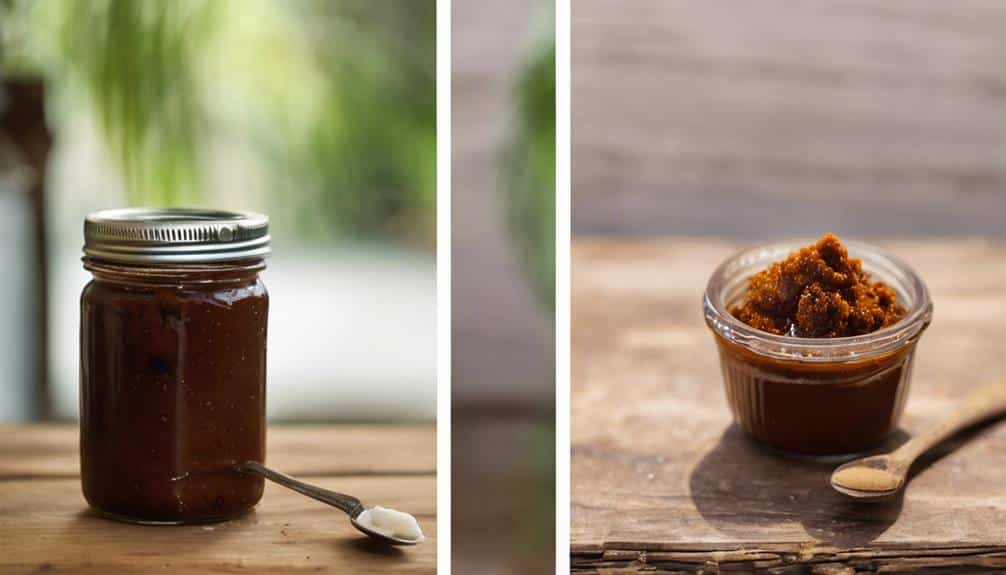
Tamarind paste is a concentrated form of the tamarind fruit that has a tangy taste. It's commonly used in Indian, Middle Eastern, and Mexican dishes. Originally from Africa, tamarind paste adds a mix of sour and sweet flavors to your cooking. It's packed with fiber, antioxidants, Vitamin C, and B-vitamins, which are good for your digestion and overall health. To make it last, store tamarind paste in a cool, dark place like a pantry. This way, you can enjoy its taste and benefits for a long time.
Storage Conditions and Tips
To keep your tamarind paste fresh for longer, store it in a sealed container in a cool, dark place. This stops moisture from spoiling it. If you've made your own paste, store it carefully to keep its flavor and texture. Scoop out what you need when using it and put the rest back in the container. Always check for any bad smells or sliminess before using the paste. Follow these tips to enjoy your tamarind paste for a while.
Maximizing Shelf Life and Freshness
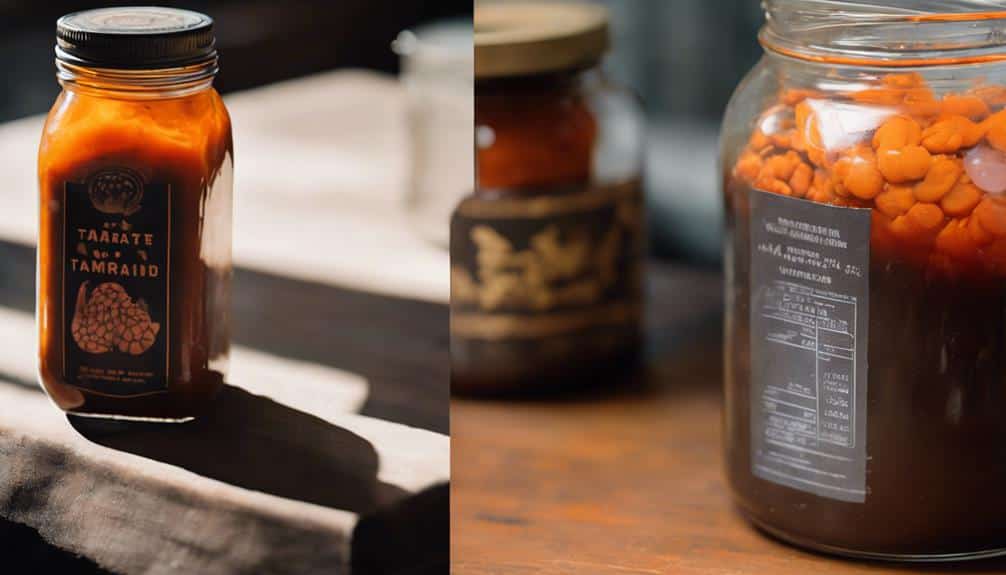
To keep your tamarind paste fresh for longer, store it right. If unopened, keep it in a cool, dark place like a pantry for 3-5 years. Once opened, store it in the fridge in a sealed container for up to 6 months. You can also freeze it to make it last even longer. Always check for any odd smell, texture, or color before using it. These tips will help you enjoy your tamarind paste for a long time while keeping it tasty.
Signs of Spoilage and Contamination
Tamarind paste can go bad if you don't check it often for spoilage. It's more likely to spoil at room temperature, so check it regularly. Look for white spots, color changes, or a strange smell. If you see any of these, toss the paste to avoid getting sick. Keep your tamarind paste in the fridge to keep it fresh and safe. Use a clean, dry spoon to scoop it out and prevent moisture from ruining it. By staying alert and following these tips, you can keep your tamarind paste fresh for longer without any worries.
Culinary Uses and Applications
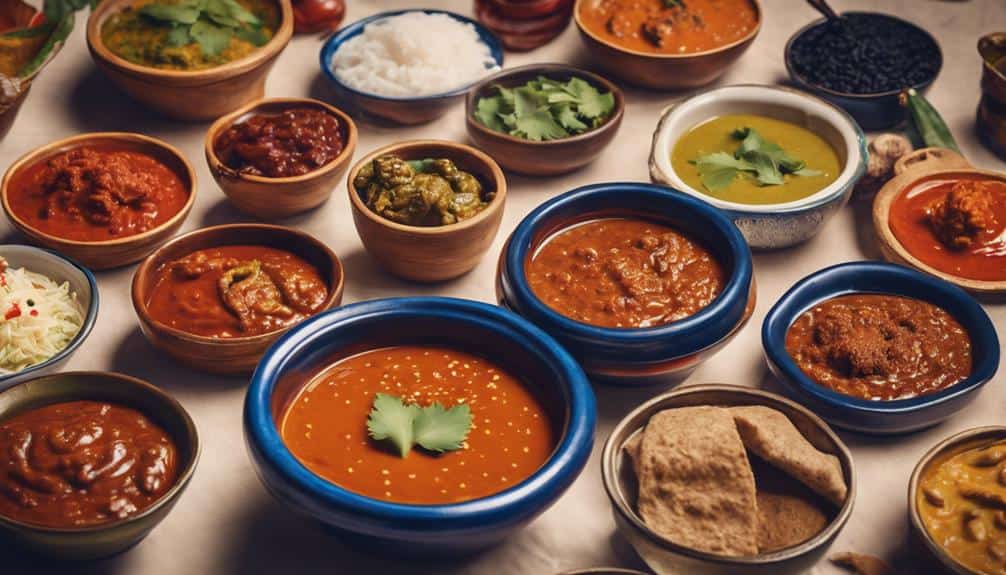
Tamarind paste has a unique taste that works well in Asian, Middle Eastern, and Latin American dishes. You can use it to make sauces, marinades, chutneys, and even add it to your drinks for a new flavor. Mix it with other fruit juices or coconut milk to balance the flavors. Whether you're cooking a classic curry or trying something new, tamarind paste is a great ingredient to have in your kitchen. Don't be afraid to be creative and try different ways to use tamarind paste in your cooking.
Purchasing and Preparing Tamarind
When you're shopping for tamarind paste, make sure to pick a good quality one that will last. Learn how to choose fresh tamarind and store it well to keep its flavor and freshness. This way, you can enjoy using tamarind paste in your cooking for its unique taste and versatility.
Selecting Fresh Tamarind
To make sure you get the tastiest tamarind, pick pods that are big, feel heavy, and look smooth with no damage. Fresh tamarind should be a bit soft when pressed. When you bring it home, open the pod, take out the pulp and seeds, and soak the pulp in warm water to get the flavor out. Your tamarind will be ready to use soon! Remember, you can keep fresh tamarind in the fridge for 2 weeks or freeze it for longer storage.
Storing Tamarind Properly
Once you've prepared your fresh tamarind, it's important to store it properly to keep it tasting good. Keep your tamarind paste in a cool, dark place like a spice cabinet. This will help it stay fresh longer and avoid spoiling quickly. Use a sealed container to protect it from air and moisture, which can make mold grow. You can also put tamarind paste in the fridge after opening to make it last even longer. Always check the label for specific storage tips, and check for mold before using it. Following these steps will help you enjoy your tamarind paste for a while without losing its flavor.
Shelf Life Factors and Influences

There are a few things that affect how long tamarind paste can last, like where you keep it, how it's packaged, and how you handle it. If you store tamarind paste in a cool, dark place like a pantry, it can stay good for 3-5 years if it's unopened. If you put it in the fridge in a sealed container, it will be fine for about 6 months. Keeping it in the freezer can make it last even longer. To make sure it stays fresh, use airtight containers and check it regularly for any strange smells, textures, or colors. By doing this, you can enjoy your tamarind paste for a longer time. Remember, how you store it is important for making it last, so be smart about where you keep your tamarind paste to make the most of it.
Health Benefits and Nutrition
When you start using tamarind paste in your cooking, you'll find that it has a lot of good stuff for your health. It's full of antioxidants, vitamins, and minerals that can make you feel better overall. Adding tamarind paste to your meals can give you all the benefits of its nutrients like fiber, vitamins, and antioxidants.
Rich in Antioxidants
Full of antioxidants like Vitamin C, tamarind paste helps your body fight off harmful free radicals, which can cause health issues. By cooking with tamarind paste, you not only add flavor but also boost your body's defenses. Free radicals can harm your cells and lead to diseases, but tamarind paste can help protect you. Whether you keep it in your pantry or use it fresh, tamarind paste is a healthy choice for your meals. So, have fun trying new recipes with tamarind paste, knowing you're looking after your body with every tasty bite.
Tamarind's Nutrient Profile
Adding tamarind paste to your cooking not only makes your food taste better but also provides lots of good stuff for your body. It's full of fiber, antioxidants, and B-vitamins that can help you feel great overall. The fiber in tamarind paste helps with digestion, eases constipation, and keeps your gut healthy. The antioxidants in it fight off harmful substances in your body, keeping your cells healthy and lowering stress. Tamarind paste is a nutritious choice that can benefit your heart, immune system, and blood sugar levels. Including tamarind paste in your meals can increase your nutrient intake and support your health.
Preserving Tamarind Paste Naturally

To keep your tamarind paste fresh for longer, try these simple natural tricks. Mix in some sugar to make a sweet chutney that helps preserve it. Store tamarind juice in the fridge to make it last for years. Make larger batches of tamarind paste to have a 3-month supply ready. Adjust the salt and dilute the paste as needed to keep it fresh. With these tips, your tamarind paste will stay tasty for a long time.
Common Storage Mistakes to Avoid
To keep your tamarind paste fresh and tasty for longer, avoid some common slip-ups. Store it in a cool, dry spot away from direct sunlight. When thawing, do it in the fridge or a cool place, not at room temperature. Don't keep it near strong-smelling foods that can mess with its flavor. Use clean, dry utensils to handle it to prevent spoilage. By dodging these mistakes, your tamarind paste will stay good for a while.
Tamarind Paste in Different Cuisines

When you start using tamarind paste in cooking, you'll see how well it works in different types of cuisine. From tasty Indian dishes to flavorful Southeast Asian recipes, tamarind paste adds a special touch to many meals. Whether you want a tangy or sweet and sour flavor, tamarind paste is the perfect way to make your dishes even more delicious.
Indian Inspired Dishes
In Indian cooking, tamarind paste is a key ingredient that adds a tangy and slightly sweet flavor to dishes. It's commonly used in chutneys, enhancing the taste of snacks and street foods. South Indian cuisine uses tamarind paste in dishes like sambar, rasam, and rice dishes. While not typical in Pad Thai, tamarind paste is a must-have in Indian street food for making tangy sauces like tamarind chutney. Unlike Middle Eastern cuisine, Indian recipes often include tamarind paste for a tangy kick. When trying out Indian dishes, you'll see how versatile tamarind paste is in curries, dals, and refreshing drinks like jaljeera and panakam.
Southeast Asian Flair
Tamarind paste is a key ingredient in Southeast Asian dishes, known for its sweet and tangy taste. It's used in popular dishes like Pad Thai, Tom Yum soup, and various curries in Thai cuisine. Indonesian dishes like Rendang, Soto, and Gado-Gado also benefit from the flavorful addition of tamarind paste. In Malaysian cuisine, you'll find it in dishes like Asam Laksa, Nasi Ulam, and sambal recipes, adding a zesty kick. This paste brings a rich complexity to these dishes, making it a must-have in traditional recipes.
Extending Shelf Life With Freezing
Keeping tamarind paste in the freezer can make it last longer without losing its taste and smell. You can store frozen tamarind paste for a long time if you seal it well. This way, the paste will stay flavorful and fresh. Before using it, thaw the frozen tamarind paste in the fridge. To avoid thawing and refreezing many times, freeze small amounts at once. By freezing tamarind paste, you can savor its unique Southeast Asian taste in your dishes for an extended time while keeping it delicious.
Conclusion
Now that you've learned about tamarind paste and how to store it properly, you can enjoy its delicious taste for a long time. Whether you're a cooking pro or just starting out, knowing how to use tamarind paste can enhance your meals. So, dive into the world of tamarind-infused dishes and relish the zesty flavor of this popular Indian ingredient!

