
Eating raw tilapia can be dangerous because it might have harmful bacteria like Vibrio vulnificus, making you very sick. Tilapia is more likely to have this bacteria than other fish.
To stay safe, avoid eating raw tilapia in the US. It’s essential to handle and cook seafood properly. Keep reading to learn more about the risks of eating raw tilapia and how to avoid contamination. Remember, being careful when handling and cooking seafood can help you enjoy it without worries.
Quick Guide
- Don’t eat raw tilapia because it can have harmful bacteria like Vibrio vulnificus.
- Ensure to cook tilapia thoroughly until it reaches 145°F inside to kill bacteria.
- Handle and cook tilapia properly to avoid getting sick.
- The CDC warns that eating undercooked tilapia can cause serious infections.
- To stay safe, follow FDA guidelines for cooking seafood to prevent illness.
Risks of Consuming Raw Tilapia
Raw tilapia can be risky because it may contain Vibrio vulnificus, a harmful bacteria often found in raw seafood. In the United States, it’s best to avoid eating raw tilapia to prevent potential contamination. Unlike fish like tuna or salmon, which are safer choices when eaten raw, tilapia is more prone to carrying Vibrio vulnificus. (Learn How Many Oysters In A Peck)
Laura Barajas got sick from undercooked tilapia, showing how dangerous it can be. To stay safe from Vibrio vulnificus, always handle and cook seafood properly. To avoid getting sick, it’s essential to ensure that tilapia and other seafood are cooked thoroughly. Stay safe and cook your seafood well.
Vibrio Vulnificus Infections and Symptoms
Vibrio vulnificus infections can cause serious health problems if not treated quickly. To prevent infection, cook seafood well and avoid mixing raw seafood with other foods. Treatment usually involves antibiotics and sometimes hospital care. It’s crucial to know the signs of infection, like watery diarrhea, stomach pain, nausea, and fever.
The CDC warns about Vibrio vulnificus in warm Gulf waters, so be cautious, especially with raw seafood. Stay aware of the risks to protect your health. Acting fast is essential to avoid complications from this harmful bacteria.
Prevalence of Bacteria in Raw Seafood
Eating raw seafood, especially tilapia can be risky because it often contains harmful bacteria like Vibrio vulnificus. This bacterium can make about 80,000 people sick in the US every year, especially in the warmer waters of the Gulf of Mexico. The CDC warns about the increasing cases of Vibrio vulnificus infections, so it’s essential to be careful when consuming raw seafood.
Symptoms of this infection include diarrhea, stomach pain, nausea, and fever, showing the dangers of eating uncooked seafood. To stay safe, properly handling and preparing raw seafood like tilapia is crucial to avoid getting sick from Vibrio vulnificus.
Importance of Proper Seafood Preparation
Preparing seafood properly is essential to avoid getting sick from bacteria like Vibrio vulnificus. The CDC warns against eating seafood that isn’t cooked all through because it can lead to Vibrio vulnificus infections. To stay safe, handle and cook seafood carefully to reduce the risk of harmful bacteria exposure.
Safe Seafood Handling
To stay safe when eating seafood, you must handle it properly to avoid getting sick. Storing seafood correctly is crucial to prevent food poisoning. Mishandling raw fish can lead to severe illnesses like Vibrio vulnificus infections. These infections can cause symptoms such as redness, pain, swelling, and discoloration in wounds, which need immediate medical help.
As water temperatures rise, the risk of Vibrio vulnificus infections increases, making safe seafood handling even more critical. Knowing the dangers of raw seafood and how to prepare it are essential to prevent Vibrio vulnificus infections and their dangerous effects.
Cooking Seafood Thoroughly
Cooking seafood throughout is essential to avoid getting sick from harmful bacteria, parasites, and viruses. When making sushi, cook the fish properly, as eating raw fish, like tilapia, can be risky. Raw fish might have parasites or bacteria that can only be killed by cooking it well.
Cooking the seafood thoroughly before serving is crucial for ceviche because the acidic marinade may not eliminate all the harmful stuff. To stay safe, always cook seafood until it’s at the proper internal temperature and follow food safety rules carefully. Cooking seafood thoroughly makes it taste better and keeps you safe from getting sick from undercooked fish.
Cooking Techniques to Ensure Safety

To ensure your tilapia is safe to eat, always cook it thoroughly to avoid any possible contamination risks. One way to do this is using a cooking method called sous vide. This involves sealing the fish in a bag and cooking it in water at specific temperatures to ensure it’s fully cooked. Another technique is making ceviche, where the fish is marinated in citrus juices that “cook” it without heat.
Choosing sushi-grade tilapia can also help reduce the risk of contamination since it’s handled and stored carefully. These techniques not only improve the taste and texture of the tilapia but also ensure it’s safe to eat. Remember, cooking the fish properly is crucial for enjoying tilapia without any worries about your health.
Dangers of Undercooked Tilapia
Eating tilapia that isn’t cooked well can be risky because it may contain Vibrio vulnificus bacteria, often found in raw seafood and seawater. These bacteria can cause serious health problems if you consume undercooked tilapia. Tilapia sushi, raw fish, and undercooked seafood all risk Vibrio vulnificus contamination.
Symptoms of a Vibrio vulnificus infection include watery diarrhea, stomach cramps, nausea, and fever. In severe cases, these infections can even lead to amputations or life-threatening complications. To stay safe, it’s essential to handle and cook tilapia properly. The CDC advises following safe seafood practices to lower the chances of Vibrio vulnificus infections. (Learn How Long Can Mashed Potatoes Stay Out)
Health Complications From Raw Tilapia

To stay healthy, it’s essential to know that eating raw tilapia can make you sick. A harmful bacterium called Vibrio vulnificus can be found in raw tilapia. If you eat raw tilapia, you could get sick with symptoms like diarrhea, stomach pain, nausea, and fever. In severe cases, you might even need to have a limb removed because of an infection.
The CDC warns about the risks of this bacterium in raw seafood, including tilapia. It’s crucial to cook tilapia properly to avoid getting sick. Always cook your tilapia well to protect yourself from these health problems.
Safe Handling Practices for Tilapia
When handling tilapia, ensure it’s safe to eat by cooking it thoroughly to eliminate harmful bacteria like Vibrio vulnificus. Follow these tips to keep your tilapia safe—store raw tilapia in the fridge at temperatures below 40°F to stop bacteria from growing. Use separate cutting boards and utensils for raw tilapia to avoid spreading germs to other foods.
Wash your hands well with soap and water after touching raw tilapia. Cook tilapia until it reaches 145°F inside to kill any harmful bacteria. These cooking steps are crucial for safe eating. Following these storage and cooking tips, you can enjoy tilapia safely and tastily.
Guidelines for Cooking Tilapia Thoroughly
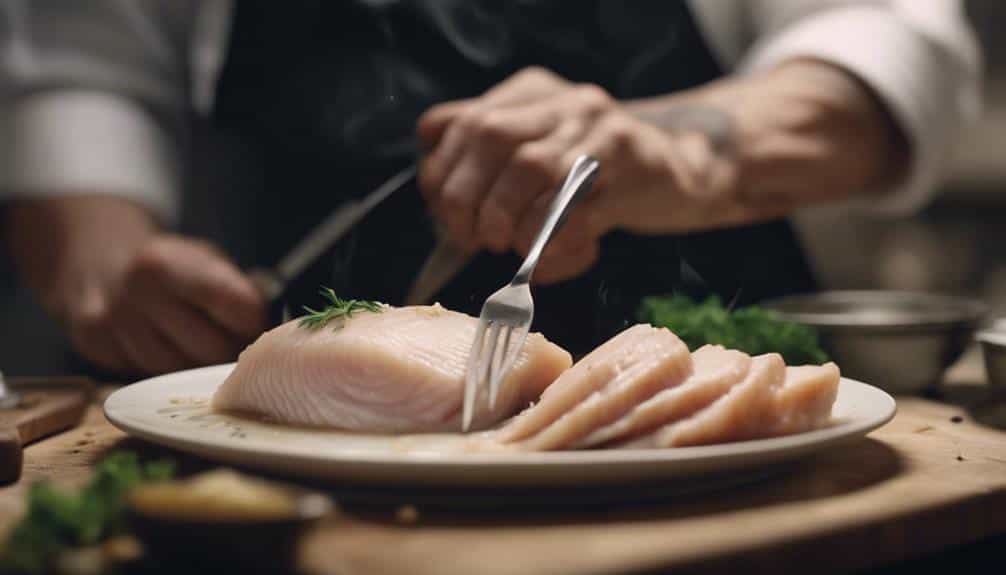
To stay safe, cook tilapia until it reaches 145°F inside. Whether you’re making tilapia sushi or ceviche, following the proper cooking step is crucial. Properly cooking tilapia helps eliminate harmful germs and parasites in the fish, lowering the chance of getting sick from food.
Don’t eat raw tilapia to avoid bacterial infections like Vibrio vulnificus, as it can quickly become contaminated. Sticking to the FDA’s cooking guidelines for fish, including tilapia, ensures your meal is tasty and safe. Remember, cooking thoroughly is essential for enjoying tilapia without any health concerns.
Avoiding Contamination in Seafood
To keep tilapia and other seafood safe to eat, handle, store, and cook it thoroughly. Store seafood in the fridge at the right temperature and cook it until cooked through to prevent illness from harmful bacteria like Vibrio vulnificus. By following these steps, you can enjoy seafood like tilapia without worrying about foodborne illness.
Safe Seafood Handling
To keep your seafood safe, always get it from trusted sources to lower the chance of getting contaminated. It’s essential to store seafood properly to prevent bacteria from growing. Keep seafood cold when moving or storing it to stop bacteria from multiplying. When you’re thawing seafood, do it in the fridge instead of at room temperature to avoid bacteria spreading.
Use separate cutting boards and utensils for raw seafood to avoid contaminating other foods. Cook seafood to the proper internal temperature to eliminate harmful bacteria. By following these tips, you can enjoy your seafood safely and reduce the risk of getting sick from foodborne illnesses.
Proper Storage Techniques
When you store raw tilapia, keep it in the central part of the fridge at 32-38°F to prevent bacteria from growing. Proper storage is essential to keeping it fresh and safe. Put the tilapia in a sealed container to prevent it from touching other foods in the fridge. It’s best to use raw tilapia within 1-2 days of buying it to ensure it stays fresh and safe.
Remember to keep raw tilapia away from ready-to-eat foods to avoid contamination. If you’re thawing frozen tilapia, do it in the fridge or under cold running water to prevent harmful bacteria from growing. By following these storage tips, you can ensure that your tilapia stays safe and tasty.
Cooking Seafood Thoroughly
Always cook it thoroughly to ensure that seafood, like tilapia, is safe to eat. Raw tilapia can contain harmful bacteria like Vibrio vulnificus, making you sick.
Cook the fish until it reaches 145°F (63°C) inside or until it looks opaque and easily flakes with a fork. When handling tilapia, avoid mixing it with other foods or surfaces to prevent contamination. Following FDA guidelines for cooking seafood can help you avoid getting sick from eating raw fish.
Ensuring Food Safety With Tilapia
When it comes to keeping tilapia safe to eat, it’s essential to know the dangers of eating it raw. Always wash your hands and surfaces after handling raw fish to prevent contamination. When cooking tilapia, ensure it reaches 145°F internally to kill harmful bacteria like Vibrio vulnificus. (Read Does Bacon Need Oil To Cook)
Like Laura Barajas ‘ case, eating undercooked tilapia can lead to severe infections. The CDC warns about the risks of raw or undercooked seafood. By cooking tilapia thoroughly and avoiding cross-contamination, you can enjoy it safely. Stay informed and take the necessary steps to enjoy this tasty fish without health concerns.
And Finally…
In short, eating raw tilapia is unsafe because it can make you sick with Vibrio vulnificus and other harmful bacteria. To stay healthy, always cook your tilapia thoroughly and handle it safely. (Read Can You Microwave Wooden Skewers)
Following cooking instructions and safe practices will help you enjoy this fish without any worries. Remember, it’s better to be cautious than sorry when eating raw seafood. Stay informed and keep your meals safe!


