
Your ground beef turns gray mainly because of natural oxidation, not spoilage. When exposed to limited oxygen, myoglobin in the meat changes color, resulting in a dull gray or brown hue. This discoloration doesn’t mean it’s unsafe to eat if it smells normal and has a firm texture. Proper storage, like vacuum sealing and keeping it cold, helps prevent color changes. If you want to learn more about what affects beef color and safety, keep exploring this topic.
Quick Guide
- Gray color in ground beef is mainly due to oxidation of myoglobin, not spoilage bacteria.
- Limited oxygen exposure during packaging or storage causes the meat to turn gray or brown.
- Firm texture and no foul odor indicate the meat is safe despite the color change.
- Discoloration alone does not mean the meat is spoiled; other spoilage signs are needed.
- Proper storage in airtight packaging and quick use can prevent unwanted color changes.
Is Gray Ground Beef Safe to Eat?
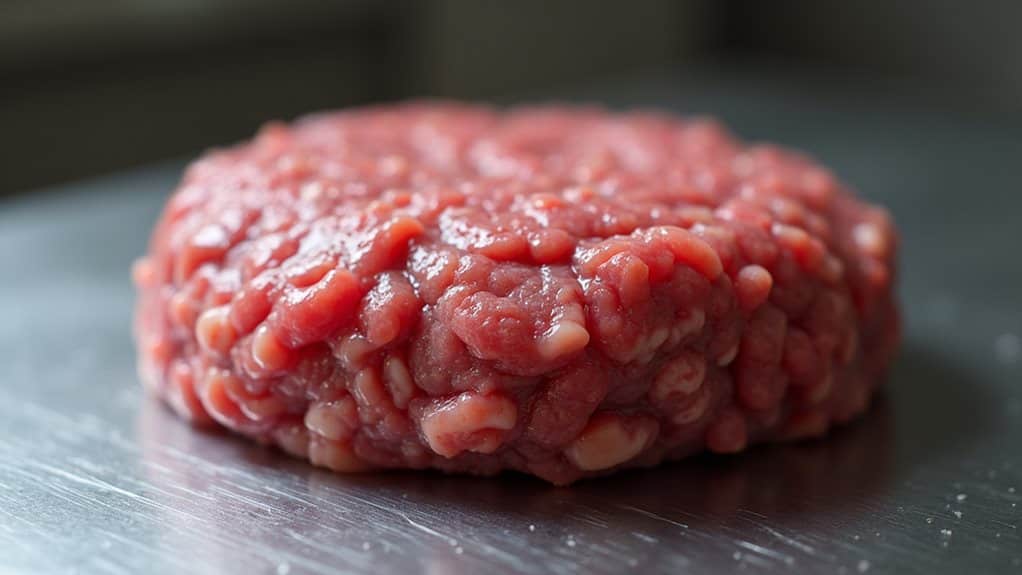
Gray ground beef doesn’t automatically mean it’s unsafe to eat, but it’s understandable to feel concerned when you see that color change.
Usually, gray beef results from oxidation, not spoilage bacteria, especially if it has a firm texture and no foul odor.
If it looks and smells normal, it’s generally safe to cook and eat, reducing risk of food poisoning.
Using a vacuum sealer with double heat seal technology can also help maintain vacuum integrity during freezer storage and reduce oxidation-related color changes over time.
Why Does Ground Beef Turn Gray Even When It’s Not Spoiled?
When you notice your ground beef has turned a dull gray, it’s often due to natural chemical processes rather than spoilage.
The gray color results from oxidation of myoglobin, a pigment in meat, which occurs when oxygen exposure is limited. This discoloration, common after refrigeration or vacuum sealing, doesn’t indicate spoilage, so food safety and meat quality remain unaffected. Similar to how oxidation can affect other foods during cooking, color changes don’t always signal that something is unsafe to eat.
How Do Storage and Oxygen Exposure Affect Beef Color?
Exposure to oxygen plays a key role in determining the color of beef. When beef contacts oxygen, myoglobin oxidizes, turning meat from purple to bright red, indicating freshness.
Limited oxygen contact during storage can cause beef to turn gray or brown, especially in airtight packaging or when stored for a long time. This color change doesn’t mean the meat is spoiled.
Just as a pizza stone is designed to absorb heat and distribute it evenly, storage conditions can influence how evenly oxygen reaches the surface of ground beef and affects its color.
When Should You Be Concerned About Grayness in Your Ground Beef?
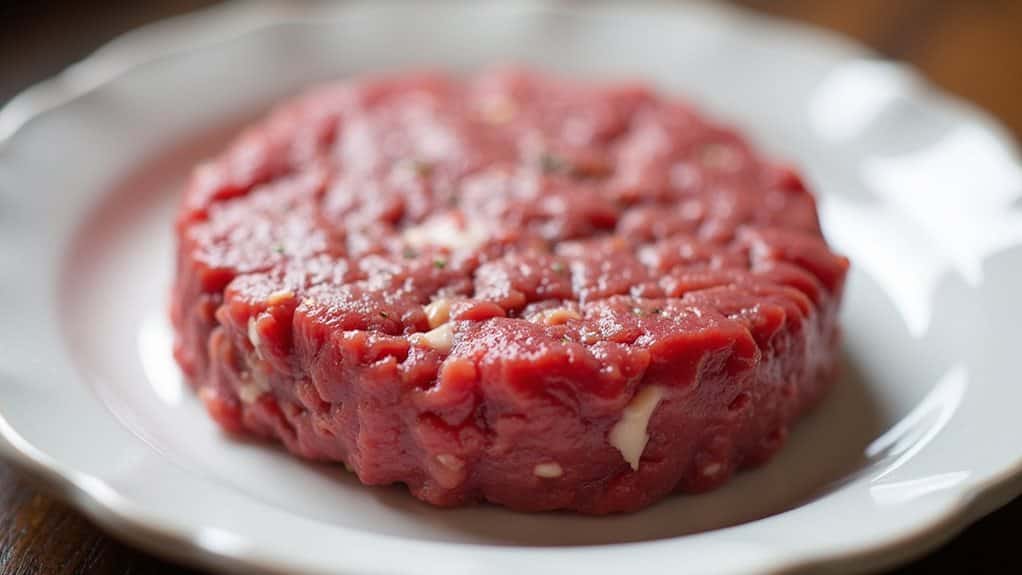
Noticing a gray tint on your ground beef doesn’t automatically mean it’s spoiled, but it’s a sign to take a closer look.
If the discoloration covers the entire surface or interior and is accompanied by a bad odor, slimy texture, or other spoilage signs, it’s best to discard the meat.
Just as signs of rancidity in oils include an off smell and unpleasant taste, foul odor is a key warning sign that meat should be thrown out.
Safe food handling is essential to prevent food safety risks.
How to Store and Handle Ground Beef to Keep It Fresh
To keep ground beef fresh and safe to eat, proper storage and handling are essential.
Store it in the coldest part of your refrigerator at or below 40°F, using it within 1-2 days.
Keep it in airtight packaging to prevent discoloration and spoilage.
Freeze in vacuum-sealed or tightly wrapped packaging to avoid freezer burn for up to 4 months.
Wrapping Up
In conclusion, seeing gray in your ground beef doesn’t automatically mean it’s spoiled. It’s often caused by oxygen exposure or storage conditions, not bacteria. To keep your beef fresh and safe, store it properly in the refrigerator or freezer, and use it within recommended timeframes. Always trust your senses—if it smells bad or feels slimy, discard it. Understanding these signs helps you handle ground beef responsibly, ensuring your meals are both safe and delicious.


