
Peanut butter is a popular food item that is enjoyed by many people worldwide. It’s a spreadable topping often used on bread, and crackers and as a critical ingredient in many recipes. However, some debate is whether peanut butter should be classified as a condiment made with peanuts rather than a spread.
A condiment is a substance added to food to enhance flavor or complement its taste. Examples of common condiments include ketchup, mustard, mayonnaise, and relish on hamburgers. While some argue that peanut butter should be considered a condiment because it enhances the flavor of other foods, others say it’s not a condiment because it’s primarily used as a spread.
In our guide, you can learn more about what food group is peanut butter in. We’ll examine the definition of a condiment and analyze how peanut butter fits into that definition. We will discuss the nutritional benefits of peanut butter and its versatility as a food item. By the end, you’ll have a better idea what food group does peanut butter belong to and what the benefits are of using peanut butter as a condiment or as a spread for meat. (Read Can You Freeze Crumbl Cookies)
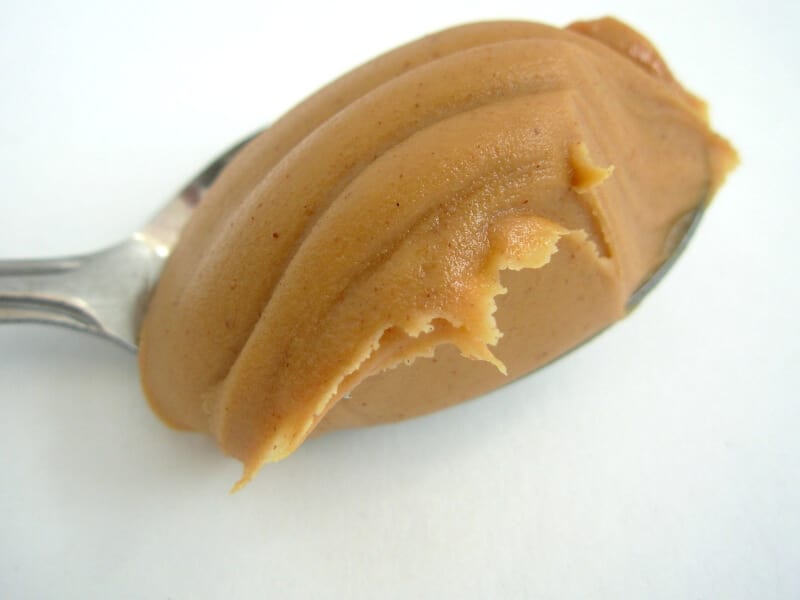
What Is A Condiment?
A condiment is a food item added to another food to enhance its flavor or taste, and a condiment can be added as part of the cooking process in recipes. It is typically used in small quantities and can be solid or liquid. Popular condiments include peanut butter, butter, ketchup, mustard, mayonnaise, and hot sauce.
Condiments can add flavor to various foods, including sandwiches, burgers, hot dog, hamburger, hot sauce, and salads. They can also be used as a dipping sauce for vegetables or crackers. Besides enhancing food taste, some condiments can also provide nutritional benefits. For example, peanut butter is a good protein and healthy fats source, while mustard contains antioxidants and can aid digestion.
Overall, condiments play an essential role in the food world, allowing individuals to customize their meals to their liking and add flavor and nutrition to their diet. (Learn How Long Does Melted Chocolate Take To Harden)
Is Peanut Butter a Condiment?
Peanut butter is a delicious and popular food that people of all ages around the world enjoy. However, there is often confusion about whether peanut butter is a condiment; peanut butter is also used as a spread. So, the answer is not entirely straightforward and can depend on how it is used.
- A condiment is a substance that enhances flavor, such as ketchup or mustard.
- A spread is a thicker substance that covers or coats food, such as jam or plain butter.
Peanut butter shares some characteristics with both condiments and spreads.
Crunchy peanut butter is often used as spreadable toppings on bread, toast, pancakes, and crackers for snacks. In this context, it would be considered a spread-like fruit preserve (jelly).
However, peanut butter is also used as an ingredient in other foods, peanut sauce, dips, and dressings, making it a condiment in these cases. One prime example is foods and dishes like the recipe Pad Thai noodles, or more recently, a couple of tablespoons added to smoothies.
Ultimately, the peanut butter food group of a condiment or spread depends on how it’s being used.
However, most people think the thick, creamy consistency and everyday use as a whole jelly sandwich or filling, such as the popular peanut butter and jelly sandwich kids love, makes peanut butter a spread.
What Are The Health Benefits of Peanut Butter?
Peanut butter is a popular food that many people around the world enjoy. Not only is it delicious, but it also provides several health benefits. Here are some of the health benefits of peanut butter:
- Protein: Peanut butter is a great source of protein, which is necessary for the body’s tissue growth and repair.
- Heart health: Peanut butter is high in monounsaturated and polyunsaturated fats, which are suitable for heart health.
- Fiber: Peanut butter is a good source of fiber, which can help promote digestive health and reduce the risk of heart disease.
- Vitamin E, magnesium, and potassium are just a few of the vitamins and minerals found in peanut butter.
- Weight management: Contrary to popular belief, peanut butter can help manage weight. The high protein and fiber content can help keep you feeling full for longer, reducing the likelihood of overeating.
Reduced risk of chronic diseases: Studies have shown that consuming peanut butter can help reduce the risk of chronic diseases such as type 2 diabetes and cancer. Peanut butter is a nutritious food that can provide several health benefits when consumed in moderation as part of a balanced diet.
Slices of apples and peanut butter between slices of bread make a quick and easy healthy lunch or snack. However, the number of calories in peanut butter is relatively high—the calories in two tablespoons of peanut butter range between 190 and 200. (Read Can You Eat Cinnamon Rolls After The Expiration Date)
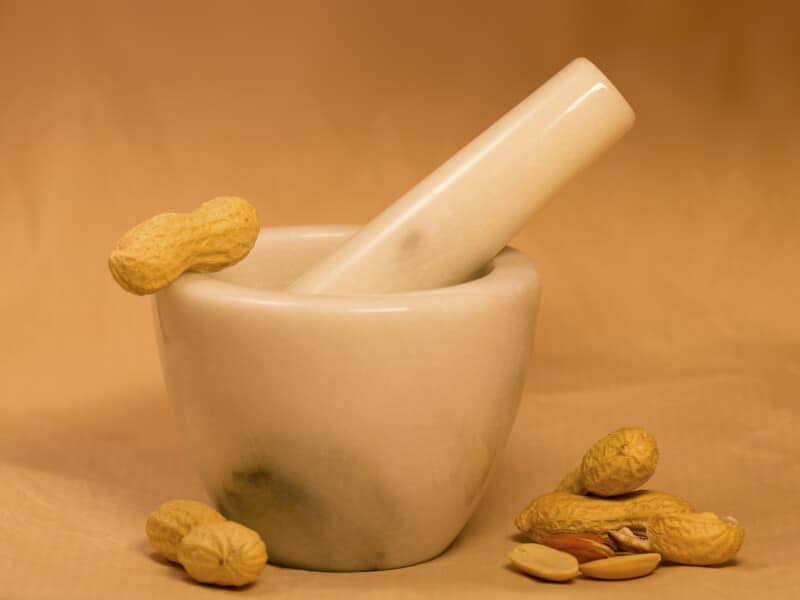
How Is Peanut Butter Made?
Peanut butter is a popular and nutritious spread made from ground peanuts.
Making peanut butter typically involves roasting peanuts, removing the skin, and grinding them into a smooth paste. Other ingredients are then added to enhance the flavor and texture of the peanut butter. Some peanut butter is plain butter but with added oil to make it smoother and creamier.
Several methods are used to make peanut butter, including using mortar and pestle and modern techniques that use machines. Making peanut butter is simple and can be done at home with a food processor or blender.
It is important to note that homemade peanut butter may have a slightly different texture and flavor than store-bought versions because of the varying ingredient ratios.
Here is a step-by-step guide on how to make peanut butter:
- Start by selecting high-quality, raw peanuts. They should be fresh and free of any mold or unpleasant odors.
- Preheat your oven to 350°F (175°C). Spread the peanuts on a baking sheet and roast them in the oven for 10-15 minutes. Monitor them to ensure they don’t burn.
- Once the peanuts are roasted, remove them from the oven and let them cool for a few minutes. Then, transfer them to a food processor.
- Turn on the food processor and let it run for a few minutes until the peanuts are ground into a paste. At first, the mixture will be crumbly, but as you continue to process it, it will become smoother.
- If the peanut butter is too thick, add a small amount of oil, such as vegetable or peanut oil, to help it reach your desired consistency.
- Once the peanut butter is smooth, transfer it to a jar or airtight container and store it in the fridge.
That’s it! Making peanut butter at home is easy and allows you to customize the flavor and texture. If you are wondering about crunchy peanut butter, add chopped pieces of peanut into the mix. It is possible to use a meat grinder if making small batches of peanut butter.
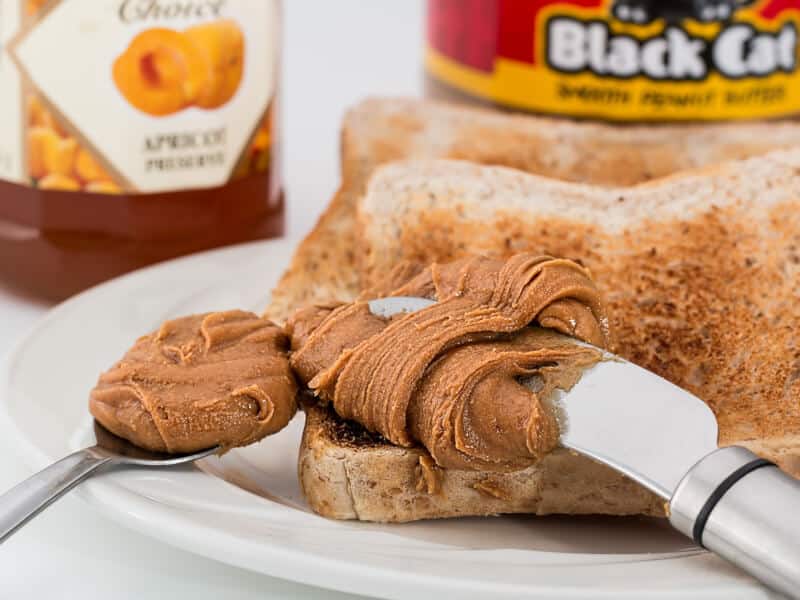
How Is Peanut Butter Used?
Peanut butter is a versatile food item that can be used in various ways. It can be spread on bread or crackers, added to smoothies or oatmeal, and used as a dip for fruits and vegetables. It can also be used as an ingredient in baked goods, such as cookies and cakes, and as a topping for ice cream.
One widespread use of peanut butter is in savory dishes. It can be used as a base for sauces or marinades, added to stir-fries or curries for extra flavor and creaminess, and used to make peanut sauce for dishes such as satay.
Another way to use peanut butter is to create sweet treats. It can be used as a filling for chocolate cups, mixed with honey or maple syrup to make a spreadable topping for pancakes, waffles, energy balls, or granola bars.
Peanut butter can also make dips and spreads. It can be mixed with cream cheese or Greek yogurt to make a savory vegetable dip or blended with bananas or applesauce to make a sweet fruit dip.
Many individuals add a spoonful to celery sticks with a dash of salt to eat as a snack. In short, peanut butter is a versatile and delicious food that can be used in various sweet and savory dishes. (Learn How Long Are Deviled Eggs Good For In Fridge)
Are Peanuts and Peanut Butter Suitable for Diabetics?
Diabetes is a chronic condition that affects how your body processes sugar. As a result, people with diabetes must be careful with their diet, especially when consuming foods high in sugar, salt, or fat. Peanuts and peanut butter are often considered healthy snacks, but are they suitable for people with diabetes?
Peanuts are an excellent source of protein, fiber, and healthy fats but contain carbohydrates. This means that people with diabetes should be mindful of their portion sizes when eating peanuts.
Peanut butter usually contains added sugar and salt, which can increase the calorie count and make it less suitable for people with diabetes. However, many brands of peanut butter are low in sugar and salt, so it’s essential to read the labels carefully.
Eating peanuts and peanut butter in moderation can be a healthy addition to a diabetic’s diet. However, consuming too much of either can lead to weight gain, which can worsen the symptoms of diabetes.
As with any food, the answer is to practice portion control and monitor your blood sugar levels when incorporating nuts or peanut butter into your diet or in your favorite dish.
What Food Group Is Peanut Butter In?
Peanut butter is primarily categorized as part of the protein food group because of its high protein and fat content. It contains healthy fats, making it an excellent source of energy. The high protein and fat content in peanut butter also makes it a filling food that can help you stay full for extended periods, reducing the urge to snack on less healthy options.
Peanut butter also contains fiber, an essential nutrient that helps regulate digestion and prevent constipation. The presence of vitamins and minerals, such as potassium, magnesium, and vitamin E, makes peanut butter a healthy food option.
In summary, a spoonful of peanut butter offers a protein-rich food that belongs to the protein food group. It contains healthy fats, fiber, vitamins, and minerals, making it a nutritious food choice for individuals looking to maintain a balanced diet.


