
Your almonds can stay fresh for a long time if you store them right. Natural almonds can last up to 2 years, and roasted ones around 1 year. Keep them in a cool, dry place in a sealed container to prevent mold and bacteria. You can even extend their freshness by refrigerating or freezing them. Just make sure to keep them away from moisture, air, and heat. This way, you can enjoy your crunchy almonds for longer. If you want to know more about how to keep them fresh and spot if they've gone bad, keep reading!
TLDR
- Almonds can spoil if not stored right. Natural almonds stay good for up to 2 years, while roasted ones last about 1 year.
- If almonds are kept in a hot or humid place, they can go bad. This can lead to mold, bacteria, and a yucky taste.
- Signs that almonds have spoiled are a bad smell, taste, mold, color change, or mushiness. If you see these, throw them away to stop germs from spreading.
- To keep almonds fresh, store them in a cool, dry spot like the fridge or freezer. Freezing can make them last up to 2 years.
- Check almonds often for spoilage to keep them fresh and safe.
Understanding Almond Shelf Life
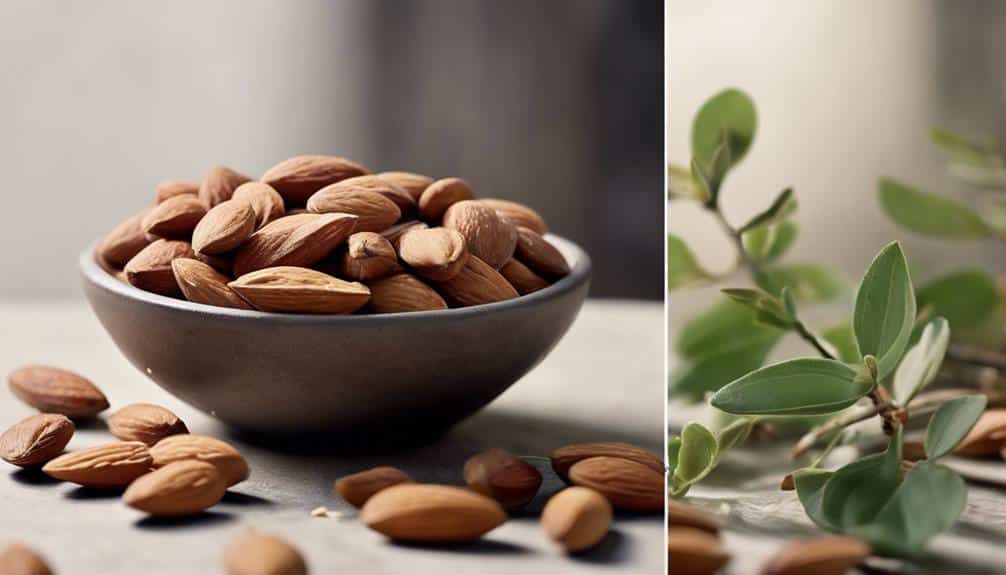
When you keep almonds in the right way, they can stay fresh and crunchy for up to two years for natural almonds and one year for roasted almonds. This is because the cool and dry environment stops mold and bacteria from growing. As someone who loves almonds, it's important to know how storing them well can keep them tasting great. By putting almonds in airtight containers in a cool, dry spot, you can slow down how quickly they go bad. This means you can enjoy their nutty taste and crispy texture for a longer time. Storing them correctly is the key to making sure your almonds remain a healthy and delicious snack for you to munch on.
Factors Affecting Freshness
You may have wondered why almonds can go bad. The reason is because of a few things that affect how fresh they are, like exposure to air and their natural fat content. Almonds contain healthy fats that can go bad when exposed to air, especially if kept at room temperature. Storing them properly, like in the fridge or freezer, can help them stay fresh longer. Almonds last a while compared to other nuts because they have antioxidants. Knowing these things can help you store your almonds right and enjoy them for longer.
Signs of Spoilage

Make sure to check your almonds often to see if they're still good. Almonds can go bad fast if not stored right. Look for a bad smell, weird taste, mold, color change, or if they feel mushy. These are signs they're spoiled and not safe to eat. If you spot any of these signs, throw them away in a closed container to avoid spreading germs. Checking regularly will help keep your almonds fresh and safe to eat.
Storing Raw Vs Roasted Almonds
To keep your raw and roasted almonds fresh longer, store them differently. Raw almonds stay good for up to two years, while roasted ones last about a year. Store raw almonds in a cool, dry place with low moisture (below 6%). Roasted almonds have more oil and can go bad faster, so keep them in an airtight container. By storing them right, you can enjoy your almonds for longer. Remember, to keep almonds fresh, avoid moisture and heat. Follow these easy tips to keep your almonds tasty for a long time.
Refrigerating and Freezing

When it comes to keeping almonds fresh in the fridge or freezer, you might be wondering how to do it right. Let's talk about why it's important to store them in a cool, dry place and how this affects how long they stay good when frozen. Understanding these things will help you enjoy your almonds for a longer time without losing their quality.
Cool, Dry Storage
To keep almonds fresh for longer, store them in the fridge or freezer. These cold places slow down spoiling. Use sealed containers or bags to shield them from moisture and smells. Keep them in a dark, cool spot away from sunlight to protect their taste and nutrients. By managing where you store them, your almonds will last longer. Just pop them in the fridge or freezer to maintain their freshness.
Frozen Shelf Life
Keeping almonds in the freezer can make them last much longer, so you can enjoy their freshness and health benefits for a while. When you store almonds in the freezer or fridge in a sealed container, they can stay good for up to two years. Freezing stops moisture and air from getting to the almonds, which can make them go bad. Freezing is a good way to keep almonds fresh and nutritious for a long time. It's a great option for storing them for a while, as it helps keep their moisture. By freezing them, you can keep enjoying your almonds for longer without worrying about them going bad.
Maximizing Freshness and Flavor
To keep your almonds fresh and tasty, store them in a cool, dry place that's not in direct sunlight or near heat. Use an airtight container to keep them fresh for longer. Almonds last longer when kept away from oxygen, light, and heat. This way, you can enjoy their delicious nutty flavor and crunchy texture for a while. Remember, proper storage is crucial to keeping your almonds fresh and yummy.
Special Considerations

When you look into almonds, think about how to keep them fresh, how long they stay good, and how to tell if they've gone bad. Knowing these things will help you enjoy your almonds for longer.
Storage Conditions Matter
To keep your almonds fresh longer, store them in a cool place around 50°F/10°C with low moisture. Use an airtight container to seal in freshness. Avoid damp areas as moisture can spoil the almonds. A pantry or cupboard works best for storage. Good packaging matters too. Keep them sealed tight in the right conditions to enjoy them longer.
Shelf Life Expectancy
The shelf life of your almonds depends on how they're stored and what form they're in. Natural raw almonds can last around two years, while roasted almonds stay fresh for about a year. Keeping almonds in an airtight container can help them last longer. Store them in a cool, dry place, not where it's hot and humid. You can even freeze them to make them last even longer. Good storage and packaging will help your almonds stay fresh so you can enjoy them for a long time.
Rancidity Detection Tips
To make sure you're getting the best nutrients from your almonds, it's important to spot rancidity early. Rancidity happens when the fats in almonds go bad. To check for rancidity, sniff for a sour or musty smell, taste for a bitter or bad flavor, or look for mold or a weird color. If you see any of these signs, throw away the almonds. Storing them in sealed containers, away from heat and light, can help prevent rancidity. Remember, rancid almonds lose their goodness and could upset your stomach if you eat them. Don't take the risk – get rid of bad nuts right away to avoid any health problems.
Identifying Almond Spoilage
When you open a pack of almonds, check them for any signs of spoilage like mold, strange colors, or a slimy feel. If you see any of these, it means the almonds are no good. Spoiled almonds can make you sick, so it's essential to spot the signs early. Look closely at the almonds' color, smell, and texture. If they taste bitter or smell off, they're probably spoiled. Don't risk it – throw away spoiled almonds in a sealed container to avoid getting sick. Remember, almonds spoil when they get wet, hot, exposed to light, or air, so storing them properly is crucial.
Advanced Storage Options

When you think about fancy ways to store your almonds, remember how important airtight containers are for keeping them fresh. Using airtight containers can make your almonds last longer, so you can enjoy them for a while. By using airtight containers along with other smart storage methods, you can keep your almonds fresh and tasty.
Airtight Containers Matter
Choosing airtight containers helps keep your almonds fresh and tasty. Store almonds in the fridge to preserve their flavor and texture. Airtight containers block out moisture, air, and odors that can spoil them. Try using foil pouches or vacuum-sealed bags for the best preservation. These containers prevent staleness and maintain freshness for longer. Picking the right airtight container ensures you can enjoy the nutritional benefits and delicious flavor of your almonds for an extended period.
Proper Shelf Life
You can make your almonds last longer by using better storage methods. Vacuum sealing is one way to do this – it removes air and keeps the almonds fresh for a long time. Refrigerating or freezing them also helps to keep them fresh. With these techniques, your almonds can stay good for up to two years because of their antioxidants. Using the right storage methods and techniques will help you enjoy your almonds for a long time while keeping them fresh.
Buying and Selecting Quality
When picking almonds, go for ones with unbroken shells, as they are likely fresh and top-notch. Look for almonds that feel dense for their size, showing they have more oil and richer taste. Check for any signs of mold, odd colors, or strange smells, which could mean they're spoiled. Choose almonds sealed in airtight packages to keep them fresh and safe from moisture and air. Consider getting almonds from well-known brands or trusted sources for the best flavor and longevity. With these tips, you can select fresh, high-quality almonds that stay fresh longer and taste great.
Conclusion
Now that you know how long almonds last and how to keep them fresh longer, you can enjoy them for months. Just store them right, check for spoilage, and think about special factors. Always pick fresh, quality almonds and store them well. Soon enough, you'll be happily snacking away!


