
Curious if ramen noodles go bad? Yes, they can expire, but you can make them last longer with good storage. Instant ramen can stay good for up to a year, and fresh noodles for about two weeks in the fridge. Look out for signs like mold, strange smells, or changes in how they look. Keep them in a sealed container in a cool, dry spot to keep them fresh and safe. By doing this, you can enjoy your ramen for a while. Want more tips on keeping your ramen noodles fresh?
TLDR
- Ramen noodles can go bad, but they last a long time because of preservatives and how they're stored.
- Instant ramen can stay good for about a year if you keep it in the right place, but fresh noodles only last around two weeks in the fridge.
- The date on the package is more of a suggestion than a strict rule, so the noodles might still be okay to eat after that date.
- If the noodles smell weird, look strange, or have mold on them, they're not safe to eat.
- To keep your ramen fresh and safe, store it in a cool, dry spot in a sealed package.
Understanding Ramen Noodles

When you open a pack of ramen noodles, you'll find a tasty and long-lasting meal. So, why do ramen noodles last so long? It's because they have preservatives and are stored properly. Whether it's instant or fresh, ramen noodles can stay good for a while. Instant ramen can last up to a year if you store it right, while fresh noodles need to be kept in the fridge and can last up to two weeks. To keep them fresh and safe, store them in a cool, dry place away from moisture. Watch out for signs like bad smell, changes in appearance, or mold. Knowing these things will help you enjoy your ramen noodles when they're still fresh and safe to eat.
Shelf Life of Ramen
Ramen noodles can last a long time if stored properly thanks to preservatives. The best-by date is just a guideline, not an expiration date. To make your ramen last even longer, keep it in a cool, dry place in a sealed package. This will help keep its taste fresh and prevent it from going bad. The exact shelf life can vary, but overall, it's pretty long. Just store it right, and you can enjoy your ramen for a while without any worries.
Factors Affecting Shelf Life
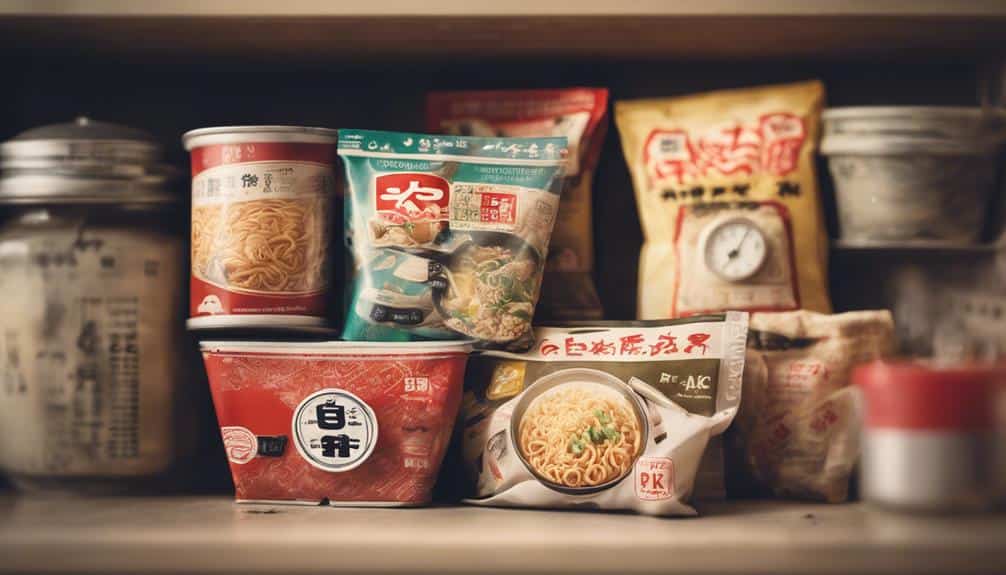
Various things like where you store your ramen noodles, how they are packaged, and if they have preservatives affect how long they last. So, how long can ramen noodles stay good? It all depends on these factors. Storing them in a cool, dry place can help them last longer. Keeping the packaging intact is also important to avoid spoilage and keep them fresh. Preservatives in the noodles help stop mold and bacteria from growing, which helps extend their shelf life. With the right storage and packaging, your ramen noodles can last from 8 months to 2 years before they expire.
Proper Storage Practices
To keep your ramen noodles fresh longer, store them in a sealed container. This will protect them from moisture and air. Keep them in a cool, dry place to enjoy them for a longer time.
Airtight Container Storage
Keeping your ramen noodles in an airtight container is super important. It helps protect them from getting wet and dirty, so they stay tasty and fresh for a long time. This type of storage stops mold and bacteria from growing, which keeps your noodles good to eat for longer. When you use an airtight container, your ramen noodles will stay yummy and not go bad. Remember, storing your ramen noodles properly in an airtight container is the way to go to keep them fresh and delicious.
Cool Dry Places
To keep your ramen noodles fresh for longer, store them in a cool, dry place to protect them from moisture and sunlight. This helps preserve their quality and taste until the expiration date. Proper storage is important to prevent spoiling and to keep the packaging intact. Storing them in a cool, dry spot reduces the risk of pests and damage. Use airtight containers, keep them away from sunlight and moisture. By following these tips, you can extend the shelf life of your ramen noodles and ensure they're safe to eat.
Identifying Spoiled Ramen Noodles

Before cooking your ramen noodles, check for signs of spoilage. Look for mold, odd colors, or strange smells. If the noodles are way past the expiration date, they might be spoiled. Don't risk your health by eating them. It's safer to throw them out if you're unsure. Always prioritize food safety to avoid getting sick.
Health Considerations and Risks
Eating spoiled ramen noodles can make you very sick. Bacteria like Staphylococcus aureus, Bacillus cereus, and Clostridium perfringens can grow quickly on old or poorly stored noodles, causing food poisoning. Pay attention to the expiration date and store noodles correctly to prevent bacteria from multiplying. If noodles look moldy, have strange colors, or smell bad, throw them out right away. Eating spoiled noodles can lead to serious food poisoning. To stay safe, always check for signs like mold, discoloration, and bad smells. It's important to eat ramen noodles before they expire and store them properly to avoid getting sick.
Cooking and Consumption Tips

When cooking and eating ramen noodles, it's important to store them properly to make them last longer. This way, you can enjoy your noodles without worrying about them going bad. Let's look at some important tips for storing and eating your ramen noodles.
Proper Storage Matters
You can make your ramen noodles last longer by storing them correctly. Whether you have instant or fresh noodles, storing them properly will prevent them from going bad and keep them safe to eat. After cooking ramen noodles, put them in the fridge and eat them within 2-3 days. To keep them fresh for up to 2 months, freeze fresh or pre-cooked noodles. Watch out for signs like mold, bad smells, or color changes, which mean they're no longer good to eat. By storing your noodles the right way and paying attention to these signs, you can avoid getting sick and enjoy your ramen for a longer time.
Shelf Life Extension
To keep your ramen noodles tasting great for longer, follow these easy tips. Cook them just right – not too soft or too hard – for the best texture and flavor. Store any leftovers in sealed containers in the fridge or freezer to keep them fresh. Check the expiration dates and use the seasoning packets before they go bad. By following these steps, you can enjoy delicious ramen noodles at their best.
Safe Consumption Period
Make sure to cook your ramen noodles right away and eat them within a few days for a safe and tasty meal. This way, you can enjoy your noodles before they go bad. Cooked ramen noodles can last 2-3 days in the fridge and up to two months in the freezer. Unopened packs can be kept at room temperature for a long time due to their long shelf life. Just check for any signs of spoilage like mold, weird colors, or strange smells before eating. Store your noodles properly to keep them fresh and eat them soon to prevent them from going bad and causing illnesses. Following these tips will help you enjoy your ramen noodles while they're fresh and safe to eat.
Creative Uses for Expired Ramen
Expired ramen noodles can still be tasty when used in different ways. You can sprinkle them on salads, mix them into meatloaf, or use them to flavor meats. Don't waste them! Instead of throwing them out, get creative. Try them as crispy salad toppings or as a substitute for breadcrumbs. You can also cook them in stir-fries, casseroles, or soups. Think outside the box and use expired ramen in fusion dishes or as a crunchy coating for fried foods. Experiment with them to reduce waste and discover new flavors. Have fun trying out your own ideas to repurpose expired ramen!
Myths and Facts About Ramen

When you're learning about ramen noodles, you might have questions about how long they last. Let's clear up the confusion and talk about the truth behind ramen expiration dates, how to store them, and what impacts their shelf life. We'll dive into the real deal about ramen noodles and how to keep them fresh for a long time.
Ramen Shelf Life
Did you know that the 'best by' date on ramen noodles is more of a suggestion than a strict rule? The shelf life of ramen noodles depends on how they're stored, the packaging, and if preservatives are used. If you keep your ramen noodles in a cool, dry place in a sealed package, they can last a long time. While the expiration date gives you an idea, it's important to consider these factors to make sure your ramen noodles are still good to eat.
Ramen Expiration Dates
Curious about ramen expiration dates? Turns out, they're more like suggestions than strict rules. The shelf life of ramen noodles can change based on how and where you store them. Preservatives in the noodles help them last longer, but watch out for signs like mold, odd smells, or color changes. If you store unopened ramen noodles correctly, they can stay good for about two years. Just be sure to spot any signs of spoilage to keep your meal safe and tasty.
Ramen Storage Tips
Storing ramen noodles the right way is crucial to keep them fresh and safe. It's easy to do! Keep unopened ramen noodles in their sealed packaging at room temperature in a cool, dry spot. This helps them last longer and stay good. Remember to check the expiration date, but it's more of a suggestion than a strict rule. When you're ready to cook, just follow the instructions on the package. If you've opened or cooked the noodles, put them in the fridge right away to avoid spoilage signs like mold, color changes, or strange smells. By following these simple tips, you can enjoy your ramen noodles for a while!
How Long Do Ramen Packets Last
Ramen packets can stay good for 8-12 months if stored well. The date on the packet shows when it's best to eat, not if it's safe. Even after that date, they're usually fine to eat if stored right. Watch out for any strange smells, colors, or mold. If you see any, it's safer to throw it away. By storing them correctly, you can enjoy your ramen packets for longer without any worries about safety or quality.
Safety and Consumption Guidelines

Eating expired or bad ramen noodles can make you sick, so it's important to be safe. Always check the expiration date and look for signs like mold, bad smells, or strange colors before eating. Keep your ramen noodles in a cool, dry place to make sure they stay good. It's best to eat them before they expire to avoid getting sick. By following these safety tips, you can enjoy your ramen noodles without worrying about getting food poisoning. Remember, it's better to be safe than sorry when it comes to your health.
Conclusion
So, you now know that ramen noodles can go bad, but if you store them correctly, they can stick around for a while. Just check the package for any signs of spoilage and give them a sniff before you eat them. If they're not good anymore, get creative and find a new way to use them. Most importantly, make sure to eat your ramen within a reasonable time. Now, go ahead and enjoy your safely stored ramen!


