
Yes, grits can go bad, especially stone-ground varieties that spoil faster due to natural oils. Store dry grits in an airtight container in a cool, dry place—freezing extends freshness for stone-ground types. Instant grits last years unopened; cooked grits keep 3–5 days refrigerated. Toss them if you spot mold, odd smells, or black specks. Add dairy? Refrigerate and eat within 2–3 days. Use the right container, and you’ll keep every batch tasting fresh. There’s more to know about getting it just right.
Quick Guide
- Dry grits can go bad over time, especially stone-ground varieties, which last about 1 year due to natural oils that may turn rancid.
- Store unopened or opened dry grits in airtight containers in a cool, dry place to prevent moisture, pests, and spoilage.
- For longer freshness, keep stone-ground grits in the freezer, extending their shelf life to 6–12 months.
- Discard grits if they develop off smells, discoloration, mold, or new black specks not typical of natural germ particles.
- Cooked grits last 3–5 days refrigerated; add dairy or cheese only when serving to avoid quick spoilage.
Understanding the Shelf Life of Dry Grits
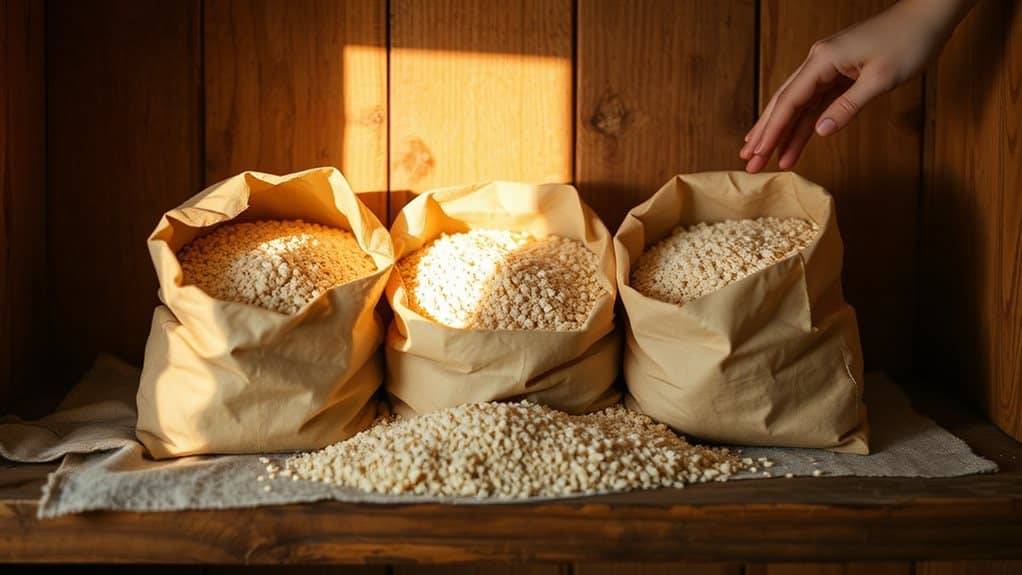
While dry grits might seem like a shelf-stable staple that lasts forever, they do have a limit—especially once opened.
Unopened, they stay good for up to a year past the printed date.
Once opened, use within 6 months.
Store in a cool, dry place in an airtight container to block moisture and keep them fresh. You can also do a quick visual inspection for freshness since it’s often more reliable than the printed date.
They are classified under cereals and share similar storage needs with other grain-based staples.
Instant vs. Stone-Ground: Which Lasts Longer?
You’ll find instant grits last longer than stone-ground, often staying good for 2–5 years in the pantry thanks to their processed nature.
Since stone-ground grits keep the germ and oils, they go rancid faster and do best in the freezer to stay fresh beyond a year. For best results, store them in an airtight container and keep them below 75% humidity to reduce the risk of mold.
Once opened, both types need airtight storage, but only stone-ground really benefits from cold storage to preserve flavor.
Storing stone-ground grits in the freezer helps prevent condensation in packages that can lead to mold growth.
Shelf Life Differences
Ever wonder why some grits seem to last forever while others don’t? Instant grits last 2–5 years past the best-by date because processing removes the germ.
Stone-ground grits, with their germ intact, stay fresh about a year in the pantry.
For longer storage, freeze stone-ground—they’ll stay best for 6–12 months—while instant grits do fine on the shelf.
Storage Needs Compared
How should you store your grits to keep them fresh the longest? Keep instant grits in a cool, dry pantry—they’re pre-cooked and stable.
But for stone-ground, skip the pantry; freeze them instead. The germ and oils spoil faster, so freezing prevents rancidity.
Use airtight containers for both, and avoid temperature swings to block mold and moisture.
Longevity After Opening
What makes one type of grit last considerably longer than the other after opening?
Instant grits, stripped of bran and germ, stay fresh 3–6 months in the pantry, even longer in the freezer.
Stone-ground grits spoil faster due to natural oils; store them in the freezer to extend freshness beyond the best-by date safely and effectively.
How Long Do Unopened Grits Really Last?
You can expect unopened instant grits to stay good for 2 to 5 years past the printed date if you keep them in a cool, dark pantry.
Stone-ground grits don’t last as long—about a year unopened—because their natural oils make them go bad faster.
No matter the type, storing them in a sealed container away from heat and moisture helps preserve freshness longer.
As with bread, avoiding storage in the fridge can help prevent faster staling caused by starch retrogradation.
Shelf Life by Type
Ever wonder why some grits seem to last forever while others don’t make it past a year? Instant grits last 2–5 years unopened, thanks to their fine grind and lack of bran.
Stone-ground varieties last about a year unless frozen.
Hominy and quick-cooking types are more stable, while whole-kernel versions need cooler storage to prevent rancidity.
Storage Impact on Freshness
When stored properly, unopened grits can stay fresh far beyond their printed date, but how long they last depends heavily on both the type and storage conditions.
Keep instant grits in a cool, dark, dry pantry for 2–5 years.
Store stone ground in the freezer to prevent rancidity, or in a sealed container for up to a year.
Signs Your Grits Have Gone Bad
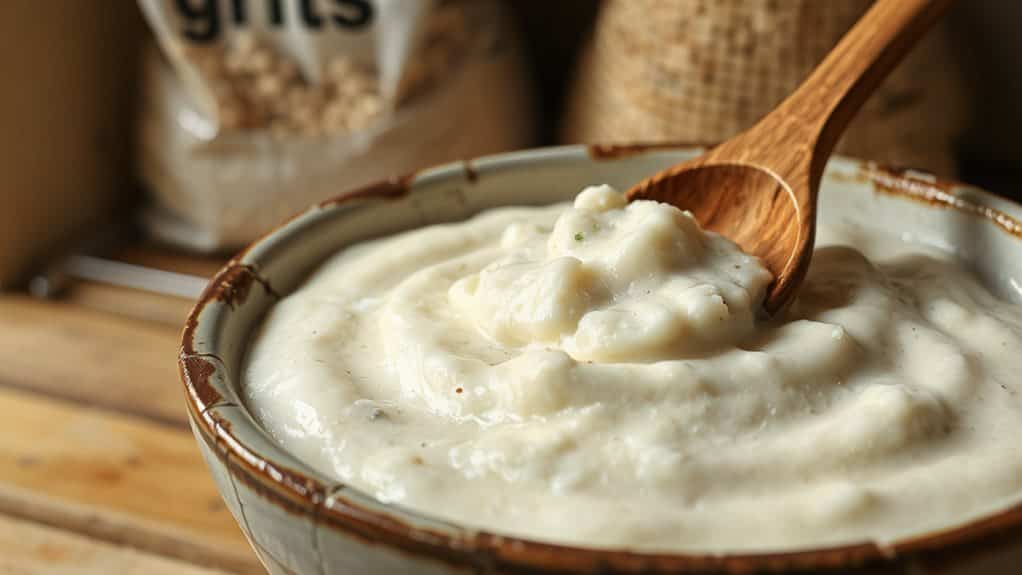
How can you tell if your grits are no longer safe to eat? Check for new black specks—these mean spoilage, unlike natural germ particles.
Notice a changed aroma or color? That’s a red flag.
Mold or odd smells in cooked grits? Toss them.
If they’ve been stored over 5–7 days or just look, smell, or taste off, don’t risk it—throw them out.
To reduce the risk of contamination, always use clean utensils when serving and storing grits.
Proper Pantry Storage for Maximum Freshness
To keep your grits fresh for as long as possible, store them the right way from the start.
Keep instant grits in a cool, dark, dry place, ideally below 75°F, and away from heat or sunlight.
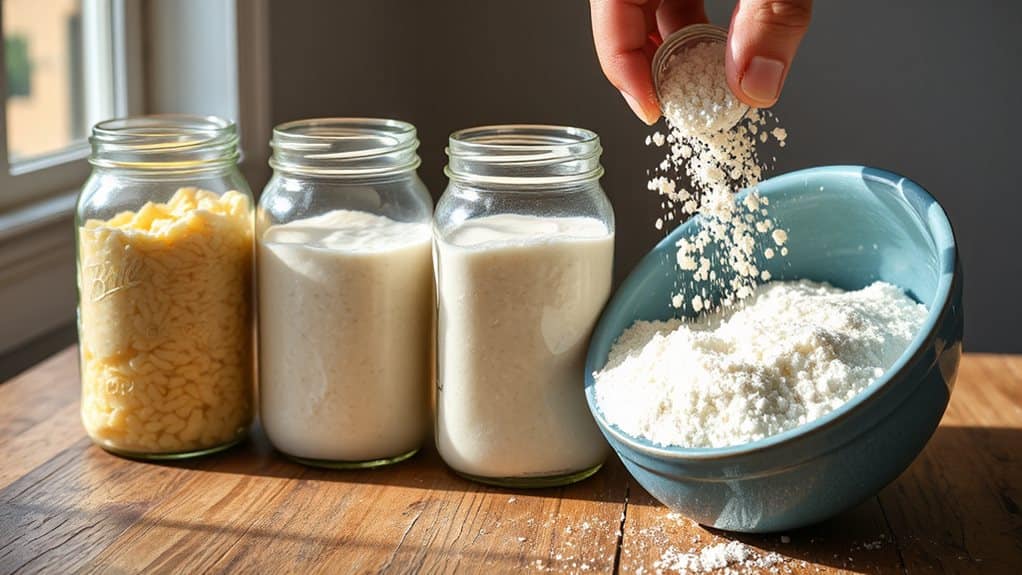
Use airtight containers or resealable packaging to block moisture and pests.
For long-term storage, add oxygen absorbers or vacuum seal in jars.
Choose airtight containers with reinforced rims or locking mechanisms to help maintain a reliable seal during long-term pantry storage.
Why Freezing Extends Grits Shelf Life
You’ve got your pantry organized and your grits safely tucked away in a cool, dark spot—but what if you want to keep them fresh even longer?
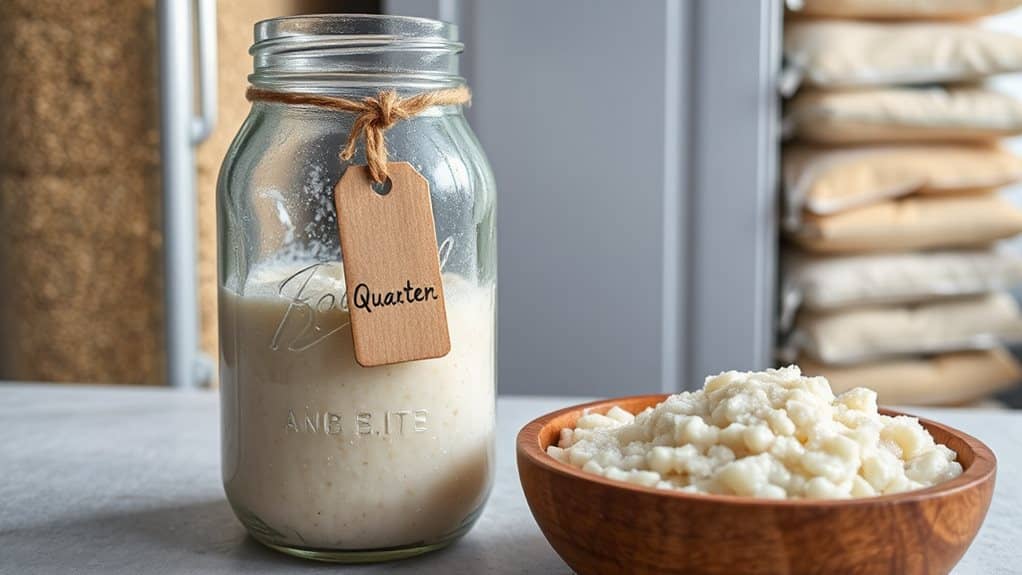
Freezing slows oil oxidation in stone-ground grits, preventing rancidity.
It blocks moisture and mold, preserves nutrients, and maintains flavor.
Stored airtight, they stay fresh for up to a year—doubling fridge life and far outlasting pantry storage.
Storing Cooked Grits Safely and Effectively
After cooking, storing your grits the right way guarantees they stay safe and tasty for later meals.
Cool them completely before refrigerating to prevent bacteria and condensation.
Use an airtight container or tightly cover with plastic wrap to lock in moisture and block fridge odors.
They’ll last 3–5 days, but always check for off smells, mold, or texture changes—when in doubt, throw them out.
How Added Ingredients Affect Storage Time
You’ll need to refrigerate grits once you stir in dairy, since milk and cream spoil quickly at room temperature.
Adding cheese or butter ups the fat content, which can turn rancid faster if left out too long.
Keep your seasoned grits cold to stay safe and maintain quality.
Dairy Shortens Shelf Life
Why does your bowl of creamy, comforting grits sometimes go bad faster than expected? Adding dairy cuts their shelf life.
Milk spoils quickly—even refrigerated, it lasts just days past expiration.
Butter, cheese, or cream in your grits introduce perishables that degrade faster than the grains.
Store dairy-enhanced grits promptly, and eat them within 2–3 days to avoid spoilage and waste.
Cheese Requires Cold Storage
With cheese as a popular addition to creamy grits, keeping it fresh depends on proper cold storage. You must refrigerate cheese at or below 41°F—soft types spoil fast, so toss them after two hours unrefrigerated.
Use cheese paper or wax wrap, not plastic, and store in the crisper drawer.
Hard cheeses last longer; soft ones, like cream cheese, only a week.
Butter Increases Spoilage Risk
While butter might seem like a simple kitchen staple, adding ingredients like herbs, garlic, or moisture-rich vegetables can considerably shorten its shelf life.
Fresh additions introduce moisture and microbes, speeding up spoilage.
Salt helps preserve butter, but flavored varieties last just 1–2 weeks in the fridge.
For longer storage, freeze them in airtight containers to maintain quality and safety.
Best Containers for Keeping Grits Fresh
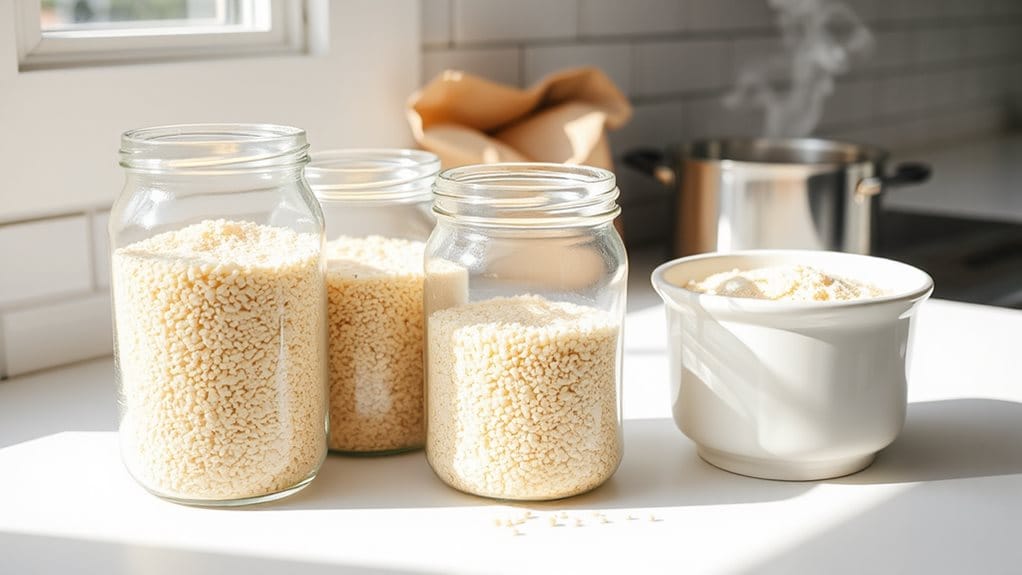
If you want your grits to stay fresh and flavorful, choosing the right container makes all the difference. Use airtight glass like Anchor Hocking TrueSeal or Rubbermaid Brilliance to block air and prevent spoilage.
Silicone-sealed options like Zyliss Twist & Seal work well too.
For fridge storage, try Stasher bags—they’re flexible and space-saving.
Stainless steel containers are durable and great for long-term pantry storage.
Reheating and Reviving Leftover Cooked Grits
You’ve stored your grits in an airtight container to keep them fresh, but now it’s time to bring them back to life. Add a splash of milk, water, or broth to prevent drying.
Reheat on the stovetop over low heat, stirring often, or microwave in short bursts, stirring between.
Covering traps steam, restoring creaminess. Adjust consistency as needed, and revive flavor with cheese or spices.
Wrapping Up
You now know grits can go bad, but they last a long time if stored right. Keep dry grits in a cool, dark pantry in an airtight container to preserve freshness. Stone-ground lasts slightly less time than instant, but both go bad if exposed to moisture or pests. Always check for off smells or bugs before cooking. Cooked grits need refrigeration and get eaten within a few days.


