
You get a grainy cheese sauce when the proteins denature or the fat separates, usually because the sauce gets too hot, you use processed cheese with anti‑caking agents, or you add the cheese too quickly. Fresh, well‑aged cheeses melt smoothly, but when they’re overheated or added off the heat they clump and form gritty particles. Keeping the temperature below boiling, whisking constantly, and adding finely grated, real cheese gradually prevents the texture from turning gritty, and the next sections show how to master these steps.
Quick Guide
- Overheating denatures cheese proteins, causing them to clump and create a gritty texture.
- Processed or pre‑shredded cheeses contain anti‑caking agents and emulsifiers that break down at high heat, forming grainy particles.
- Adding cheese directly to a boiling sauce separates fat and water, disrupting the emulsion and producing grit.
- Using overly aged or low‑moisture cheeses increases the risk of graininess because they melt less smoothly.
- Incorporating cheese gradually off‑heat while whisking maintains a stable emulsion and prevents grainy texture.
Quick Remedies to Stop Grainy Cheese Sauce
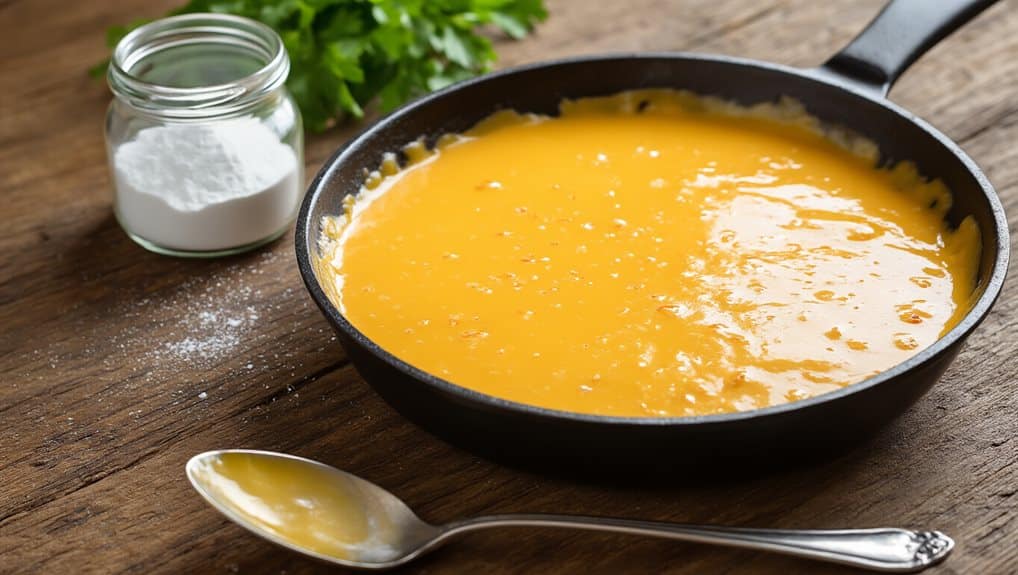
Cool the broken sauce, then whisk in a tablespoon of lemon juice or white wine, balancing acidity to avoid over‑souring.
If it’s overheated, drop an ice cube in while stirring continuously to lower temperature without watering down flavor. Keep any leftover sauce in a cool, dry spot using a sealed container to help prevent off smells or mold.
Keep cheese below its critical heat point and add it gradually while whisking. This restores smoothness fast.
Pre‑shredded cheese often contains anti‑caking agents that can cause graininess.
Why Cheese Sauce Gets Gritty – The Real Reason?
Ever wondered what actually makes a cheese sauce turn gritty instead of silky? It’s mostly the cheese you choose and how you treat it. Real, well‑aged cheeses melt smoothly, while processed varieties contain whey, emulsifiers, or anti‑caking agents that form grainy particles. Grating fresh cheese avoids those powders, and adding it slowly off heat prevents protein denaturation that also creates grit. Like dairy sauces made with frozen heavy cream, cheese sauce can turn grainy from fat separation when it’s overheated or cooled too quickly. Remove heat before adding the cheese to keep the emulsion stable.
How Heat Causes Grainy Cheese Sauce
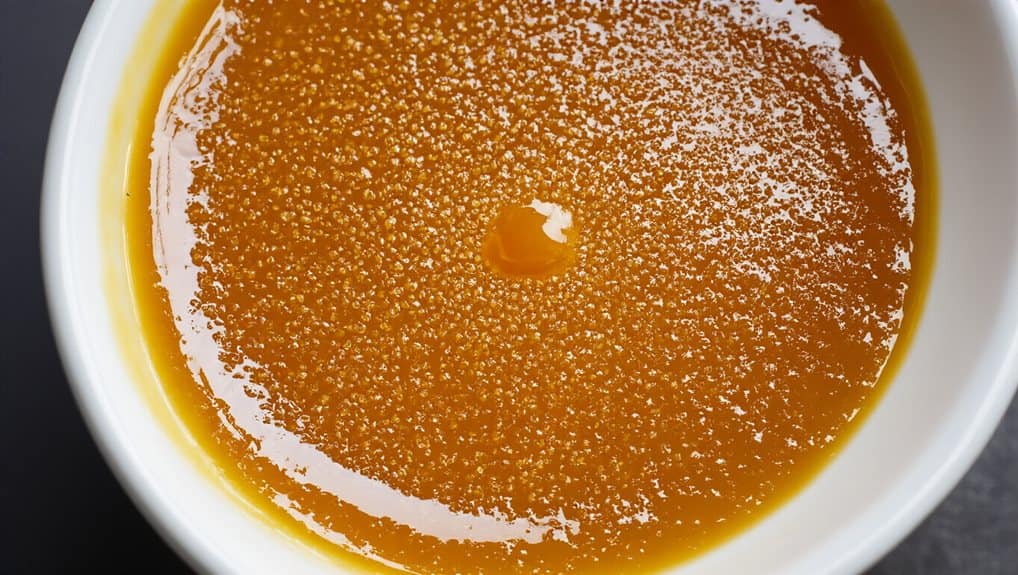
When you heat cheese past its denaturation threshold, the proteins unwind and seize, turning the sauce grainy.
If the temperature climbs too high, the emulsifiers that keep fat and water together break down, leaving gritty particles.
Keeping the heat moderate and adding cheese at the right moment prevents both protein clumping and emulsifier failure.
Just as heat can break a sauce, oxidation speeds food-quality breakdown when fats are exposed to heat, light, and air.
Protein Denaturation Thresholds
How does heat turn a silky cheese sauce into a grainy mess? When temperature climbs above 160 °F, cheese proteins—casein and whey—unfold and clump.
Those clumps push fats out of the emulsion, creating visible graininess.
Even‑aged cheddar tolerates a bit more heat, but pre‑grated cheese denatures faster.
Keep sauce below 150 °F, stir constantly, and add cheese off‑heat to stay smooth.
Excessive Heat Emulsifier Breakdown
Why does a cheese sauce turn grainy the moment it hits a rolling boil? Excessive heat forces emulsifiers like sodium citrate and casein to break down. As the temperature climbs past 170 °F, proteins seize, moisture is squeezed out, and oil‑water droplets coalesce. The weakened emulsion separates, forming gritty clumps. Keeping the sauce below boiling, whisking constantly, and adding cheese early prevent this breakdown.
How Cheese Type and Age Affect Grainy Cheese Sauce
Which cheese you choose and how long it’s been aging can make the difference between a silky sauce and a grainy disappointment.
Fresh, real cheeses like Fontina or well‑aged cheddar melt smoothly if you keep temperature around 150°F; overly aged cheddar loses moisture, creating grit.
Just as fats can turn rancid through oxidation, aged cheeses can develop off flavors and melt inconsistently when exposed to heat and air over time.
Processed cheeses, pre‑grated shreds, and additives introduce emulsifiers that break down, producing a grainy texture you’ll want to avoid.
Build a Béchamel That Keeps Grainy Cheese Sauce Creamy
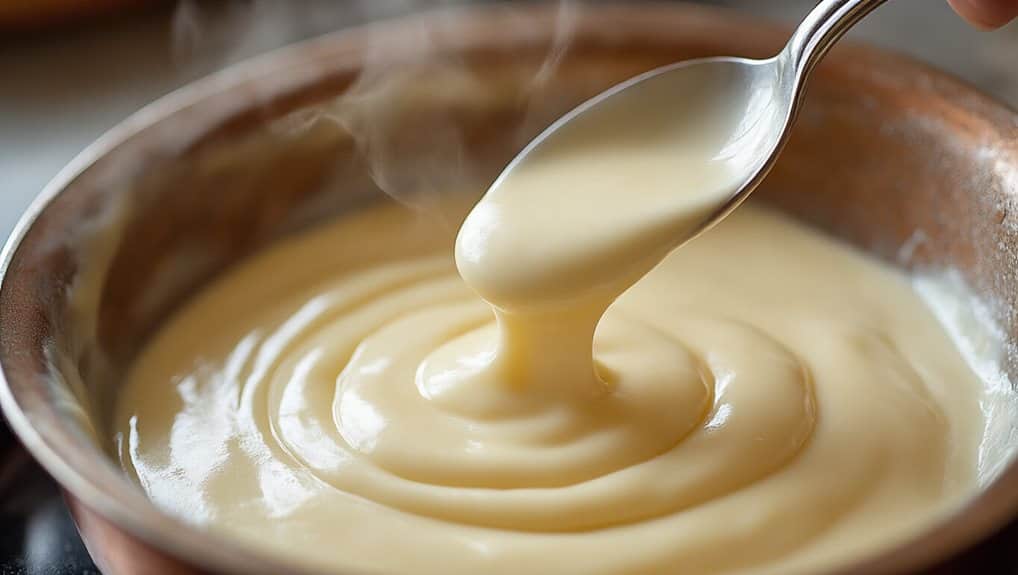
You’ll start by making a roux that’s just thick enough, using equal parts butter and flour and cooking it on low heat until it forms a smooth paste.
Then whisk hot milk into the roux slowly, keeping the mixture below 150°F so the starches fully activate without forming grains.
Finally, add the grated cheese gradually off the heat, stirring constantly to keep the emulsion stable and the sauce creamy. Just like the two-hour rule for fresh-cut watermelon, don’t leave your finished cheese sauce sitting out too long before serving or chilling.
Perfectly Thickened Roux
How can a roux stay smooth long enough to keep a cheese sauce from turning grainy?
First, melt butter or bacon grease over medium heat, then whisk in equal‑weight flour until you have a paste‑like, wet‑sand texture. Cook briefly without browning, keeping the mixture constantly whisked.
Add warm milk gradually, whisking continuously, and simmer 4‑6 minutes until the sauce coats a spoon and thickens evenly. This fully gelatinized roux creates a stable base that prevents graininess.
Low‑Heat Cheese Incorporation
A smooth roux gives you a solid foundation, but the real trick to a creamy cheese sauce lies in how you bring the cheese into the mix. Heat the milk to 165‑170 °F, dissolve sodium citrate, then turn off the burner. Add cheese handfuls gradually, whisking continuously.
If clumps appear, keep the flame low, stir vigorously, and let residual heat finish the melt.
Add Cheese Without Overheating – Step‑by‑Step Method
Ever wondered why a cheese sauce turns grainy the moment you crank up the heat? First, pull the béchamel off the burner and let it settle.
Grate cheese finely, then add a small handful, stirring until fully melted before the next portion.
Keep the pan at a gentle simmer, never a boil, and consider a dab of mustard to stabilize the emulsion.
This step‑by‑step method prevents overheating and keeps the sauce silky.
Rescue a Grainy Cheese Sauce – Quick Fixes You Can Try Now
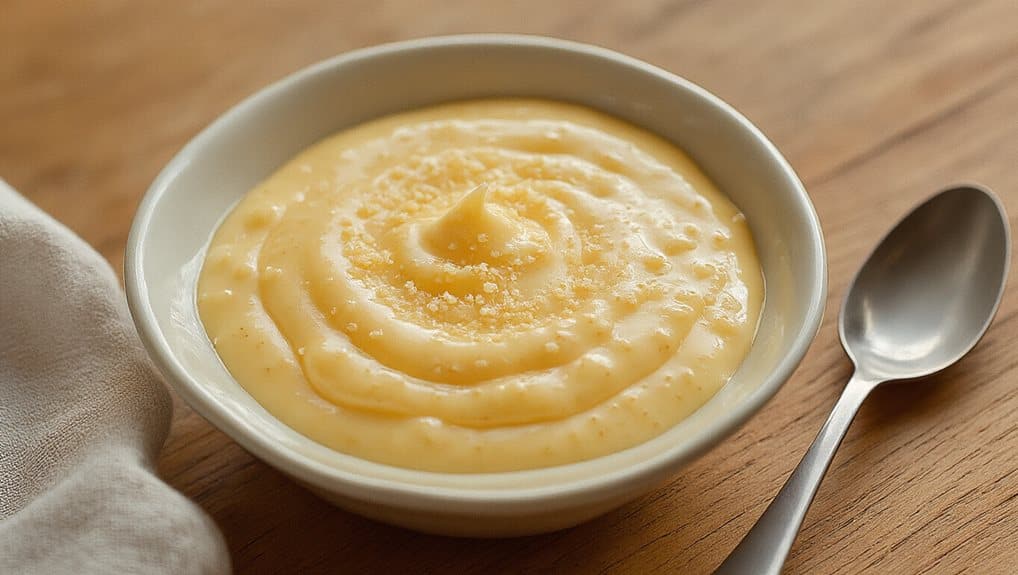
If your sauce has turned grainy, you can blend it quickly to break up the clumps and restore a smooth texture. Adding a splash of lemon juice or a teaspoon of mustard will introduce an acidic emulsifier that helps the cheese proteins re‑combine. Then, re‑heat the sauce gently over low heat while stirring in a bit more cheese to finish the rescue.
Blend Overheated Sauce
When a cheese sauce turns grainy, the quickest rescue is to blend the overheated mixture while it cools.
Pour the sauce into a tall container, let it drop a few degrees, then use an immersion blender on low speed.
The rapid agitation breaks apart protein clumps and re‑emulsifies fats, restoring a smooth texture without further heating.
This method works best after you’ve already cooled the sauce to room temperature.
Add Acidic Emulsifier Quickly
Why let a grainy cheese sauce ruin your dish? Quickly add an acidic emulsifier off the heat. Cool the sauce first, then stir in a tablespoon of lemon juice, white wine, or lime juice with a pinch of baking soda. Whisk vigorously; the acid unwinds clumped proteins and sodium citrate keeps cheese from seizing. Use just enough acid to smooth the texture without over‑acidifying.
Re‑Heat Slowly With Extra Cheese
After you’ve rescued a grainy sauce with an acidic emulsifier, the next step is to bring it back to a smooth, creamy state by reheating it slowly and adding extra cheese. Keep the heat below 150°F for cheddar, stir constantly, and add 1–2 Tbsp finely grated cheese per cup. Whisk after each addition, use young cheese for better melt, and monitor temperature with a thermometer to stay under critical thresholds.
Reheat Leftover Grainy Cheese Sauce the Right Way
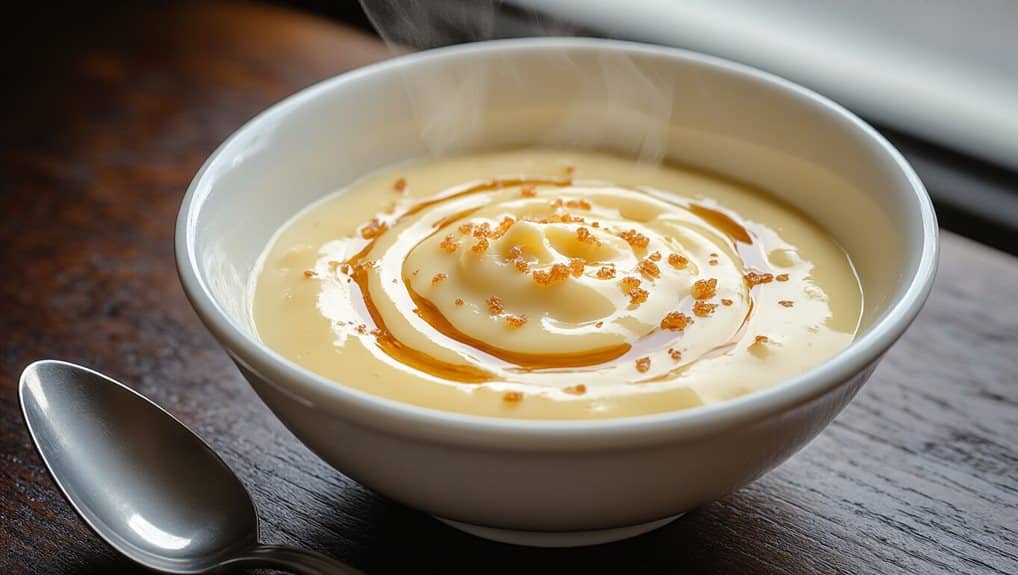
Ever wonder how to bring a grainy cheese sauce back to its silky self? Use a double boiler or the lowest stovetop setting, stirring constantly.
If it’s very thick, whisk a cornstarch slurry before reheating.
Add fresh shredded cheese off heat in small batches, stirring until each portion melts.
Keep temperature low, move slowly, and the sauce will recombine smoothly.
Choose the Best Cheese for a Creamy, Stable Sauce
Which cheese you pick determines whether your sauce stays silky or turns grainy. Choose mozzarella for mild, creamy melt that blends easily, especially with Parmesan or Ricotta for balance. Use Parmesan for sharp depth and thick, smooth texture. Gruyère and Fontina melt velvety, adding nutty richness without overpowering. Pair Gorgonzola sparingly with milder cheeses for tangy complexity while maintaining stability.
Top 5 Mistakes That Make Sauce Gritty (and How to Avoid Them)
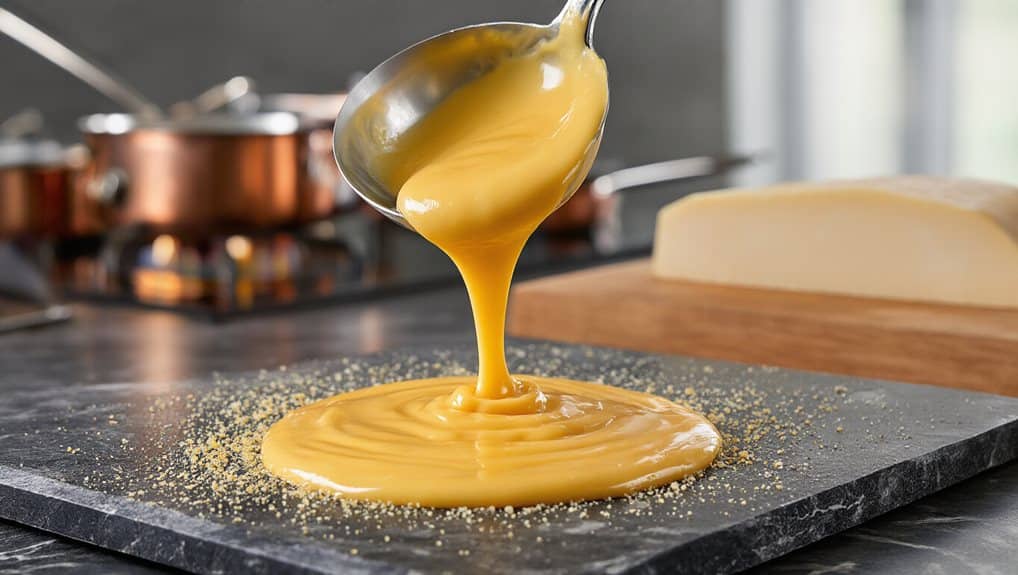
A grainy cheese sauce usually means something went wrong during cooking, and pinpointing the common mistakes helps you keep it smooth.
Overheat the sauce or simmer it past cheese‑specific limits; use fresh‑grated cheese instead of pre‑shredded with avoid anti‑caking agents.
Add cheese gradually while stirring, and keep the cheese‑to‑milk ratio balanced.
Reheat only at low temperature, or add cheese after removing heat.
Wrapping Up
By controlling temperature, choosing the right cheese, and using a proper roux, you can keep your cheese sauce smooth and prevent graininess. Heat it gently, avoid over‑cooking, and add liquid gradually to maintain emulsion. If a sauce does turn gritty, a quick rescue—like whisking in a splash of milk or a touch of cream—often restores creaminess. Remember, the key is gentle heat, quality cheese, and a stable base; follow these steps and your sauce will stay velvety every time.


