
While baking soda doesn't technically spoil, it does lose its effectiveness over time. An unopened box can last up to 3 years, but once opened, you'll want to use it within 6 months for best results. Testing your baking soda's freshness is simple: just mix a spoonful with some vinegar or lemon juice. If it fizzes vigorously, it's still good to use; if there's little to no reaction, it's time for a replacement. Proper storage in an airtight container in a cool, dry place helps maintain its potency longer, and even expired baking soda can still be useful for cleaning tasks and other household purposes. Understanding the full scope of baking soda's capabilities will help you make the most of this versatile ingredient.
Quick Guide
- Baking soda doesn't spoil but loses effectiveness over time, with unopened boxes lasting up to 3 years and opened ones 6 months.
- Test baking soda freshness by mixing a spoonful with vinegar – immediate fizzing indicates it's still good to use.
- Proper storage in an airtight container away from moisture and heat helps maintain baking soda's potency longer.
- Expired baking soda shows no visible changes but produces flat, dense baked goods due to reduced leavening power.
- Old baking soda remains useful for cleaning, deodorizing, and other household tasks even after losing its baking effectiveness.
Understanding Baking Soda's Shelf Life
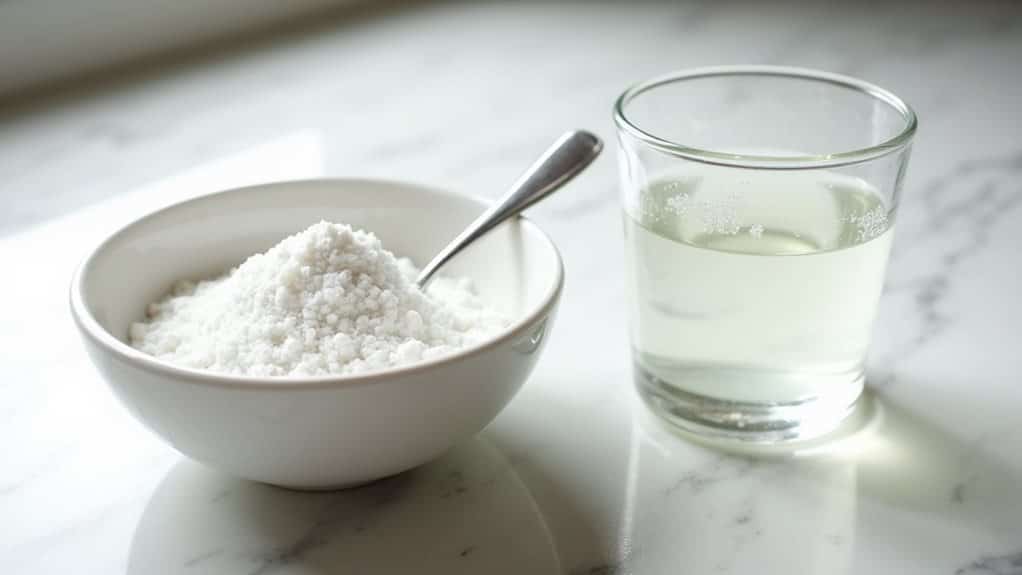
The shelf life of baking soda isn't as straightforward as you might think.
While unopened boxes can last up to three years when stored properly, your baking soda's freshness timeline changes once you break that seal. After opening, you'll want to use it within six months for the best results. This is because baking soda loses its effectiveness through moisture absorption over time, which is similar to how proper storage can extend the freshness of other food items like rice. Remember that proper storage in a cool, dry place is essential for maintaining its potency.
Signs of Expired Baking Soda
Knowing your baking soda's shelf life is only half the battle – you'll also need to spot when it's past its prime.
While you won't see visible changes like mold or discoloration, expired baking soda shows its age through poor performance. Your baked goods may turn out flat and dense, and you'll notice less bubbling when mixed with acidic ingredients. Proper storage techniques can help maintain its effectiveness for a longer period.
Storage issues, especially moisture exposure, can speed up this decline. You can determine if your baking soda is still effective by adding a spoonful to some vinegar and watching for vigorous fizzing.
Testing Your Baking Soda
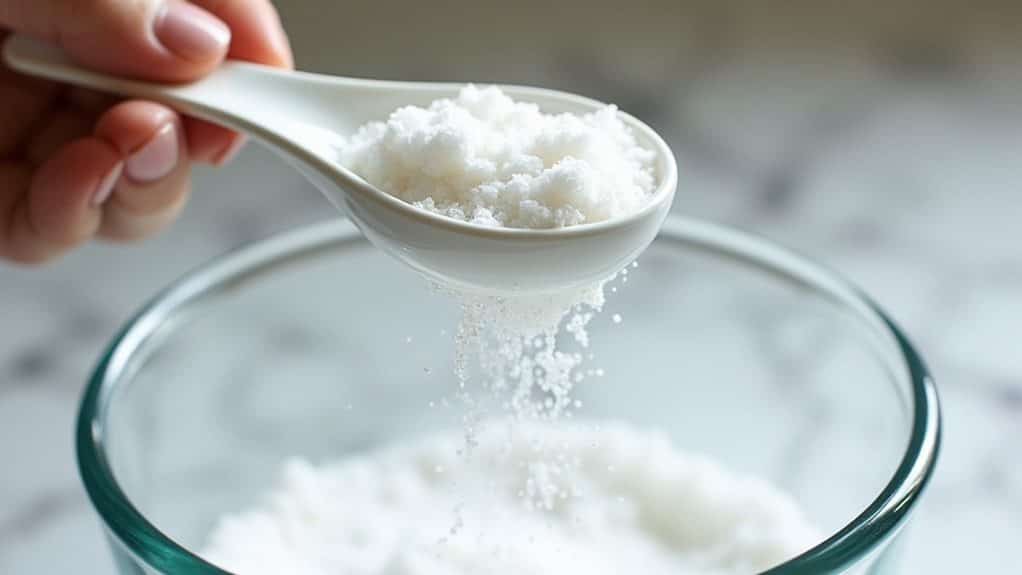
You'll be glad to know that testing your baking soda's freshness is a quick and simple process using common household items.
While properly stored baking soda can last up to 2-3 years in its original container, it's still important to verify its effectiveness. Proper storage plays a crucial role in prolonging the shelf life of baking soda.
To perform the test, just mix a spoonful of baking soda with a splash of vinegar or lemon juice in a bowl, and watch for an immediate fizzing reaction.
If you don't see a strong, vigorous fizz, your baking soda has lost its potency and won't give you the leavening power you need for baking.
Simple Vinegar Test Method
Testing your baking soda's freshness comes down to a simple vinegar test that takes just minutes to perform.
Place half a teaspoon of baking soda in a bowl and add a splash of vinegar. If it's still fresh, you'll see immediate fizzing and bubbling as carbon dioxide is released.
For an even more noticeable reaction, try using warm or hot water with the mixture. While baking soda generally has an indefinite shelf life, it's still important to check its potency periodically.
When Baking Soda Fails
Eventually, even the most reliable kitchen staples can lose their effectiveness, and baking soda is no exception.
You'll notice its decline when your baked goods come out flat or dense, especially in recipes that need significant rise.
If you've stored your baking soda for more than six months, or it's been exposed to moisture or extreme temperatures, it's likely lost its potency. A simple vinegar and water test can verify if your baking soda is still active.
Proper Storage Methods
Baking soda's longevity depends heavily on proper storage methods.
You'll want to keep it in an airtight container in a cool, dry place, away from moisture-prone areas like the stove or sink.
While the original packaging works if it's still sealed, transfer opened boxes to a container with a tight lid.
Don't store it in the fridge unless you're using it specifically for odor absorption. Proper storage methods can significantly extend shelf life and preserve its effectiveness over time.
When to Replace It
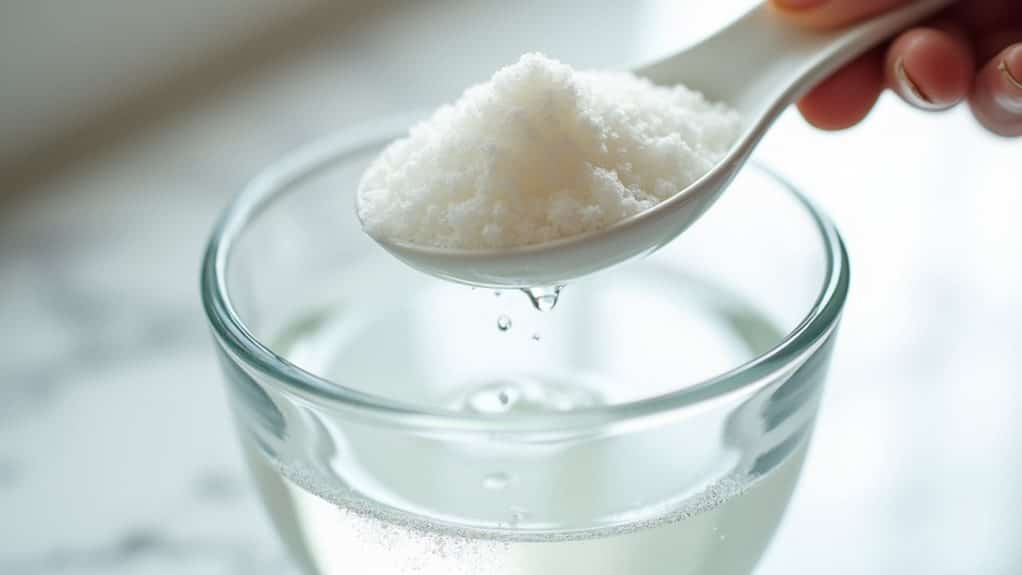
Knowing when to replace your baking soda is essential for successful baking.
You'll need to replace opened baking soda after six months, while unopened containers should be used within their best-by date, typically two years. If your baked goods turn out flat or dense, it's time for fresh baking soda. Test its potency by mixing a teaspoon with vinegar—if there's no strong fizz, replace it. Additionally, proper storage can help maintain the freshness and effectiveness of your baking soda for longer.
Uses for Old Baking Soda
Old baking soda still has plenty of useful uses beyond its primary leavening purpose.
You can use it for cleaning tasks like scrubbing dishes and removing stains, or add it to your garden soil to adjust pH levels.
It's also effective for personal care, working as a natural deodorant or tooth cleanser.
In the kitchen, you'll find it helpful for marinating meats or making cookies that don't need much rise.
Common Baking Mishaps
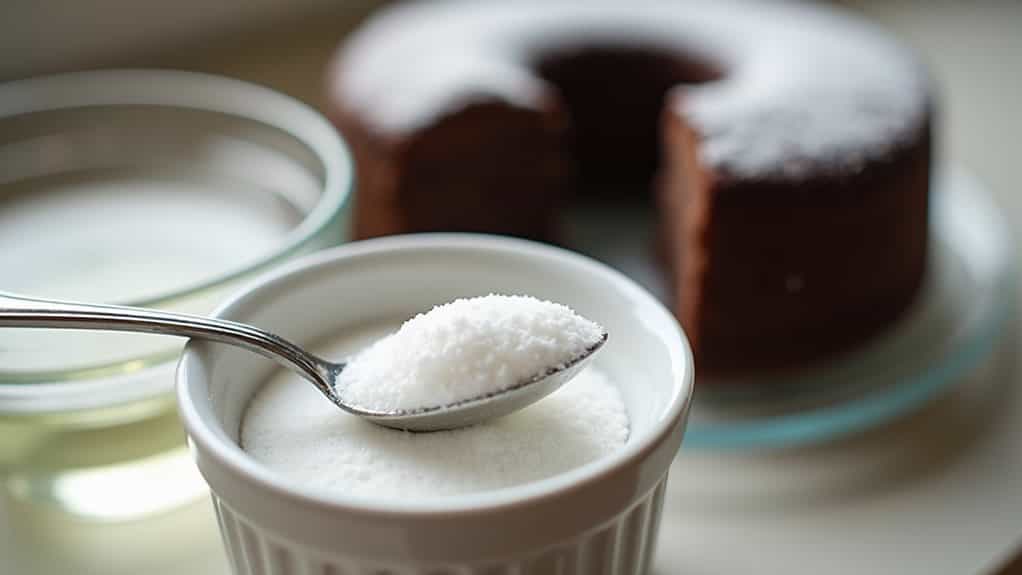
While old baking soda can still serve many purposes around the house, using it in your baking can lead to disappointing results.
You'll notice your muffins, cakes, and quick breads turning out flat and dense, as the weakened leavening agent won't properly react with acidic ingredients.
Your baked goods might also taste less flavorful, and you'll see visible differences in texture compared to items made with fresh baking soda.
Wrapping Up
Now that you understand how to test, store, and monitor your baking soda, you'll never have to wonder about its freshness again. Remember to check it every three months, store it properly in an airtight container, and test it before important baking projects. While expired baking soda won't harm you, it can ruin your baked goods. When in doubt, it's better to replace it than risk a baking disaster.


