
Water doesn’t go bad, but its quality can decline over time. Unopened bottled water stays safe indefinitely if stored properly, though manufacturers suggest using it within two years for best taste. Heat, sunlight, and poor storage can affect flavor and encourage chemical leaching from plastic. Once opened, drink it within a few days if refrigerated. Keep bottles sealed, cool, and away from odors. Strange smells or tastes? That’s a sign something’s off—find out what those changes could mean.
Quick Guide
- Unopened bottled water doesn’t spoil and remains safe indefinitely if sealed, though taste may degrade over time.
- Best-by dates on bottles reflect quality, not safety, and stem from a 1987 New Jersey law for stock rotation.
- Plastic bottles can leach chemicals like BPA and phthalates, especially when exposed to heat or sunlight.
- Once opened, consume water within 3–6 days refrigerated or 1–2 days at room temperature to prevent bacterial growth.
- For long-term storage, use food-grade containers, add preservatives, and rotate every six months for best quality.
Does Bottled Water Actually Expire?
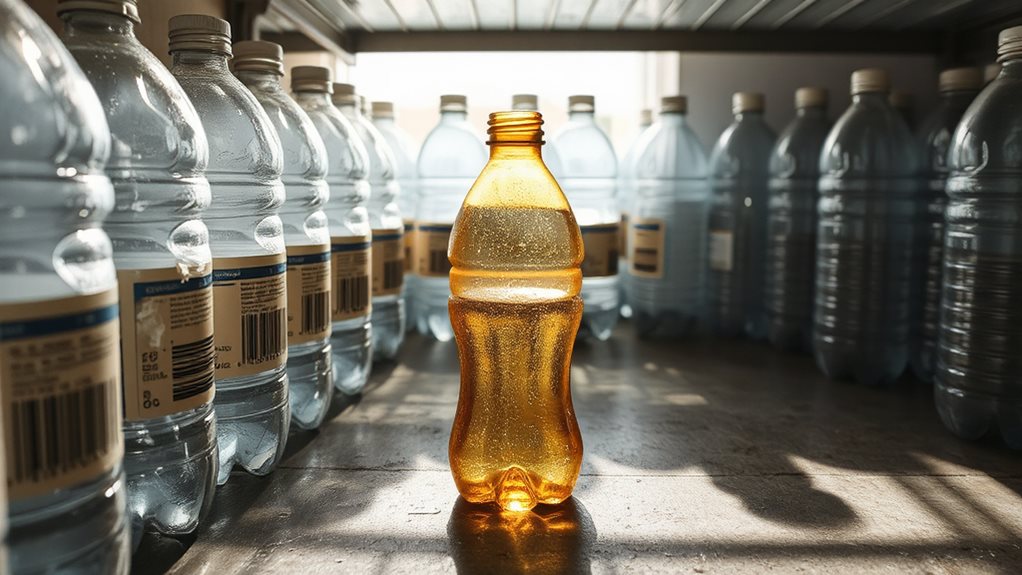
While you might see a date printed on your bottle of water, that doesn’t mean it’ll suddenly go bad after that point.
The FDA says properly sealed bottled water doesn’t expire and remains safe indefinitely.
Those dates are about taste, not safety.
Store it in a cool, dark place and keep the cap tightly sealed to limit oxygen exposure and preserve the best flavor over time, following the same proper storage conditions used to keep cooking oils fresh.
Over time, plastic can leach into the water or absorb odors, affecting flavor—but it won’t make you sick if stored correctly.
This practice began because of a 1987 New Jersey law requiring expiration dates on food products, which led bottlers to stamp all bottles with a two-year date for logistical ease.
Why Does Bottled Water Have an Expiration Date?
Even though your bottled water won’t suddenly spoil, you’ll still find a date stamped on the label—and that’s not by accident.
That date helps you enjoy the best taste and freshness, not safety. It’s a guide for quality, not expiration.
Manufacturers use it for stock rotation, and while the FDA says water has no shelf life, the date stays for consistency and consumer confidence. Like other stable pantry staples, best by dates are often about quality rather than safety.
This practice originated from a now-repealed regulation in New Jersey that mandated expiration dates, leading manufacturers nationwide to adopt two-year expiration dates for uniformity.
How Long Can Unopened Bottled Water Last?
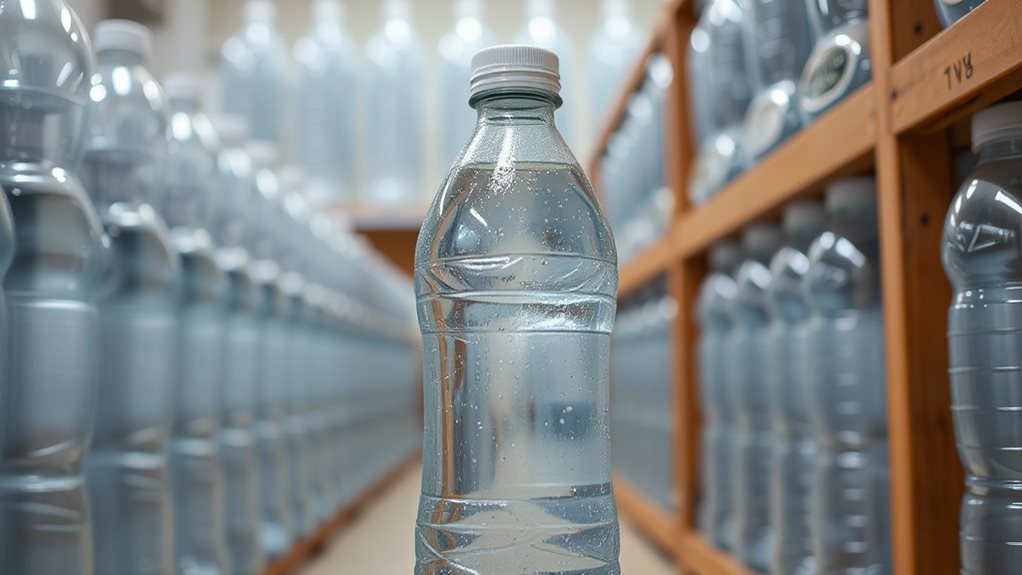
You can keep unopened bottled water for years if you store it properly, since it doesn’t spoil like food with proteins or sugars.
Keep it in a cool, dark place away from heat and sunlight to avoid plastic breakdown and strange tastes.
Like honey’s low moisture content, keeping water sealed and away from moisture helps prevent contamination and off odors.
Even after the “best-by” date, your water’s likely still safe—just give it a quick smell and taste to be sure.
Shelf Life Basics
Unopened bottled water can last for years—often far longer than you might expect.
Though manufacturers suggest two years for best taste, the FDA says it’s safe indefinitely when stored properly. Expiration dates reflect packaging quality, not water spoilage.
Plastic can degrade over time, especially in heat, affecting flavor.
But as long as the seal holds, your water stays safe to drink.
Storage Conditions Matter
While the FDA says unopened bottled water doesn’t expire, how and where you store it plays a big role in how long it stays fresh and tastes good.
Keep it in a cool, dark place away from sunlight and heat, which can break down plastic and affect flavor.
Avoid garages, cars, or near chemicals—these can lead to leaching.
Store it dry and odor-free for best quality.
Beyond Best-By Dates
Though it might seem surprising, bottled water doesn’t actually expire as long as it stays sealed and is stored properly.
You can safely drink it well past the best-by date, which only marks peak taste.
Over time, plastic may leach chemicals, especially in heat, so it’s smart to consume still water within two years and sparkling within one for best quality.
How Long Is Open Bottled Water Safe to Drink?
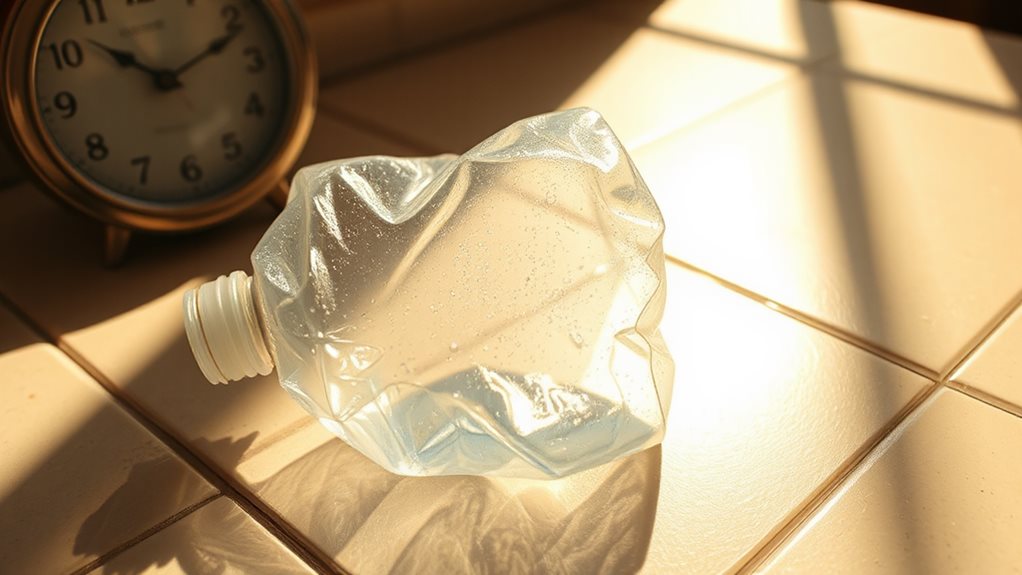
Once you open a bottle of water, it’s best to drink it within 3 to 6 days if you keep it in the fridge.
Leaving it out at room temperature or sipping directly from the bottle can speed up bacteria growth, making it less safe over time.
To stay fresh and clean, store it tightly closed, handle it with clean hands, and watch for any odd tastes or smells.
As with food items like coffee creamer, keeping it at or below 40°F helps slow spoilage and maintain safety.
Opened Water Safety
You’ve cracked the seal—now what? Keep opened bottled water safe by refrigerating it and sealing it tightly. Use it within 3–5 days for best quality.
At room temperature, drink it within 1–2 days to avoid bacteria. Always check for odd smells, tastes, or cloudiness—when in doubt, toss it out.
Storage And Freshness
Most of the time, keeping bottled water fresh after opening comes down to smart storage. Keep it sealed, store at cool room temperatures, and avoid sunlight to prevent algae or chemical leaching.
Use clean, food-grade containers and keep water away from household chemicals. Label with the date, and finish within a few days for best quality.
Do Plastic Bottles Release Harmful Chemicals?
While you might think bottled water is a simple, safe choice, the plastic containers it comes in can release a range of harmful chemicals over time.
You’re exposed to phthalates, BPA, and heavy metals like antimony, which leach into the water.
Recycled bottles and heat worsen leaching.
Even reusable bottles shed microplastics and additives, especially when washed in dishwashers.
Like soy sauce, exposure to air and light accelerates oxidation effects that can alter taste and aroma over time.
How Heat and Sunlight Affect Bottled Water?
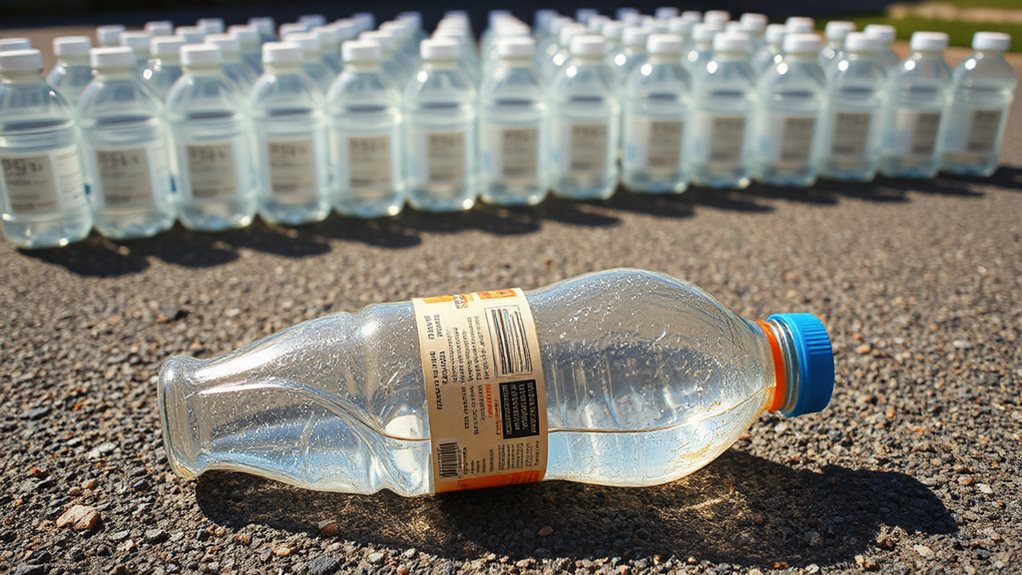
Plastic bottles can break down in more ways than one, especially when exposed to heat and sunlight.
You risk chemical leaching, as high temperatures loosen plastic bonds, releasing substances like antimony and BPA into your water.
Sunlight also sheds microplastics, while warm, open bottles breed bacteria.
To stay safe, avoid leaving bottles in hot cars or direct sun, and don’t reuse single-use containers.
Strange Taste or Smell? Here’s What It Means
If your bottled water suddenly starts tasting or smelling off, it’s time to pay attention—what you’re sensing could point to something more than just a bad batch.
A rotten egg smell likely means hydrogen sulfide, while a bleach scent suggests chlorine. Metallic tastes may come from pipe corrosion, and musty flavors can signal biofilm growth. A salty or gasoline-like odor warrants immediate concern—stop drinking and test the source.
How to Store Water Long-Term?
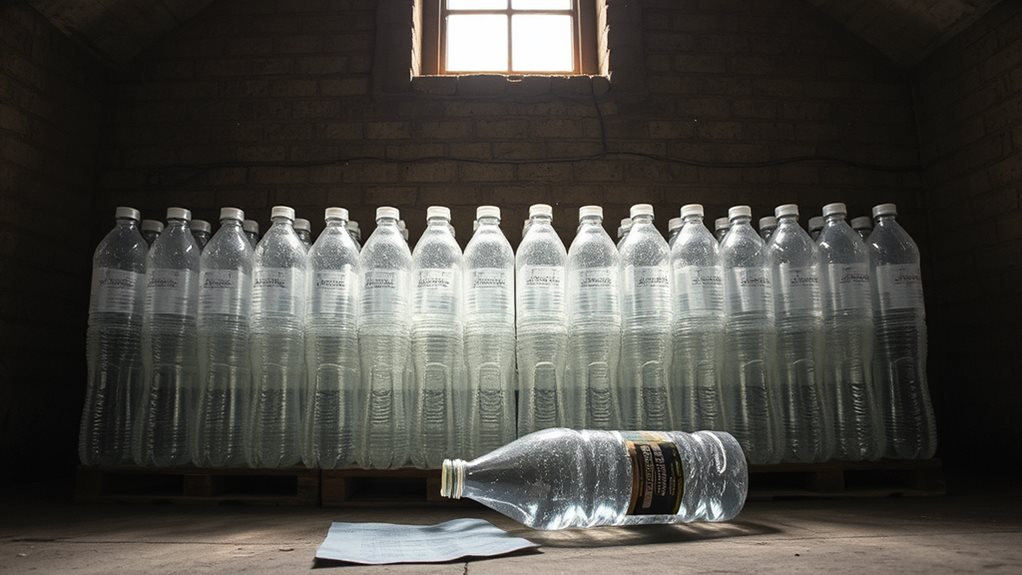
To keep your water safe and fresh for the long haul, start by choosing the right container—your best bet is food-grade plastic like high-density polyethylene (HDPE), which resists cracks and won’t leach harmful chemicals.
Fill it with clean water, add a few drops of bleach or a preserver, seal tightly, and store in a cool, dark place.
Label the date, check every six months, and rotate it out within a year for best quality.
Wrapping Up
You might wonder if water goes bad—it doesn’t, but its quality can change. Unopened bottled water lasts years if stored properly, though plastic can leach chemicals over time, especially in heat. Once opened, drink it within a few days to avoid contamination. Strange tastes or smells usually mean it’s absorbed odors or minerals from the container. Keep water cool, dark, and sealed to maintain freshness.


