
When you store fish sauce correctly, it can last for years. Unopened bottles can stay good for 2-3 years in a cool, dark place, and keeping it in the fridge can make it last 3-4 years after opening. Just make sure to watch out for any signs of spoilage, like strange smells, a weird taste, or changes in color. By storing it properly in a cool, dark spot, you can keep its flavor and smell intact. If you're not sure, trust your senses and throw it away if it seems off. Now that you have the basics, you're on your way to uncovering the mysteries of fish sauce – and there's more to learn.
TLDR
- Fish sauce can go bad if not stored correctly. Signs it has spoiled include a sour smell, a bad taste, cloudiness, or sediment.
- Keep fish sauce in a cool, dark place away from sunlight to make it last 2-3 years if unopened.
- After opening, refrigeration can help it last 3-4 years while keeping its flavor and smell.
- Always check the expiration date on the label. If the sauce looks, smells, or tastes strange, throw it out to stay safe.
- Frozen fish sauce can stay good indefinitely, but its taste and texture may change. It's best to use it within 6 months to a year for the best flavor.
Understanding Fish Sauce Shelf Life
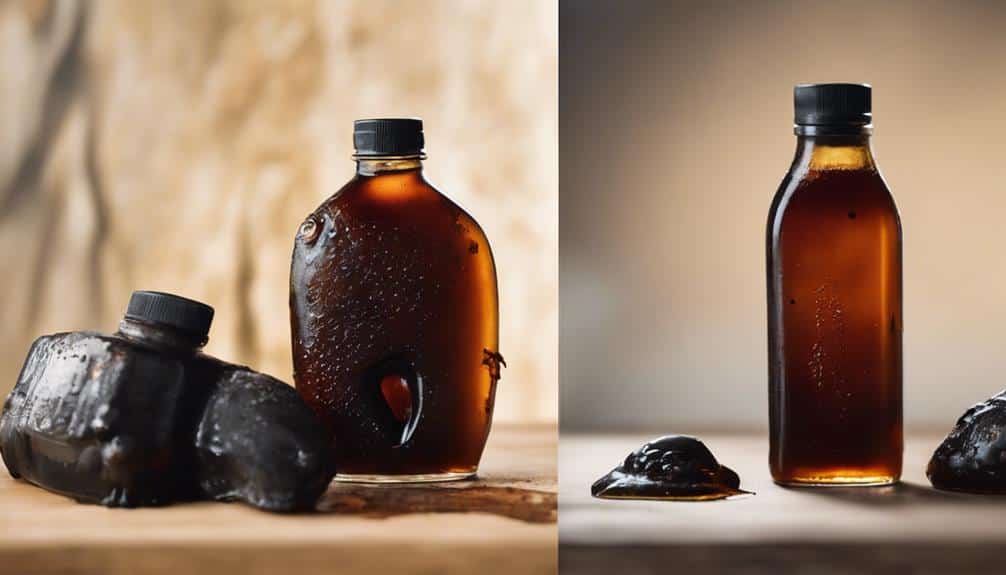
When it comes to fish sauce, how long it lasts depends on how you store it. Good fish sauce, made through careful fermentation, can stay fresh for a long time if stored right. Unopened bottles can last 2-3 years if kept in a cool, dark spot. Keeping fish sauce in the fridge can make it last even longer, up to 3-4 years after opening. Make sure to check for signs like color changes, a weird smell, or a bad taste to avoid spoiled sauce. By storing fish sauce correctly, you can savor its delicious flavor and smell for a longer time.
Proper Storage and Handling
When it comes to storing fish sauce, keep it in a cool, dark place away from sunlight. This helps to keep it fresh for longer and stops it from going bad too soon.
Cooler Storage
To make your fish sauce last longer and taste better, keep it in the fridge. Cold temperatures slow down the process that can cause the sauce to change. Storing it in the refrigerator helps prevent it from going bad, getting weird flavors, or turning strange textures. It also stops crystals from forming in the sauce. Putting fish sauce in the fridge after opening means you can use it for a longer time. This way, the sauce keeps its fresh taste and quality, and you avoid any harmful bacteria.
Air-Tight Containers
To keep your fish sauce fresh and tasty, use containers that seal tightly to block out air. This stops the sauce from going bad. Seal it up well to keep smells and moisture out and hold onto that original fish sauce flavor. Pick a container with a good lid to keep it clean and safe. Use the right size bottle to fit the amount of sauce you have to keep it fresh for longer.
Signs of Fish Sauce Spoilage
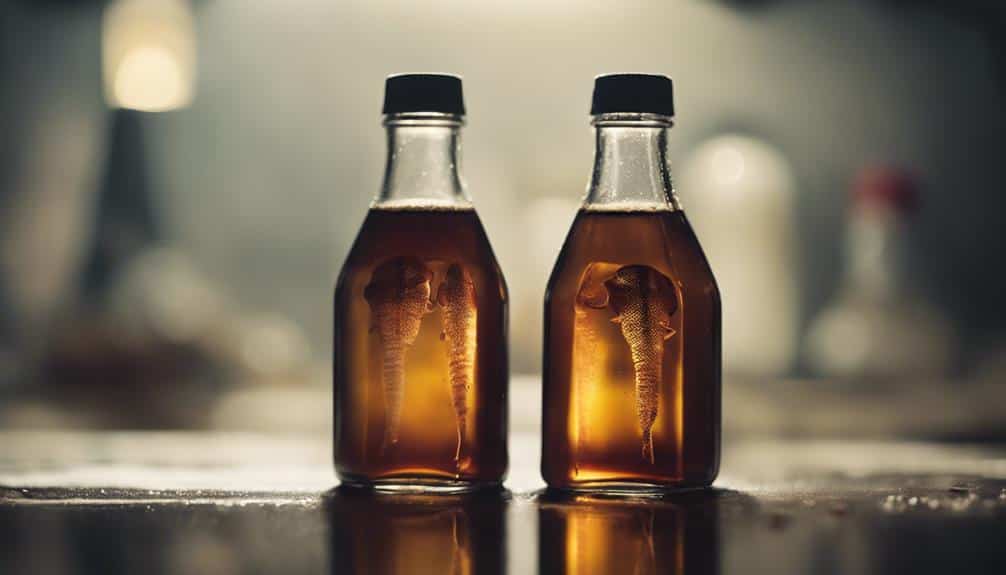
If your fish sauce smells sour or rancid when you open it, it's gone bad. A bad taste is another sign it's spoiled. Look for cloudiness or sediment, which could mean mold. If you see any of these signs, throw it out. Spoiled fish sauce can grow harmful bacteria, so act fast if you suspect it's gone bad.
Fish Sauce Expiration and Safety
Fish sauce can last a long time if stored correctly. Check the expiration date on the label to make sure it's still good. Keep it in a cool, dry place away from sunlight. If it looks, smells, or tastes weird, better not use it. Trust your gut. Follow these tips to enjoy your fish sauce safely for a long time.
Freezing and Long-Term Preservation
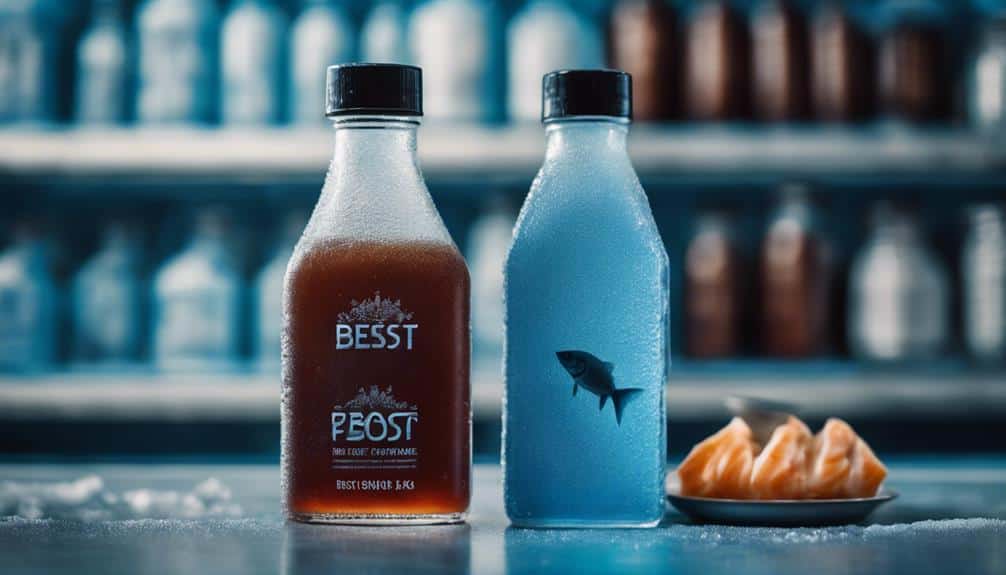
When you freeze fish sauce, it might raise questions about how it holds up. You might wonder if it's still good after being frozen. Let's dive into what happens when fish sauce is frozen, like the ice crystals that form and how it affects the quality of the sauce.
Frozen Fish Sauce Shelf Life
If you freeze your fish sauce, it will last a long time, but freezing might slightly change its taste and texture. If you seal it well, you can keep it in the freezer forever. Freezing is a great way to keep your fish sauce fresh, especially if you have extra or want to save it for later. When you want to use it, just thaw it in the fridge to keep the flavor right. For the best taste, try to use frozen fish sauce within 6 months to a year. These steps will help you enjoy your fish sauce for a while without losing its quality and taste.
Fish Sauce Ice Crystals
When you freeze fish sauce, you might see ice crystals form, which can change how it feels and tastes. This happens naturally because of what fish sauce is made of. When you thaw it, the ice crystals might go away, but the fish sauce might not be as good as before. Freezing can make fish sauce look and feel different, which may not be what you want. To avoid ice crystals, it's better to keep fish sauce in the fridge instead of the freezer. This way, you can keep the original texture and taste of the fish sauce. Freezing is an option, but think about how it might affect the quality of the fish sauce.
Common Fish Sauce Problems
You might have some problems with your fish sauce, like fermentation restarting, quality getting worse, or spoilage happening. You can tell if your fish sauce is going bad by watching out for a few common signs. If you leave your fish sauce out for too long, it might start fermenting again, which can make it go bad. To stop this from happening, keep your fish sauce in the fridge after opening. Look for signs like salt crystals on top, strange smells, or weird tastes. If you see any of these things, it's best to throw out the sauce. Storing your fish sauce in a cool, dark place and refrigerating it after opening can help avoid these problems.
Fish Sauce in Different Cuisines
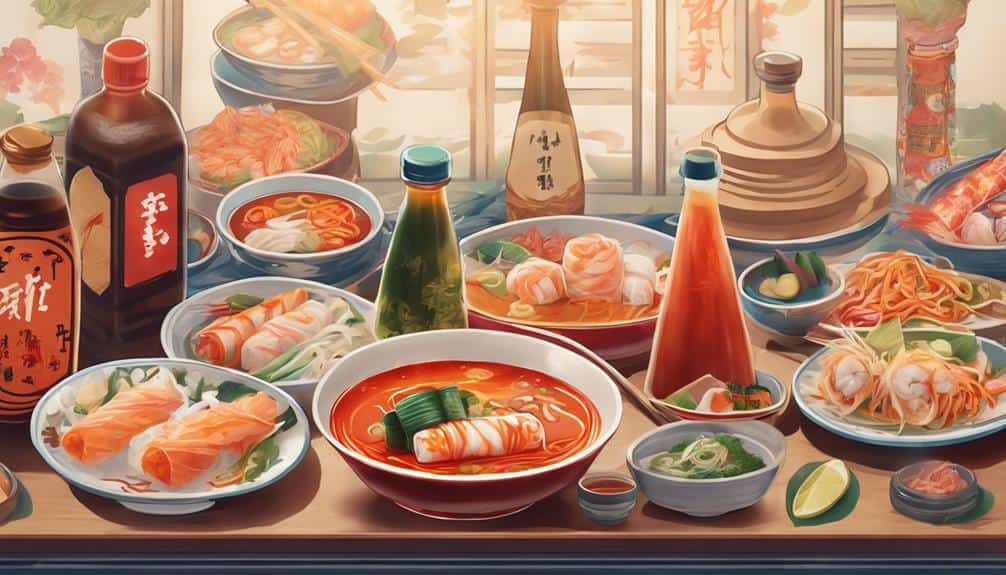
Fish sauce is a common condiment in Southeast Asian cooking, where it gives a rich, savory taste to many dishes. When trying Vietnamese, Thai, and Filipino foods, you'll find that fish sauce is a must-have ingredient. In Vietnamese dishes like pho or bun cha, and in Thai dishes like pad thai or green curry, fish sauce is essential. Filipino cuisine also uses fish sauce, called patis, in dishes like adobo and sinigang. Learning about how fish sauce is used in these cuisines helps you understand the interesting flavors it brings to the meals.
Comparing Fish Sauce to Others
When you compare fish sauce to ketchup or mustard, fish sauce stands out for lasting a long time without spoiling. You might be curious why fish sauce stays good for so long on your shelf. The trick is its stability, which lets it stay fine at room temperature without needing to be kept in the fridge. However, it's important to know that different brands can vary in how stable they are. By storing it properly and putting it in the fridge after opening, you can keep the flavor and quality of the sauce. Knowing how stable your fish sauce is can help you decide if you want to refrigerate it based on what you prefer. With its impressive shelf life, fish sauce is a condiment you can rely on.
Reading Fish Sauce Labels
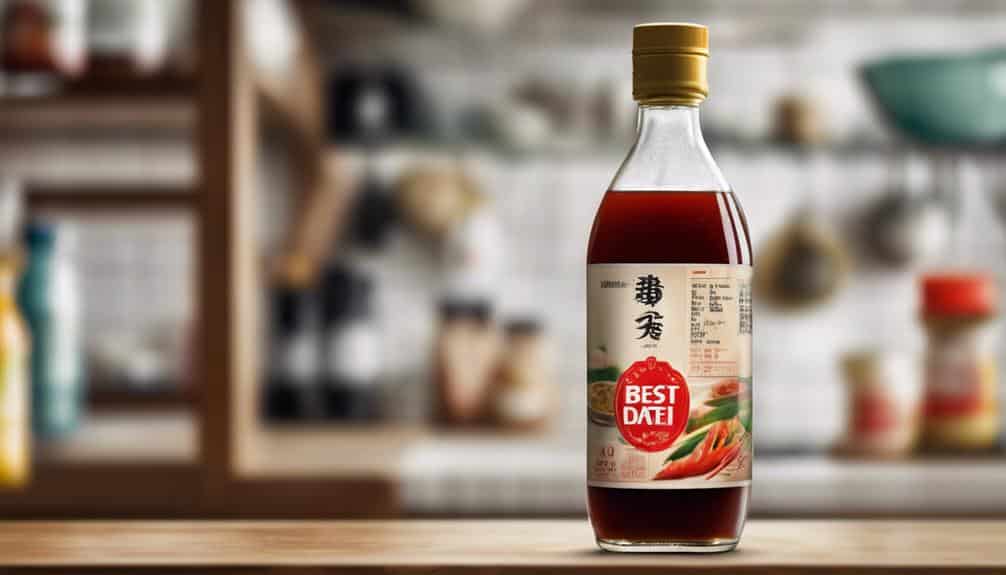
When picking fish sauce, first check the label for the expiration date to ensure it's fresh. Look for any discoloration or cloudiness, which could mean it's gone bad. Make sure the bottle is sealed tightly to keep it from spoiling. Check the ingredients list to avoid additives or preservatives you don't want. Follow the storage instructions on the label to keep your fish sauce fresh longer. By doing these simple steps, you can be sure you have good quality fish sauce that will last.
Conclusion
Now you know a lot about fish sauce – how long it lasts, how to store it correctly, and how to tell if it's gone bad. You've learned about keeping it in the freezer for later use and how it's used in different types of cooking. Remember to check the labels and pick a good quality fish sauce to make your meals even more delicious.


